
Latest
Pakistan expands research to develop high-yield hybrid wheat
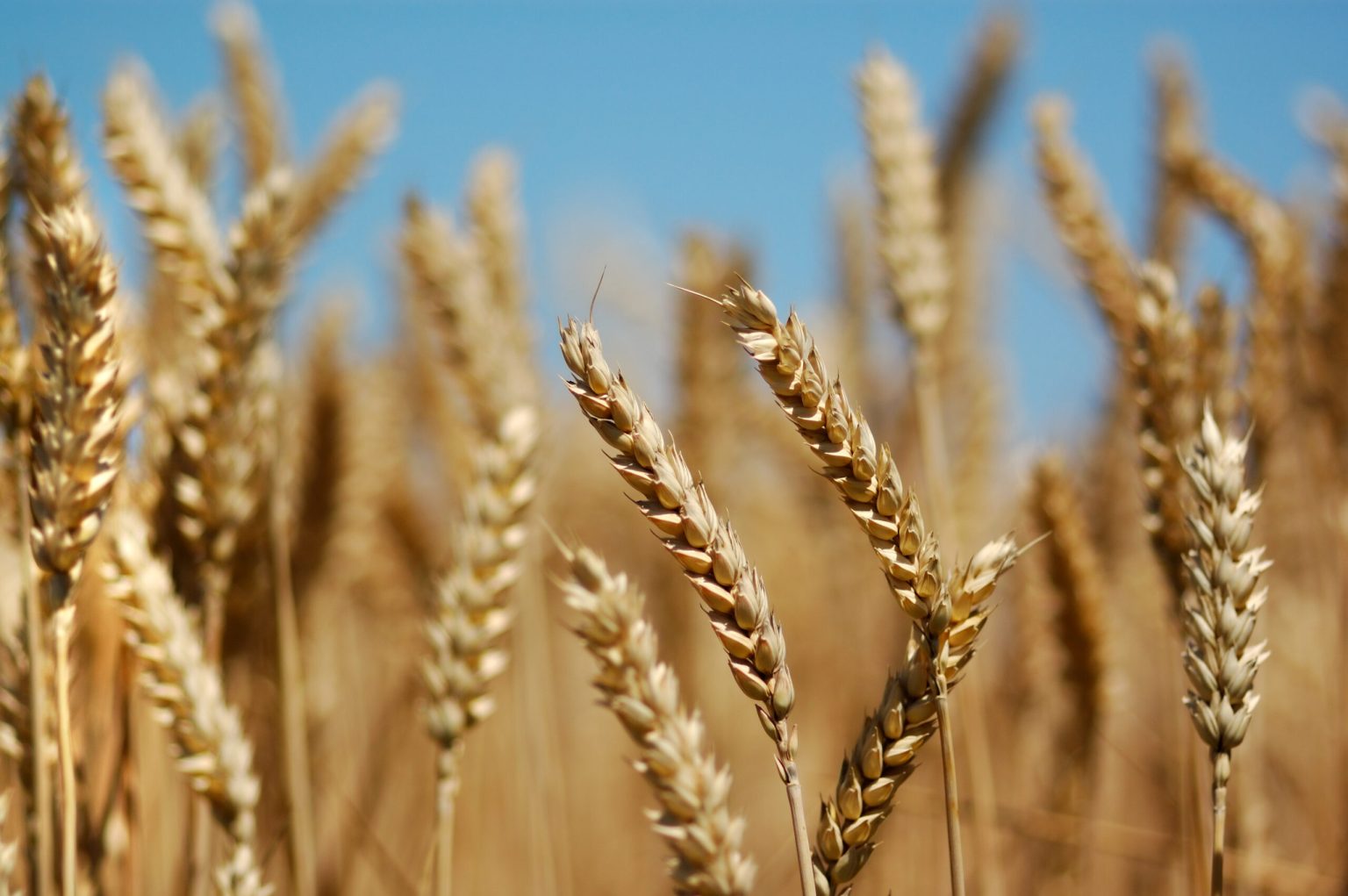
ISLAMABAD: Pakistan has expanded its research efforts to develop high-yield hybrid wheat, joining the global race to produce more productive and climate-resilient crop varieties, as leading agricultural institutions in Punjab collaborate under a unified programme with technical support from Australian experts.
“Hybrid wheat research is a joint project launched by various research institutes in Punjab to develop a variety with sufficient yield potential to meet the growing future demand for this cereal,” said Dr Javed Ahmad, Chief Scientist at the Wheat Research Institute (WRI), Faisalabad.
Talking to Wealth Pakistan, he said the initiative is being led by experts from Muhammad Nawaz Sharif University of Agriculture, Multan, with active participation from the University of Agriculture, Faisalabad, and WRI Faisalabad.
“This joint effort reflects a significant step toward strengthening Pakistan’s food security and adapting its agriculture sector to the challenges of climate change,” he added.
Dr Ahmad noted that Pakistani scientists can develop both genetically modified (GMO) and hybrid crop varieties, but environmental laws do not permit this in the country.
Under the joint project, MNS University of Agriculture, Multan, is leading research on hybrid wheat using Australian Blue Aleurone (BLA) technology, which involves introducing a gene to control specific breeding traits.
He said Prof Richard Trethowan of the University of Sydney has been providing technical support. Trethowan has developed a breakthrough non-GMO hybrid wheat technology after three decades of research. Often described as a “biologically perfect system,” it prevents self-pollination, enabling cross-breeding for yields exceeding 20%, along with improved disease resistance and tolerance to heat and drought.
Despite ongoing research in multiple institutions, Dr Ahmad acknowledged that Pakistan has yet to develop a commercially viable hybrid wheat variety.
He said hybrid wheat, once developed, would be less susceptible to diseases and pests and deliver higher yields. He added that China leads global research in hybrid wheat, followed by the United States, Australia and France.
“These countries have made significant progress, but no country has yet introduced hybrid wheat for large-scale commercial cultivation,” he said.
However, he stressed that commercialisation is only a matter of time. “Several global companies are preparing to introduce hybrid wheat commercially, which could set a precedent for others,” he said.
Dr Ahmad also highlighted the need for continuous innovation in crop development. “Any variety cultivated over a long period becomes more vulnerable to diseases and pests, while its yield potential declines, making the development of new varieties essential,” he said. He added that agriculture remains a constant contest between scientists and evolving pests that adapt to overcome new crop varieties.
Biotechnologists have welcomed Pakistani scientists’ efforts and expressed optimism that hybrid wheat could prove transformative for the country’s agriculture sector.
“The development of crops like rice, cotton and maize has already contributed significantly to the prosperity of Pakistan’s farming community,” said Dr Kausar Abdullah Malik, a leading biotechnologist and former interim federal minister for food security and national research.
Talking to Wealth Pakistan, he said researchers worldwide are at various stages of hybrid wheat development, but they have not yet succeeded in launching a commercial variety.
He said that whenever hybrid wheat is commercialised, it would mark a breakthrough comparable to the introduction of short-statured, high-yielding crop varieties in the 1960s.
Latest
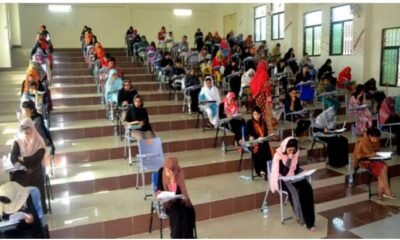
Health minister orders probe into Sindh MDCAT complaints
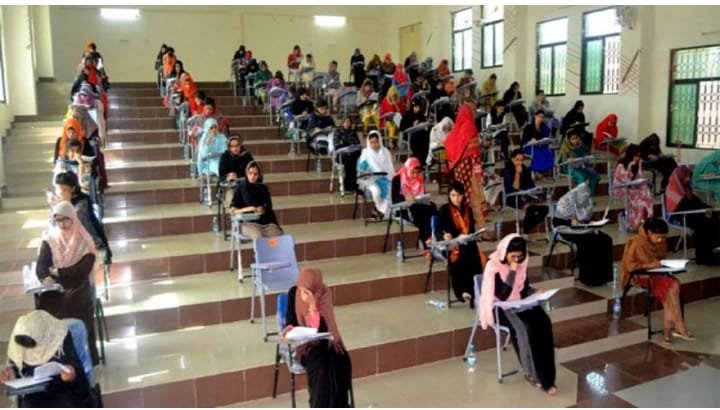
ISLAMABAD:Federal Minister for Health Syed Mustafa Kamal has taken notice of alleged irregularities in the Medical and Dental College Admission Test (MDCAT) held in Sindh and ordered a comprehensive inquiry into the complaints.
According to official sources, the minister directed a five-member committee, including the President of the Pakistan Medical and Dental Council (PMDC), to conduct a transparent investigation and submit its report within 15 days.
The committee has been tasked with examining the complaints and reviewing the circumstances surrounding the alleged irregularities during the examination, sources said.
The minister directed the committee to complete the inquiry within the stipulated timeframe and present its findings for further action in accordance with the applicable rules.
Latest
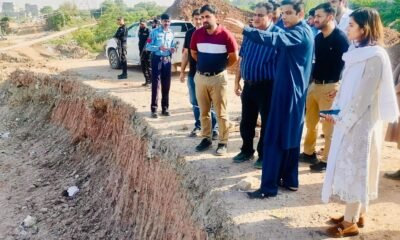
CDA chairman directs faster work on Expressway East project
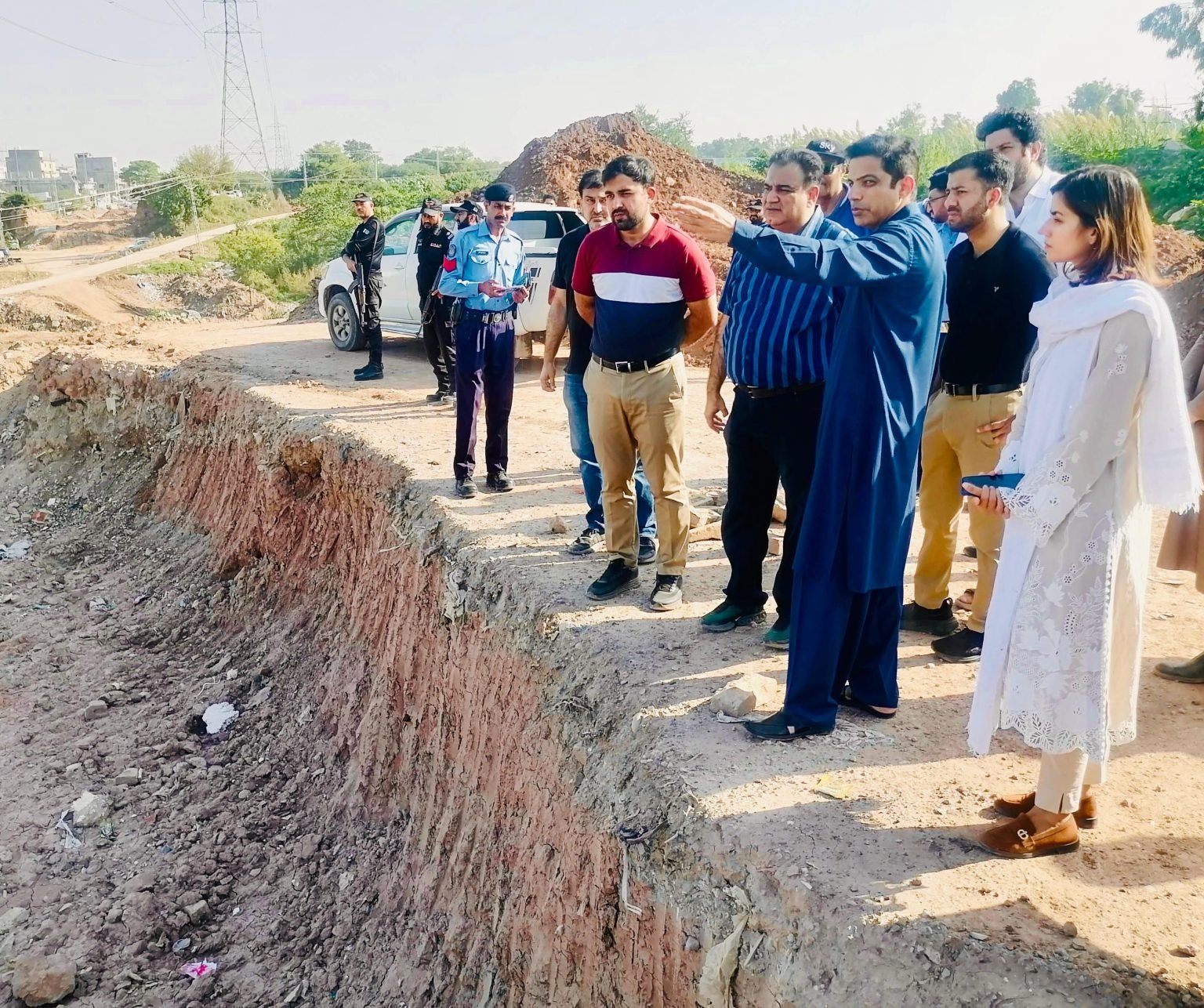
ISLAMABAD: Capital Development Authority (CDA) Chairman Sohail Ashraf has directed officials to accelerate work on the Islamabad Expressway Service Road East project while ensuring strict compliance with approved designs and construction standards.
During an inspection of the project on Saturday, the chairman reviewed progress and was briefed on ongoing works and the next phase of development.
He directed the project director and relevant departments to maintain continuous field monitoring and quality control and ensure effective traffic management to minimise inconvenience to commuters.
The chairman described the Expressway East project as an important infrastructure scheme for improving connectivity, traffic flow and road capacity in the capital. He also stressed that construction quality should not be compromised in efforts to meet the project timeline.
During the visit, he was also briefed on an ongoing enforcement operation against unauthorised and illegal construction along the Islamabad Expressway.
According to the CDA, 377 buildings have been identified for action, including 281 commercial structures. So far, 58 buildings have been sealed, while 124 buildings between Sohan and Khanna bridges have been marked for demolition.
The authority said Rs234.685 million had been recovered through land-use conversion, unauthorised construction and de-sealing charges. Around Rs3 billion remained recoverable under applicable regulations in connection with land-use conversion and violations relating to unauthorised construction, setbacks, floor area ratio and covered area.
The chairman directed the relevant departments to ensure strict enforcement of building-control and land-use regulations, particularly mandatory fire-safety requirements.
The enforcement operation is being conducted by the CDA’s Building Control Section and Enforcement Directorate in coordination with the district administration and Islamabad police.
Latest
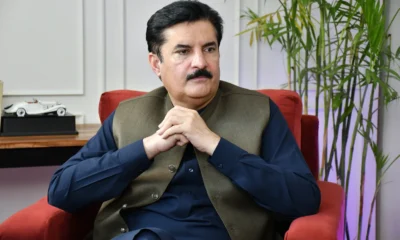
GB ministers call on Governor Kundi
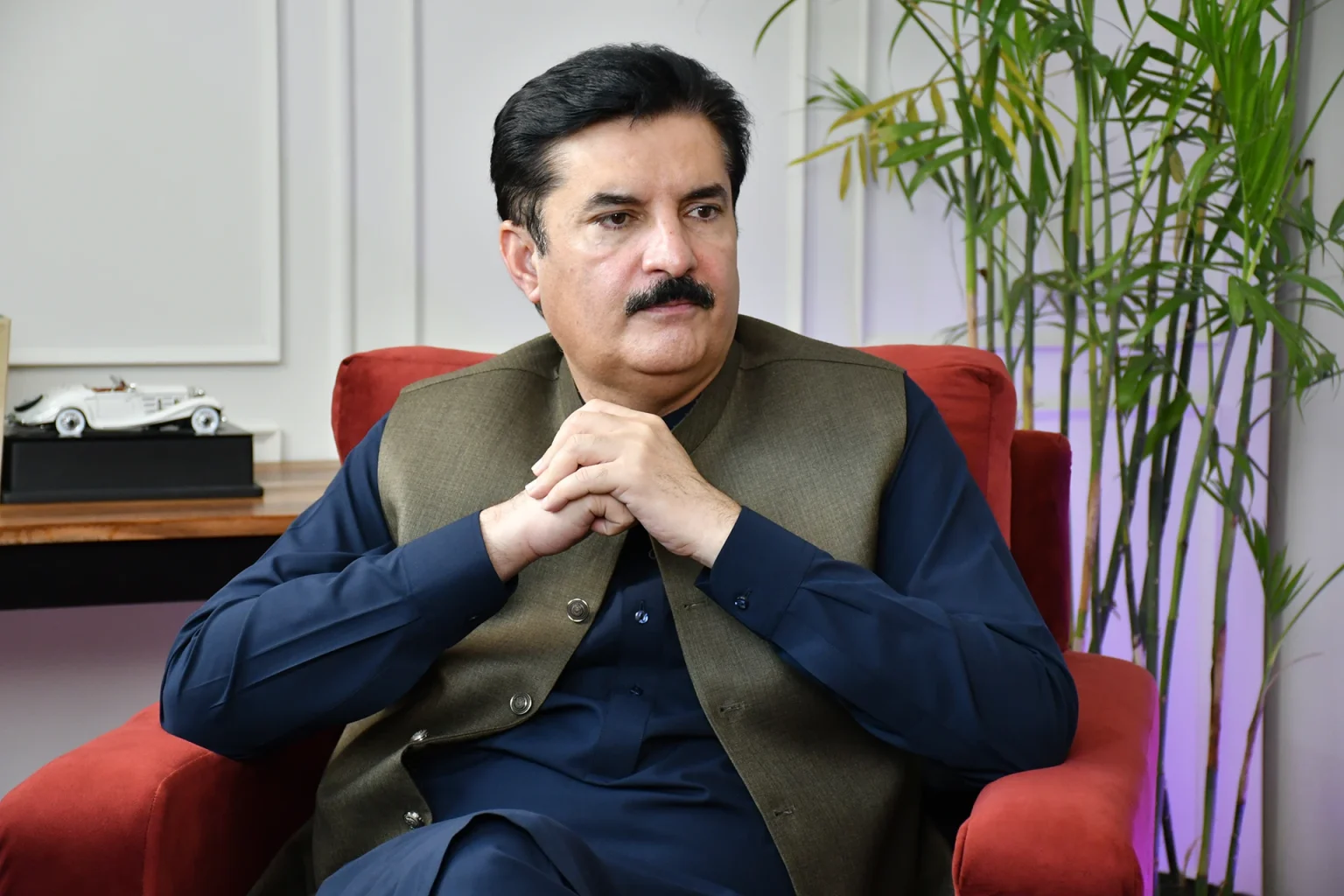
PESHAWAR: Governor Khyber Pakhtunkhwa Faisal Karim Kundi on Saturday held a meeting with a delegation of Gilgit-Baltistan ministers at the Governor’s House here and discussed the country’s political situation and other matters of mutual interest.
The delegation comprised Gilgit-Baltistan Minister for Local Government and Rural Development Zulfiqar Ali Murad, Minister for Health Iqbal Hassan and Minister for Education Aman Ali Ameer.
During the meeting, the two sides exchanged views on the prevailing political situation in the country and various issues of mutual interest. They also discussed the recent elections in Gilgit-Baltistan and the Pakistan Peoples Party’s success in the polls.
The visiting ministers were taken on a tour of the Governor’s House. Governor Kundi presented them with traditional shawls and caps.

Health minister orders probe into Sindh MDCAT complaints
ISLAMABAD:Federal Minister for Health Syed Mustafa Kamal has taken notice of alleged irregularities in the Medical and Dental College Admission...

CDA chairman directs faster work on Expressway East project
ISLAMABAD: Capital Development Authority (CDA) Chairman Sohail Ashraf has directed officials to accelerate work on the Islamabad Expressway Service Road...

GB ministers call on Governor Kundi
PESHAWAR: Governor Khyber Pakhtunkhwa Faisal Karim Kundi on Saturday held a meeting with a delegation of Gilgit-Baltistan ministers at the...

DPM/FM, British HC discuss Pak-UK bilateral ties
ISLAMABAD, Oct 03 (APP):British High Commissioner Jane Marriott, on Saturday, called on Deputy Prime Minister/Foreign Minister Senator Mohammad Ishaq Dar...

Govt, PPP, opposition hold first round of talks at Parliament House
ISLAMABAD: The first round of talks between the government, Pakistan Peoples Party (PPP) and opposition concluded at Parliament House here...

CCC reiterates resolve to maintain internal stability, uphold rule of law
RAWALPINDI: The Corps Commanders’ Conference (CCC) while underscoring the importance of internal stability, on Friday resolved that any attempt to...

IMCG F-6/2 Holds Investiture Ceremony of Newly Elected College Council
ISLAMABAD: The investiture ceremony of the newly elected College Council 2026-27 was held at Islamabad Model College for Girls (IMCG),...

PM orders expansion of Aasaan Khidmat Centers across country
ISLAMABAD: Prime Minister Shehbaz Sharif on Thursday reiterating commitment to providing citizens with fast, transparent, and high-quality services at their...

Armed Forces fully prepared to protect Pakistan’s geographical borders, national security: DG ISPR
RAWALPINDI: Director General (DG) Inter-Services Public Relations (ISPR), Lt Gen Ahmed Sharif Chaudhry, while reiterating that there would be no...

PM reviews progress on Fuel Relief Scheme
ISLAMABAD: Prime Minister Muhammad Shehbaz Sharif Thursday chaired a review meeting regarding the progress of the Prime Minister’s Fuel Relief...
-
 Health6 months ago
Punjab Govt Opens Admissions for Lady Health Visitor Course
-
 Articles12 months ago
A Glimpse At Maj. Gen. Irfan Malik’s 02 Year Tenure
-

 Latest1 year ago
Punjab CM Maryam refuses to apologise, hits out at critics again
-

 Latest10 months ago
Digital Pakistan and the Imperative of Implementing the National AI Policy
-
 Latest5 months ago
Syed Zeeshan Ali Naqvi Elected as President CJP, Raja Gohar Iqbal as Secretary General
-

 Articles10 months ago
Golden Hour: A Dialogue of Light, River and Silence
-
 Latest5 months ago
HEC launches fully online, paperless degree attestation system
-
 Latest5 months ago
OPF Chairman Qamar Raza Naqvi Receives Warm Welcome from Pakistani Community in US