
Exclusive
Qudrat Ullah Shahab’s Remarkable Spiritual Experience: A Dream Message Linked to Hazrat Fatima Zahra (SA)
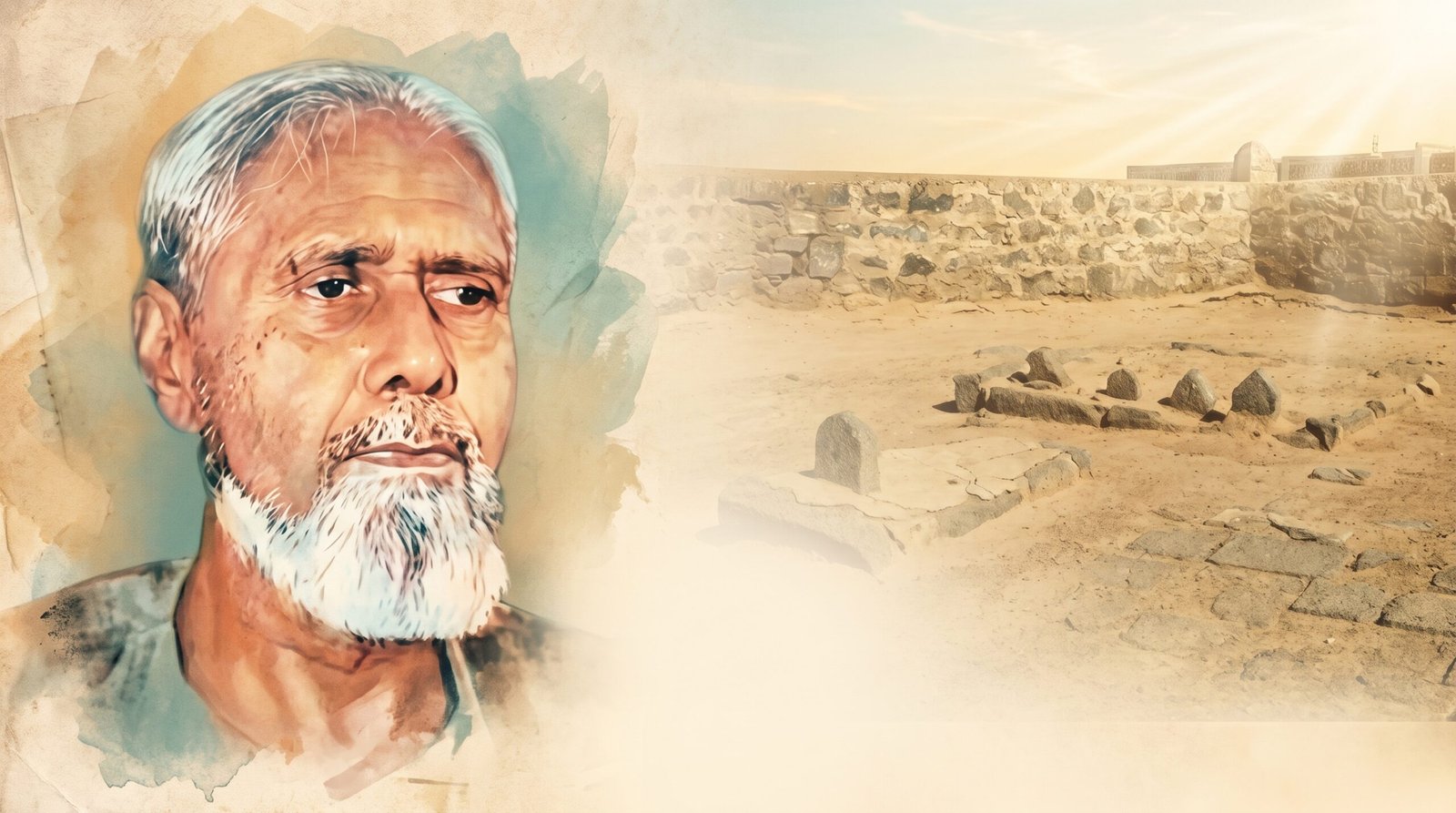
A Letter from Germany Recounted a Dream About Shahab’s Private Prayer and Its Acceptance — An Extraordinary Account in Shahab Nama
ISLAMABAD (Special Report): Renowned Pakistani writer and former senior civil servant Qudrat Ullah Shahab documented a remarkable personal spiritual experience in his celebrated autobiography Shahab Nama, describing his devotion to Hazrat Fatima Zahra (SA), his desire to benefit from Silsila-e-Owaisiya, and an unexpected message conveyed through a dream.
According to Shahab, the incident began when he attended Friday prayers at an old mosque in a remote village. During the sermon, the local preacher narrated a story about the profound love and respect between Prophet Muhammad (PBUH) and his beloved daughter, Hazrat Fatima Zahra (SA).
Deeply moved by the account, Shahab offered voluntary prayers after the congregation and supplicated to Allah Almighty for guidance and the opportunity to benefit from Silsila-e-Owaisiya. He also prayed that, with Allah’s permission, Hazrat Fatima (SA) might present his request before her revered father, Prophet Muhammad (PBUH).
Shahab wrote that he kept the prayer entirely private and told no one about it.
Six to seven weeks later, he received a letter from his Muslim sister-in-law living in Germany. In the letter, she described a dream in which she saw Hazrat Fatima Zahra (SA).
According to the message she reported in her dream, Hazrat Fatima (SA) said:
“Tell your brother-in-law Qudrat Ullah Shahab that I have submitted his request to my exalted Father, who has very kindly accepted it.”
Shahab recalled that reading the letter filled him with overwhelming joy and astonishment. The thought that his name and request had been mentioned in such a blessed spiritual context deeply moved him.
Expressing his emotions, he wrote:
“Mujh Se Behtar Zikr Mera Hai Ke Us Mehfil Mein Hai!”
Shahab further noted that, for some time after the incident, he continued to see various elderly and spiritually distinguished figures in his dreams.
The episode offers a glimpse into Shahab’s personal spiritual reflections, his devotion to the family of Prophet Muhammad (PBUH), and his interest in Silsila-e-Owaisiya.
The account is presented in Shahab Nama as Shahab’s personal recollection, including the dream reported by his sister-in-law.
Source: Qudrat Ullah Shahab, Shahab Nama, page 1180.
Exclusive
12 Years of Spiritual Austerity in Fire! The Extraordinary Life of Hazrat Syed Shah Chan Chiragh Badshah (RA) and What British-Era Records Reveal
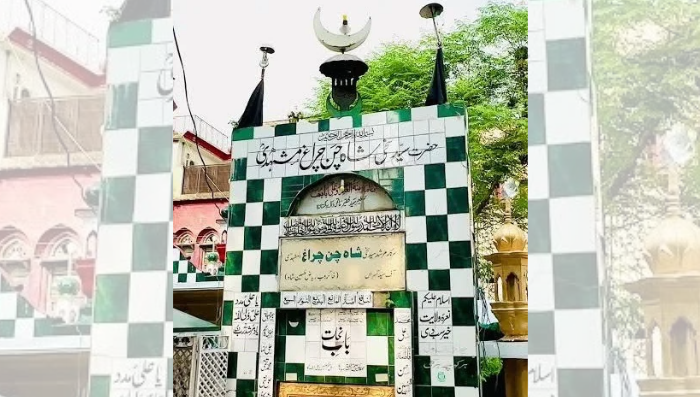
RAWALPINDI: Hazrat Syed Shah Chan Chiragh Badshah (RA), a prominent spiritual personality associated with Rawalpindi’s religious and cultural history, was originally named Shah Zaman. His life is linked to accounts of 12 years of spiritual austerity involving fire, extraordinary miracles, religious scholarship and devotion among followers belonging to different faiths. Historical records from the British period are also said to contain references to large gatherings at his annual Urs.
In an exclusive interview, Sajjadah Nashin of the shrine, Syed Ali Mehdi Kazmi, shared important details about the saint’s life, family background, ancestry, spiritual journey, miracles and historical association with the early settlement of Rawalpindi.
He said the saint’s original name was Shah Zaman, although he became popularly known as Chan Chiragh and Shah Chan Chiragh Badshah. According to the traditional interpretation, the moon in his title is associated with Maula Ghazi Abbas (AS), while the lamp represents Imam Hussain (AS), symbolising his devotion to the Ahl-e-Bait.
Family Background: A 900-Year-Old Centre in Chakwal
According to Kazmi, Hazrat Shah Chan Chiragh Badshah (RA)’s father was Syed Sakhi Shah Malook Sarkar and his grandfather was Shah Tajuddin. Their shrines are located in Syed Village, District Chakwal, which he described as an approximately 900-year-old historical centre of the Kazmi Sadat family.
His mother was Mai Bint Khatoon, whose shrine is also situated in the same village. She was the biological sister of Mai Bint Fatima, the mother of Bhari Sarkar.
Lineage Traced to Imam Musa al-Kazim (AS)
The Sajjadah Nashin said that Hazrat Shah Chan Chiragh Badshah (RA)’s lineage traces back to Imam Musa al-Kazim (AS) through 26 generations and to Prophet Muhammad (PBUH) through 34 generations. He described this genealogy as an important part of the family’s ancestral history.
A Remarkable Spiritual Journey from Syed Village to Muzaffarabad
Explaining the saint’s journey to Muzaffarabad, he said Hazrat Shah Chan Chiragh Badshah (RA) travelled to receive spiritual training from his maternal uncle, Syed Sakhi Shah Inayat Wali.
According to the family tradition, while travelling from Syed Village, the saint entered a body of water and miraculously emerged through the Neelum River in Muzaffarabad. He said the water at the associated location continues to remain in motion.
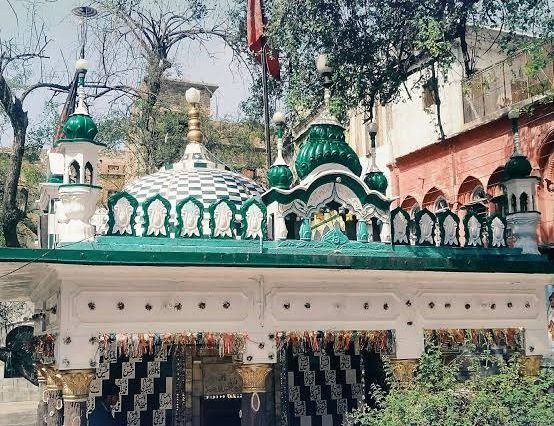
Arrival in Rawalpindi and 12 Years of Spiritual Austerity in Fire
Describing his arrival in Rawalpindi, the Sajjadah Nashin said the saint travelled on the instructions of his spiritual mentor, who had reportedly directed him to settle wherever he stumbled or was compelled to stop.
According to him, Hazrat Shah Chan Chiragh Badshah (RA) eventually stopped at the site of a traditional tandoor in Rawalpindi and began an extended period of spiritual austerity.
He said the saint spent approximately 12 years in spiritual practices involving fire, including more than three years wearing iron clothing in remembrance of the captives of Karbala.
Kazmi said that when the saint emerged from this period of austerity, neither his clothes nor his hair had been burnt. The incident is regarded by his devotees as one of the most remarkable miracles associated with his life.
Was Hazrat Shah Chan Chiragh Badshah (RA) Associated with the Founding of Rawalpindi?
Describing the early landscape of the area, the Sajjadah Nashin said the location where the shrine now stands was once a raised mound surrounded by berry trees.
Over time, people began settling around the site, and regular Thursday gatherings and religious fairs developed.
According to him, Hazrat Shah Chan Chiragh Badshah (RA) was among the founding spiritual figures associated with the early settlement that eventually expanded and became part of Rawalpindi.
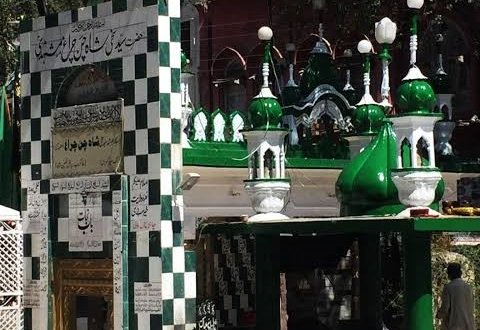
Imperial Gazetteer 1893-94: More Than 10,000 Devotees at the Annual Urs
One of the most significant aspects of the interview was the reference to the Imperial Gazetteer of India, 1893-94.
Kazmi said the historical publication mentions gatherings of more than 10,000 people during the monsoon Thursdays, particularly on the final Thursday associated with the annual Urs.
According to him, the British-era record included the gathering among Rawalpindi’s three major fairs.
He described this historical reference as an indication of the shrine’s longstanding popularity and its religious and cultural significance in the region. Verification of the original Gazetteer entry and relevant page, however, would be necessary to establish the precise historical reference.
Muslims, Hindus, Sikhs and Christians Among His Devotees
The Sajjadah Nashin further said that the saint enjoyed devotion among people from different religious communities, including Muslims, Hindus, Sikhs and Christians.
He added that several people associated with Bhabra Bazaar and Dharamshala also settled in the surrounding area because of their devotion to him.
According to him, the shrine historically served as a centre of spiritual devotion, respect and coexistence for people belonging to different faiths and communities.
An Unmarried Saint Whose Family Legacy Continues
Sharing further family details, he said Hazrat Shah Chan Chiragh Badshah (RA) never married and remained unmarried throughout his life. He was reportedly the only child of his parents.
The present custodial family, he explained, descends from the saint’s paternal uncle and continues to perform the responsibilities associated with the shrine’s custodianship.
Centuries-Old Relics Preserved by the Family
According to him, several personal belongings associated with Hazrat Shah Chan Chiragh Badshah (RA) remain preserved within the family.
These include utensils, footwear, a neck ornament, ceremonial objects, handwritten manuscripts and a seal. He described these possessions as important elements of the family’s religious and historical heritage.
Quranic Commentaries Reportedly Preserved in Mashhad
Discussing the saint’s intellectual and scholarly contributions, the Sajjadah Nashin said Hazrat Shah Chan Chiragh Badshah (RA) was also a learned religious scholar.
He claimed that handwritten Quranic commentaries attributed to the saint are preserved at the Kitab Khana Razaviyya in Mashhad, Iran.
He also referred to the renowned Punjabi Sufi poet Mian Muhammad Bakhsh, saying that Syed Sadr Chiragh Kazmi was mentioned among the poets of the Potohar region.
Stories of Miracles and a Distinctive Langar Tradition
Recounting miracles traditionally associated with the saint, Kazmi said that on one occasion a lion reportedly took away his ox, but he managed to recover it from the animal.
He also described a distinctive langar tradition in which different food items, including naan and rice, were reportedly served to visitors from a single vessel.
According to him, the saint’s spiritual practices involving fire remain among the most prominent accounts associated with his life.
Four-Day Annual Urs, Mehfil-e-Sama and Year-Round Mourning Observances
Describing the religious activities at the shrine, the Sajjadah Nashin said regular mourning gatherings are held every Thursday and Friday, while daily religious gatherings and mourning observances continue during Muharram, Safar and Rabi-ul-Awwal.
He said the annual four-day Urs includes ceremonial bathing, a Mehfil-e-Sama, mehndi, the lighting of lamps and the traditional Gharoli ritual.
According to him, these are not merely annual festivities but part of an ongoing religious and spiritual tradition maintained at the shrine.
Promoting the Teachings of Prophet Muhammad (PBUH) and the Ahl-e-Bait
Explaining the central mission associated with Hazrat Shah Chan Chiragh Badshah (RA), Syed Ali Mehdi Kazmi said his life was devoted to promoting the teachings of Prophet Muhammad (PBUH) and the Ahl-e-Bait, particularly the remembrance and mourning of Imam Hussain (AS).
He said the shrine continues to carry forward this religious tradition and that people visiting it become connected with the message of devotion to the Ahl-e-Bait and the remembrance of Imam Hussain (AS).
The accounts shared by the Sajjadah Nashin offer an insight into the spiritual traditions, family history and cultural heritage associated with Hazrat Syed Shah Chan Chiragh Badshah (RA). Further examination of original genealogical records, historical manuscripts and the relevant Imperial Gazetteer entries would help establish the documentary basis of these historical claims.
Exclusive
Heart Disease Emerging as a Major Health Threat in Pakistan; One in Three People Above 45 Faces Diabetes, Hypertension or Cardiac Risks: Dr. Nasir Ali Gardezi
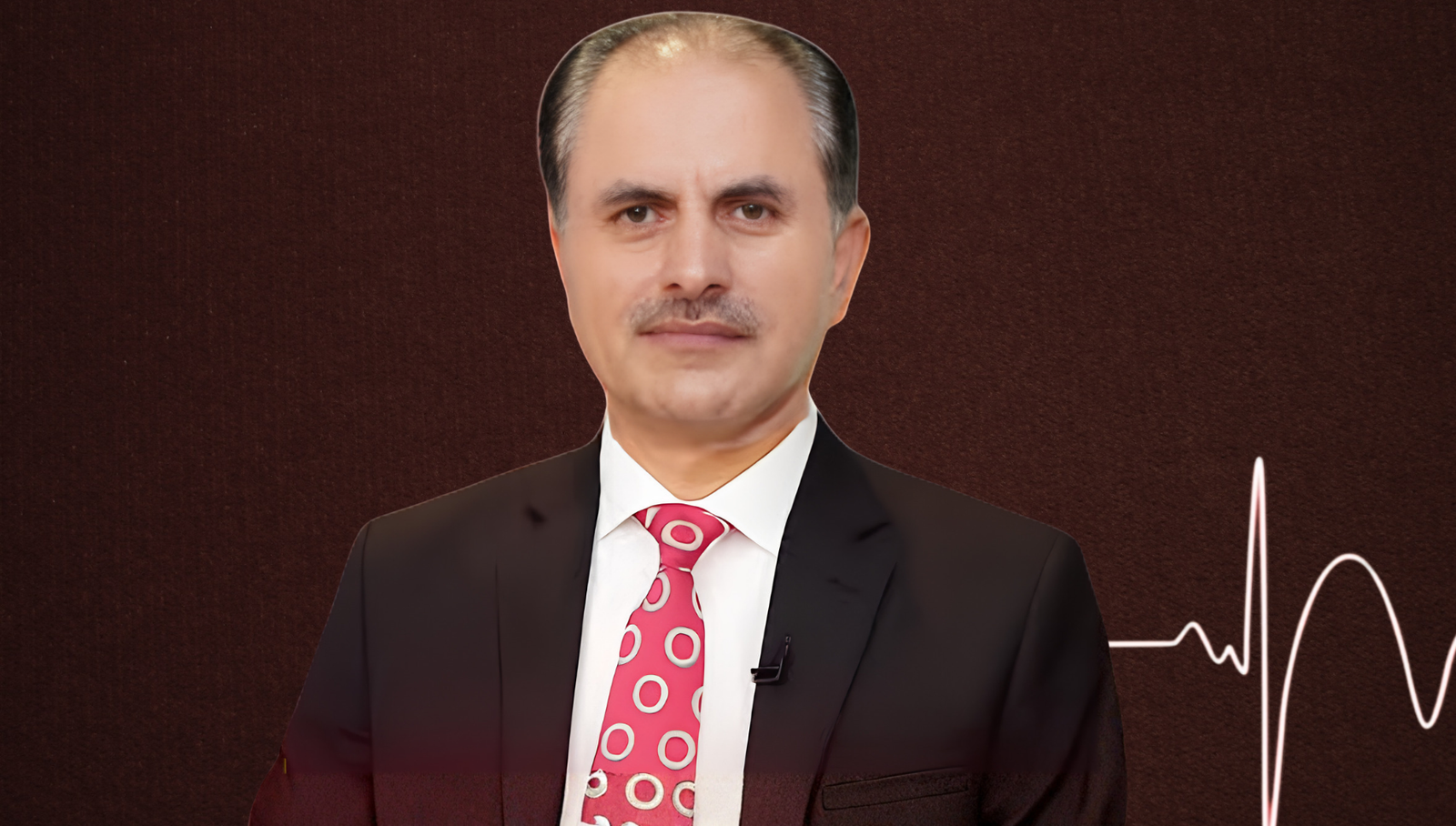
ISLAMABAD: Heart disease is rapidly emerging as a major public health challenge in Pakistan, with unhealthy diets, obesity, diabetes, hypertension, smoking and lack of physical activity contributing to a growing burden of cardiovascular illnesses. Once largely associated with older age groups, cardiac conditions are increasingly affecting younger people as well.
Dr. Syed Nasir Ali Gardezi, Director of the Cardiac Centre at the Pakistan Institute of Medical Sciences (PIMS) and Associate Professor, has warned that changing lifestyles and unhealthy daily habits are playing a significant role in the rising incidence of cardiovascular diseases.
Speaking in an exclusive interview with Sada-e-Sach TV, hosted by Syed Tabassum Abbas Shah, he revealed that approximately one in every three Pakistanis above the age of 45 either suffers from diabetes, hypertension or a cardiac condition, or faces a significant risk associated with these diseases.
He also referred to estimates suggesting that around 100 heart attack cases are registered across Pakistan every day, describing the figures as a serious indication of the country’s growing cardiovascular health burden.
Lifestyle Changes Behind the Growing Cardiac Crisis
Explaining the changing pattern of diseases, he observed that cardiovascular conditions have become a major health concern in developing countries, with their burden increasingly resembling that of developed nations.
He noted that the distinction between rural and urban populations in terms of cardiac risks is also becoming less pronounced.
According to him, unhealthy eating habits, irregular sleeping patterns, excessive consumption of fast food and energy drinks, obesity, smoking, environmental pressures and psychological stress are among the major factors contributing to the growing incidence of heart disease.
He emphasised that maintaining a healthy heart requires a disciplined lifestyle, including balanced nutrition, regular physical activity, adequate sleep and proper weight management.
Fast Food, Soft Drinks and Late-Night Eating Under Scrutiny
Highlighting changing dietary habits, he expressed concern over the growing consumption of fast food, sugary beverages and calorie-rich meals among Pakistanis.
He dismissed the common perception that drinking carbonated beverages after a heavy meal improves digestion, explaining that such drinks may instead aggravate digestive discomfort.
He recommended making breakfast an important part of the daily diet, maintaining balanced meals and avoiding heavy dinners late at night.
Fruits, vegetables, salads and other nutritious foods, he stressed, should form an essential part of everyday meals, while processed foods, excessive sugar and unhealthy fats should be consumed sparingly.
Does Desi Ghee Really Protect Against Health Problems?
Addressing the widespread use of traditional desi ghee in Pakistani households, he explained that describing ghee as traditional or homemade does not change its chemical composition or eliminate the risks associated with excessive saturated fat consumption.
The quantity and type of fat consumed are important considerations when assessing cardiovascular risks, he pointed out.
He added that olive oil, mustard oil and other vegetable oils can be suitable components of a balanced diet, but even these should be used in moderation.
People with diabetes, elevated cholesterol levels or a family history of heart disease, he advised, should pay particular attention to their dietary choices.
45 Minutes of Walking Can Make a Difference
Emphasising preventive healthcare, he recommended approximately 45 minutes of walking five days a week as part of a healthy routine.
Maintaining around 6,000 to 10,000 daily steps may also help individuals remain physically active and support overall metabolic health, he added.
He urged people to regularly monitor their body weight, waist circumference, blood pressure, blood sugar and cholesterol levels.
Preventing heart disease requires more than medication, he stressed, adding that lifestyle modifications, regular exercise and healthy eating habits are equally important.
Diabetes Significantly Increases the Risk of Heart Disease
Describing diabetes as one of the major risk factors for cardiovascular disease, he warned that people with uncontrolled blood sugar face a substantially higher risk of developing serious heart complications.
Individuals with prediabetes should also take the condition seriously, as damage to blood vessels and increased cardiovascular risks can begin before diabetes fully develops.
Explaining the importance of the HbA1c test, he said readings between 5.7 and 6.4 per cent generally indicate prediabetes, while a level of 6.5 per cent or above falls within the diagnostic range for diabetes, subject to appropriate clinical confirmation.
He further explained that doctors generally aim to maintain HbA1c below seven per cent in many diabetic patients, although individual targets vary according to age, medical history and overall health.
High Blood Pressure: The Silent Threat to the Heart
Warning against the dangers of hypertension, he described high blood pressure as a silent killer because many people remain unaware of the condition in its early stages due to the absence of noticeable symptoms.
Prolonged uncontrolled hypertension can damage the heart, kidneys, brain and blood vessels, he cautioned.
He clarified that a single elevated blood pressure reading is not sufficient to establish a diagnosis. Repeated measurements under appropriate conditions and, where necessary, 24-hour ambulatory blood pressure monitoring can provide a more reliable assessment.
Regular screening is particularly important for people with diabetes, kidney disease or a family history of cardiovascular problems, he advised.
Rapid Heartbeat May Also Be Linked to Thyroid Problems
A normal resting heart rate for most healthy adults generally ranges between 60 and 100 beats per minute, he explained.
However, abnormalities in thyroid function can also affect heart rate. An overactive thyroid may cause an unusually rapid heartbeat, while an underactive thyroid can slow it down.
He warned that persistently elevated heart rates can place additional strain on the heart muscle and, in certain cases, weaken its pumping ability, potentially leading to heart failure.
People experiencing persistent palpitations or irregular heartbeats should seek medical evaluation rather than ignore the symptoms, he stressed.
Smoking and Cannabis Pose Serious Risks to Young People
Expressing concern over the increasing use of cigarettes and cannabis among young people, he said that both active smoking and exposure to second-hand smoke can seriously affect cardiovascular health.
Tobacco smoke increases the risk of heart attacks, strokes, hypertension and several types of cancer, he explained.
He also cautioned that cannabis use may trigger spasms in coronary arteries, potentially restricting blood flow to the heart and increasing the risk of a heart attack, even among individuals without previously identified cardiac problems.
Young people, he urged, should avoid smoking and recreational drugs to protect their long-term health.
Chest Pain Should Never Be Mistaken for Simple Gastric Problems
One of the most important aspects of the interview concerned the recognition of heart attack symptoms.
He explained that pressure, heaviness or tightness in the chest, particularly when accompanied by pain spreading towards the arms, jaw, neck or back, could indicate a heart attack.
Other warning signs may include cold sweating, nausea, vomiting, breathlessness and severe discomfort.
He expressed concern that many people in Pakistan mistakenly attribute chest pain to gastric problems or muscular discomfort, resulting in dangerous delays in seeking medical assistance.
Anyone experiencing symptoms suggestive of a heart attack should immediately contact emergency medical services and reach the nearest hospital, he emphasised.
Timely diagnosis and treatment are crucial in limiting permanent damage to the heart muscle, he added.
More Than 6,000 Angiography and Angioplasty Procedures Performed
Sharing details of his professional experience, he disclosed that he had performed more than 6,000 angiography and angioplasty procedures during his medical career.
He explained that angioplasty, which involves opening blocked coronary arteries and placing a stent where clinically required, is an important modern treatment option for patients suffering from acute heart attacks.
PIMS provides a 24-hour primary PCI service for heart attack patients, enabling emergency cardiac intervention when clinically indicated, he said.
The PIMS Cardiac Centre has a capacity of approximately 100 to 150 beds and offers specialised services in cardiac surgery, electrophysiology, nuclear cardiology, angiography, emergency care and critical cardiac treatment.
He added that modern treatment facilities are being introduced and expanded, particularly in the electrophysiology department.
The hospital is also working towards establishing a dedicated stroke unit to improve treatment facilities for stroke patients and reduce long-term disability associated with the condition.
Are Garlic and Dry Fruits Beneficial for Heart Health?
Discussing commonly used household foods, he said almonds, walnuts and pistachios can be included in a balanced diet, provided they are consumed in moderate quantities.
He cautioned against excessive consumption of salted dry fruits because their high sodium content may contribute to increased blood pressure.
Garlic can also be included in everyday meals as part of a healthy diet, he explained. However, it should never be considered a substitute for prescribed medication for cholesterol or hypertension.
Can Emotional Stress Actually Break a Heart?
In an interesting part of the conversation, host Syed Tabassum Abbas Shah raised questions about the scientific connection between emotions, heartbreak and the human heart.
Responding to the question, the cardiologist explained that emotions are primarily regulated by the brain and nervous system, but they can significantly influence heart rate and cardiac function.
He referred to Broken Heart Syndrome, a medically recognised condition in which severe emotional or physical stress can temporarily weaken the heart muscle.
Also known as Takotsubo cardiomyopathy, the condition demonstrates how closely emotional stress and cardiovascular health are connected.
Describing the human heart as an extraordinary and vital organ, he explained that its electrical conduction system plays a fundamental role in maintaining the body’s circulation.
A Message to Pakistanis: Prevention Begins With Everyday Choices
Concluding the interview, he urged people to take greater responsibility for their health and recognise that prevention is often more effective than waiting for a disease to develop.
He recommended maintaining a healthy weight, eating balanced meals, following regular sleeping patterns, walking daily, avoiding smoking and recreational drugs, and limiting the consumption of fast food and sugary beverages.
He also advised regular medical assessments, including blood pressure, blood sugar, HbA1c and cholesterol testing, particularly for individuals with a family history of cardiovascular disease.
“Treatment is not limited to medicines. A substantial part of maintaining good health depends on lifestyle, dietary discipline and preventive measures,” was the central message of his discussion.
The interview highlighted an important reality: protecting the heart is not merely a medical responsibility but a daily commitment that begins with healthier choices at home and in everyday life.
Exclusive
From 400 Imambargahs to Thousands of Sacred Standards: The Extraordinary Spiritual Legacy of Bawa Syed Zaman Ali Shah Motiyan Wali Sarkar
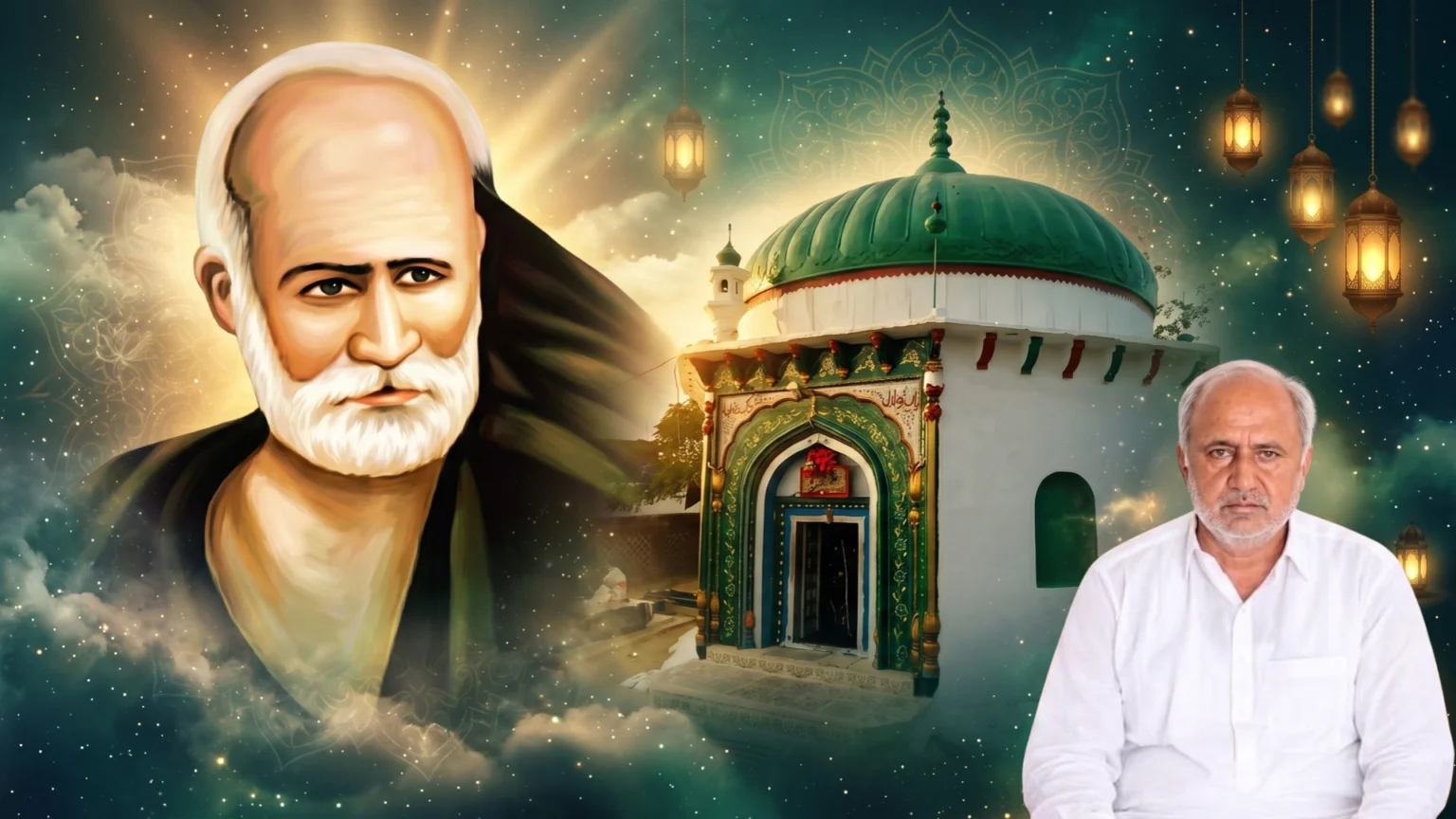
JHAMRA SHARIF: The spiritual history of the subcontinent is filled with personalities whose lives transcended conventional religious boundaries and left lasting impressions on generations. Among these revered figures is Bawa Syed Zaman Ali Shah Motiyan Wali Sarkar, a spiritual personality remembered for his devotion to the Ahl-e-Bait (AS), promotion of Azadari, service to humanity and establishment of religious centres across different parts of the region.
According to traditions preserved by his spiritual descendants, Bawa Zaman Ali Shah played a remarkable role in establishing and supporting hundreds of Imambargahs, encouraging the installation of thousands of Alam-e-Pak (sacred standards) and spreading the message of Imam Hussain (AS) far beyond his hometown of Jhamra Sharif.
Perhaps one of the most intriguing aspects of his life is that he never married. Yet, according to a famous family tradition, he used to describe himself as having 125,000 children in the physical world and another 125,000 in the spiritual realm.
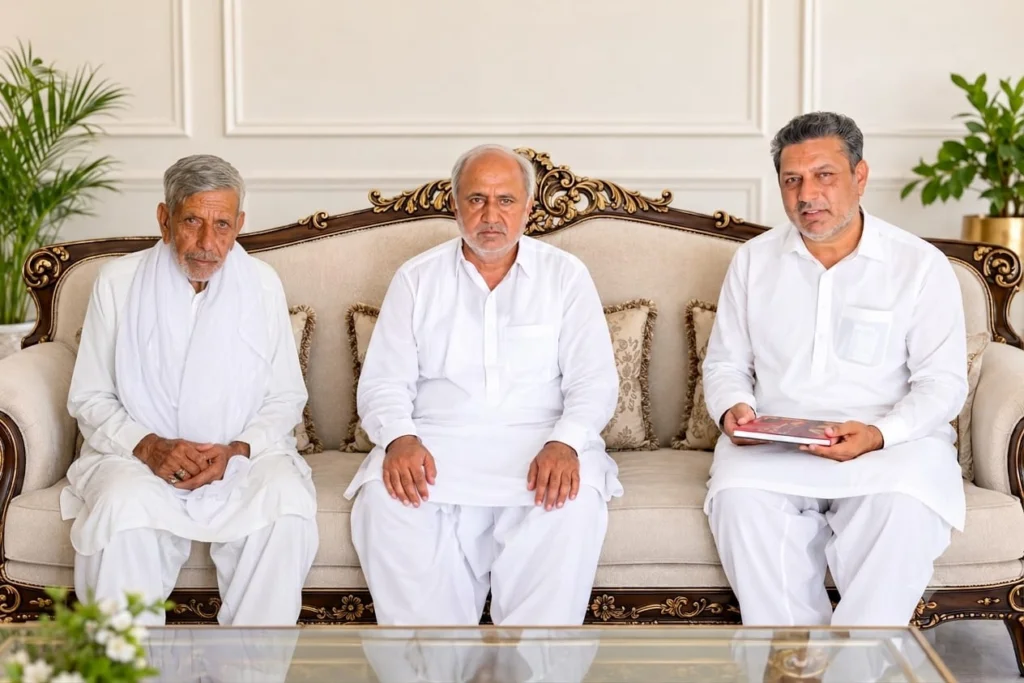
The extraordinary accounts of his life, spiritual journey, miracles and religious services were shared by Syed Anwar Hussain Shah Mashhadi, the current Sajjada Nashin of the shrine of Bawa Motiyan Wali Sarkar in Jhamra Sharif, during an exclusive interview for the second episode of Sada-e-Sach TV’s Sadaat Series.
Jhamra Sharif: A Spiritual Centre with a History of Nearly Three Centuries
Explaining the historical background of Jhamra Sharif, Syed Anwar Hussain Shah said that the settlement has a history stretching back approximately 300 years.
He traced the spiritual foundations of the area to Bawa Syed Didar Ali Shah, believed to have been born around 1825. His ancestral home was Mari Sharif, situated near the Balkassar Interchange.
According to family traditions, Bawa Didar Ali Shah travelled to Jalairiya, where he received spiritual guidance and blessings from Sakhi Moazam Qalandar Sarkar.
It is said that Sakhi Moazam Qalandar directed him towards Jhamra and blessed him with the spiritual inheritance of seven generations of his descendants.
At that time, the settlement was reportedly known as Jhamra Choron Wala. Through Bawa Didar Ali Shah’s religious activities and spiritual influence, it gradually became known as Jhamra Sharif, a name that continues to carry significance among his followers.
One of the most frequently narrated incidents concerns a large stone associated with Bawa Didar Ali Shah. According to tradition, when people questioned his spiritual strength, he struck the stone with his fist, leaving a visible impression. The stone is still regarded as a place of spiritual significance by devotees.
Why Was Bawa Didar Ali Shah Called ‘Jag Taran’?
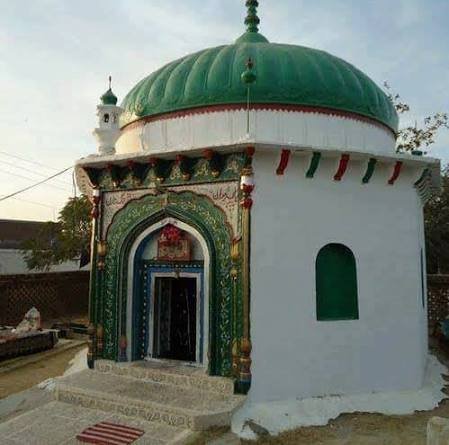
The title ‘Jag Taran’ is associated with the belief that Bawa Didar Ali Shah extended spiritual blessings to people from different walks of life and helped those who approached him with difficulties.
His original name was Syed Didar Ali Shah, but devotees came to recognise him by the spiritual title of Jag Taran.
Another remarkable aspect of his legacy is his literary and religious knowledge. According to Syed Anwar Hussain Shah, a handwritten copy of the Holy Quran attributed to Bawa Didar Ali Shah has been preserved by a member of the family, Syed Ali Abbas. Devotees continue to visit and seek an opportunity to view this manuscript.
The Spiritual Journey of Bawa Zaman Ali Shah
Bawa Syed Zaman Ali Shah Motiyan Wali Sarkar is believed to have been born around 1850.
His journey in search of a spiritual guide is described through several family traditions.
One account suggests that he initially sought guidance from Sakhi Moazam Qalandar. Another popular version links his spiritual journey to Choa Saidan Shah, where he reportedly visited Sakhi Saidan Shirazi Sarkar Badshah.
According to this account, he was directed towards Jhamra Sharif, where a spiritual personality was waiting for him beneath a Peepal tree.
A further family tradition says that Bawa Zaman Ali Shah accompanied an elder of his family, Syed Gohar Ali Shah, to Jhamra Sharif. During that visit, Bawa Didar Ali Shah noticed the young Zaman Ali Shah and reportedly expressed his desire to take him under his spiritual guidance.
These accounts have been preserved through oral traditions passed down within the family.
The Story Behind the Title ‘Motiyan Wali Sarkar’

One of the most fascinating traditions associated with Bawa Zaman Ali Shah concerns the origin of his famous title, Motiyan Wali Sarkar, meaning the saint associated with pearls.
According to a widely narrated story, Bawa Zaman Ali Shah was once travelling with a group of faqirs and disciples when they stopped at Malik Wala railway station.
A railway ticket inspector approached the group and asked them to produce their tickets. When the faqirs explained that they did not have tickets, the official insisted that they could not travel without purchasing them.
The family tradition says that Bawa Sahib then demonstrated a spiritual miracle. He reportedly lifted the carriage in which they were sitting and asked the official to look beneath it.
According to the account, the inspector saw a large heap of pearls underneath the carriage.
Another version suggests that pearls began falling from above during the incident.
The railway official was reportedly astonished by what he witnessed and apologised. This incident is traditionally associated with the emergence of the title Motiyan Wali Sarkar, by which Bawa Zaman Ali Shah became widely known.
Hundreds of Imambargahs: A Lifetime Devoted to Azadari
One of the most significant contributions attributed to Bawa Zaman Ali Shah was his role in promoting Azadari and establishing Imambargahs.
According to Syed Anwar Hussain Shah, the family’s elder, Moazam Syed Ejaz Hussain Kazmi, used to state that Bawa Sahib laid the foundations of nearly 400 Imambargahs and religious centres during his lifetime.
Family accounts place the estimated number between 365 and 400.
His activities reportedly extended across several districts and towns, including Jhamra Sharif, Arrar Sharif in Tehsil Choa Saidan Shah, Haringpur, Moujiwala, Dhandha Jasuki, Shadiwal and different areas of Gujrat and Mandi Bahauddin.
His method of establishing these religious centres was distinctive.
Whenever people approached him for prayers or spiritual assistance and asked how they could serve him in return, he would reportedly encourage them to donate land for an Imambargah dedicated to Imam Hussain (AS).
The objective was not to establish institutions in his own name but to create permanent centres for the remembrance of Imam Hussain (AS) and the continuation of Azadari.
This approach became an important part of his religious mission.
Thousands of Alams Installed in Homes Across the Country
Bawa Motiyan Wali Sarkar also encouraged devotees to install Alam-e-Pak at their homes and maintain a connection with the traditions of Azadari.
According to Syed Anwar Hussain Shah, people who approached Bawa Sahib with personal difficulties and problems were often advised to establish a sacred standard at home, organise religious gatherings and offer nazr-o-niyaz in the name of Imam Hussain (AS).
This practice reportedly encouraged thousands of families to install Alams in their homes.
Through this approach, the message of Karbala reached not only religious centres but also individual households, creating a wider network of devotion and remembrance.
The Mystery of 125,000 Children: How Did a Saint Who Never Married Describe Himself as a Father?
One of the most unusual stories associated with Bawa Zaman Ali Shah is the tradition of his 125,000 physical and 125,000 spiritual children.
Since he never married, the story has naturally attracted considerable attention among devotees.
According to Syed Anwar Hussain Shah, a woman once remarked that Bawa Sahib was young and handsome and should return to his hometown, marry and establish a family.
When Bawa Zaman Ali Shah shared this conversation with his spiritual guide, Bawa Didar Ali Shah, the latter reportedly instructed him to convey a remarkable response.
He was to tell the woman:
“I have 125,000 children in the physical world and another 125,000 in the spiritual world.”
The physical children, according to the family’s explanation, referred to the enormous following of faqirs and dervishes who travelled with him.
The spiritual children represented his disciples, devotees and those who benefited from his spiritual teachings.
His followers were traditionally described as a massive procession of faqirs, popularly known as the Sawalakh Qatara.
A Procession of Faqirs Carrying a Message of Peace and Humanity
Bawa Sahib’s method of spreading his message was deeply connected with ordinary people.
His faqirs travelled from village to village, visiting homes and offering prayers for the residents.
Their traditional greeting was:
“Kal Ka Bhala, Kal Ki Khair, Haq Da Imam Ya Ali.”
People would respond by offering flour, food or whatever they could afford as nazr and niyaz.
According to family accounts, this was part of a spiritual discipline through which Bawa Sahib encouraged his followers to serve people, spread goodwill and carry the message of Ahl-e-Bait (AS) to every doorstep.
Spiritual Personalities Who Benefited from His Spiritual Legacy
Bawa Motiyan Wali Sarkar’s spiritual influence is also associated with several personalities who subsequently established their own spiritual centres.
During the interview, Syed Anwar Hussain Shah mentioned Baba Jamal Sarkar of Sargodha, Baba Talib Hussain Shah of Ratti Tibi and Baba Chand Sarkar of Jasoki in Gujrat district among the personalities associated with this spiritual tradition.
Their shrines and spiritual centres continue to attract devotees in their respective areas.
According to the family representative, there are many other personalities whose names and spiritual contributions remain part of the wider legacy of Bawa Motiyan Wali Sarkar.
Beyond Religious Divisions: A Shrine Welcoming Everyone
One of the defining characteristics of Jhamra Sharif is its tradition of welcoming devotees from different religious schools of thought.
Syed Anwar Hussain Shah said that people belonging to Sunni and Shia communities, along with followers of other faiths, visit the shrine and participate in its annual celebrations.
He particularly noted the strong presence of Sunni devotees, including followers of the Barelvi school of thought.
According to him, the message associated with Bawa Motiyan Wali Sarkar was based on humanity, compassion and the welfare of people rather than religious divisions.
The annual Urs is celebrated on the 25th, 26th and 27th of Shawwal. According to family tradition, Bawa Sahib passed away on the 26th of Shawwal and was buried on the following day.
Thousands of devotees from different parts of Pakistan visit Jhamra Sharif during these celebrations.
Extraordinary Accounts of Charity and Miracles
Several stories about Bawa Motiyan Wali Sarkar’s generosity and spiritual influence have survived through oral traditions.
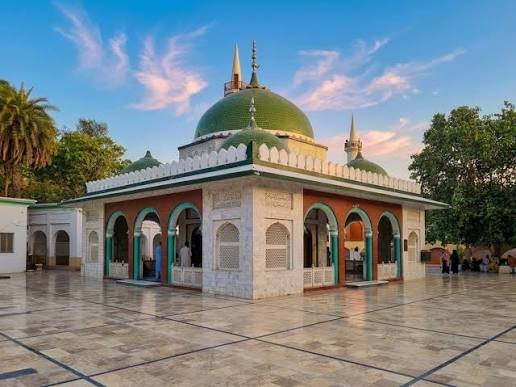
One such account is associated with the annual Urs of Sakhi Saidan Badshah in Choa Saidan Shah.
According to Syed Anwar Hussain Shah, Bawa Sahib would reportedly sit throughout the night listening to qawwals and distributing money generously.
A local police officer once reportedly questioned the unusual manner in which he distributed money. However, the family tradition says that when the officer investigated, he could find no money in the places from which Bawa Sahib had supposedly been taking it.
The officer was reportedly astonished and apologised.
Another popular account concerns the distribution of food among thousands of people.
Bawa Sahib frequently travelled with 400 to 500 faqirs and dervishes. During his later years, his followers would carry him in a palanquin.
When he arrived in a village, he would ask the residents to prepare langar for his companions and other visitors.
Even when people explained that they had very limited food supplies, he would reportedly ask them to prepare whatever was available.
According to the tradition, he would cover the food with a cloth, after which it would be distributed among a much larger gathering than the quantity originally prepared could ordinarily serve.
These incidents remain part of the spiritual stories narrated by his devotees.
His Final Journey and Burial Beside His Spiritual Guide
Another deeply revered tradition concerns the final moments of Bawa Zaman Ali Shah.
According to Syed Anwar Hussain Shah, when Bawa Sahib passed away, there was reportedly insufficient space inside the shrine of his spiritual guide, Bawa Didar Ali Shah, for his burial.
The family tradition states that space miraculously became available inside the shrine during the night, allowing him to be buried beside his Murshid.
A second version says that during his final moments, Bawa Sahib repeatedly sent one of his faqirs to check whether space had become available.
After several visits, the faqir reportedly returned with the news that a place had opened up.
According to this account, Bawa Sahib then went into prostration and passed away in that position.
This account is regarded by his followers as one of the most significant events associated with his final journey.
The Peepal Tree: A Living Symbol of the Spiritual Heritage
The Peepal tree at Jhamra Sharif is another important element of the shrine’s spiritual history.
According to local tradition, Bawa Didar Ali Shah used to sit at this location. A story associated with the family suggests that a piece of wood was placed there, after which a Peepal tree began to grow.
The tree still stands and is visited by devotees who consider the location spiritually significant.
Syed Amir Hussain Shah’s Literary Contribution to Azadari
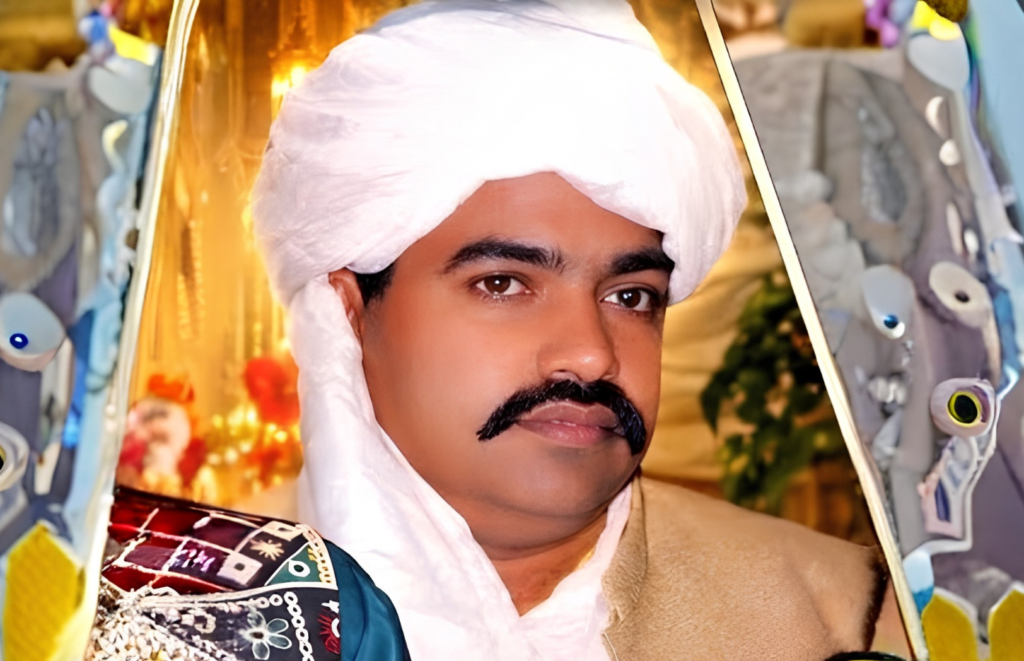
The spiritual family’s contribution was not limited to establishing religious centres and promoting Azadari. Its members also played a role in preserving the literary traditions associated with the remembrance of Karbala.
During the interview, Syed Anwar Hussain Shah highlighted the contribution of his brother, Syed Amir Hussain Shah, who devoted considerable effort to promoting the mission of Imam Hussain (AS).
His collection of religious poetry has been compiled into a book containing approximately 100 pieces, including marsiyas, nohas, qasidas and rubaiyat.
Many of these compositions continue to be recited in religious gatherings and mourning ceremonies.
One of the remembered verses from his poetry reflects the eternal message of Karbala:
“Karbala Walon Ki Duniya Mein Ajab Hai Dastan,
Jinhon Ne Deen Ko Khoon Se Hayat-e-Javedan.”
His literary contribution remains an important part of the family’s religious and cultural heritage.
The Real Purpose of the Annual Urs
The annual Urs at Jhamra Sharif is marked by religious gatherings, qawwali, traditional performances, dhamal, illumination and other cultural activities.
Local programmes also include traditional events such as horse dancing and gatherings involving bulls.
However, Syed Anwar Hussain Shah emphasised that the central purpose of these celebrations is the remembrance of the Holy Prophet Muhammad (PBUH), his family, the Ahl-e-Bait (AS) and the sacrifice of Imam Hussain (AS).
He explained that the Urs provides an opportunity for people from different backgrounds to come together, exchange experiences, strengthen their relationships and reconnect with the spiritual message of Karbala.
The gatherings also help transmit religious teachings and traditions to younger generations.
A Legacy That Continues Beyond Generations
The life of Bawa Syed Zaman Ali Shah Motiyan Wali Sarkar, as remembered through the traditions of his family and followers, represents a remarkable chapter in the religious and spiritual history of the region.
His association with hundreds of Imambargahs, the encouragement of thousands of households to install Alams, his large following of faqirs and his emphasis on the remembrance of Imam Hussain (AS) remain central to his legacy.
His message, as conveyed by his spiritual descendants, was rooted in love, peace, service to humanity, religious harmony and devotion to the Ahl-e-Bait (AS).
Today, Jhamra Sharif continues to attract devotees from across Pakistan, keeping alive the traditions associated with Bawa Motiyan Wali Sarkar.

EU Urges Israel to Ensure Uninterrupted Aid Delivery to Gaza Amid Devastating Floods
EUROPEAN UNION: The European Union has called on Israel to ensure immediate and unhindered access to humanitarian aid for Palestinians...


AI Could Pose an Existential Threat to Humanity Within Three Years, Leading Scientist Warns
Renowned artificial intelligence scientist and Nobel Prize winner Professor Geoffrey Hinton has warned that superintelligent AI could become powerful enough...

Pakistan Customs Recovers Rs. 680 Million Worth of Smuggled Goods in Kalabagh
ISLAMABAD: In a landmark anti-smuggling operation, the Collectorate of Customs Enforcement, Indus, has recovered a huge consignment of acetate tow...


Pakistan Reach SAFF Football Championship Final for the First Time
DHAKA: Pakistan’s football team made history by defeating Bangladesh 1-0 to qualify for the SAFF Football Championship final for the...


Two Killed in Nowshera Firing Over Goat Theft Dispute
NOWSHERA: Two people were killed in a firing incident over a goat theft dispute in the Nizampur area of Nowshera,...


World Bank Approves $300 Million for Clean Water and Sanitation Projects in Sindh
KARACHI: The World Bank has approved $300 million for clean water, sanitation and hygiene projects in Sindh. According to an...


Application Filed to Transfer Yasmin Rashid from Kot Lakhpat Jail to Hospital
LAHORE: An application has been filed in an Anti-Terrorism Court seeking the transfer of Pakistan Tehreek-e-Insaf (PTI) leader Dr Yasmin...


UK Met Office Forecasts First Snowfall of Winter as Temperatures Set to Drop
LONDON: The UK Met Office has forecast the first snowfall of the winter season across the country. According to the...


Ishaq Dar Reviews Preparations for Pakistan-Turkmenistan Joint Commission Meeting
ISLAMABAD: Deputy Prime Minister and Foreign Minister Senator Mohammad Ishaq Dar on Saturday chaired an inter-ministerial meeting to review preparations...

Pakistan, Ethiopia Agree to Advance Trade Cooperation, Address WTO and Pharmaceutical Market Access Issues
ISLAMABAD: Federal Minister for Commerce Jam Kamal Khan and Ethiopia’s Minister of Trade and Regional Integration, Yasmin Wohabrebbi, held a...
-
 Health7 months ago
Punjab Govt Opens Admissions for Lady Health Visitor Course
-

 Articles1 year ago
A Glimpse At Maj. Gen. Irfan Malik’s 02 Year Tenure
-

 Latest1 year ago
Punjab CM Maryam refuses to apologise, hits out at critics again
-
 Latest2 weeks ago
FDE holds Annual Awards Ceremony to Honor Intermediate Position Holders
-

 Latest12 months ago
Digital Pakistan and the Imperative of Implementing the National AI Policy
-

 Latest6 months ago
South Air ready to launch regional flight operations, connecting regions of pakistan
-

 Latest7 months ago
OPF Chairman Qamar Raza Naqvi Receives Warm Welcome from Pakistani Community in US
-
 Latest6 months ago
Syed Zeeshan Ali Naqvi Elected as President CJP, Raja Gohar Iqbal as Secretary General