
Overseas Pakistanis
Mohsin Naqvi praises security forces for successful operation against terrorists in Mastung
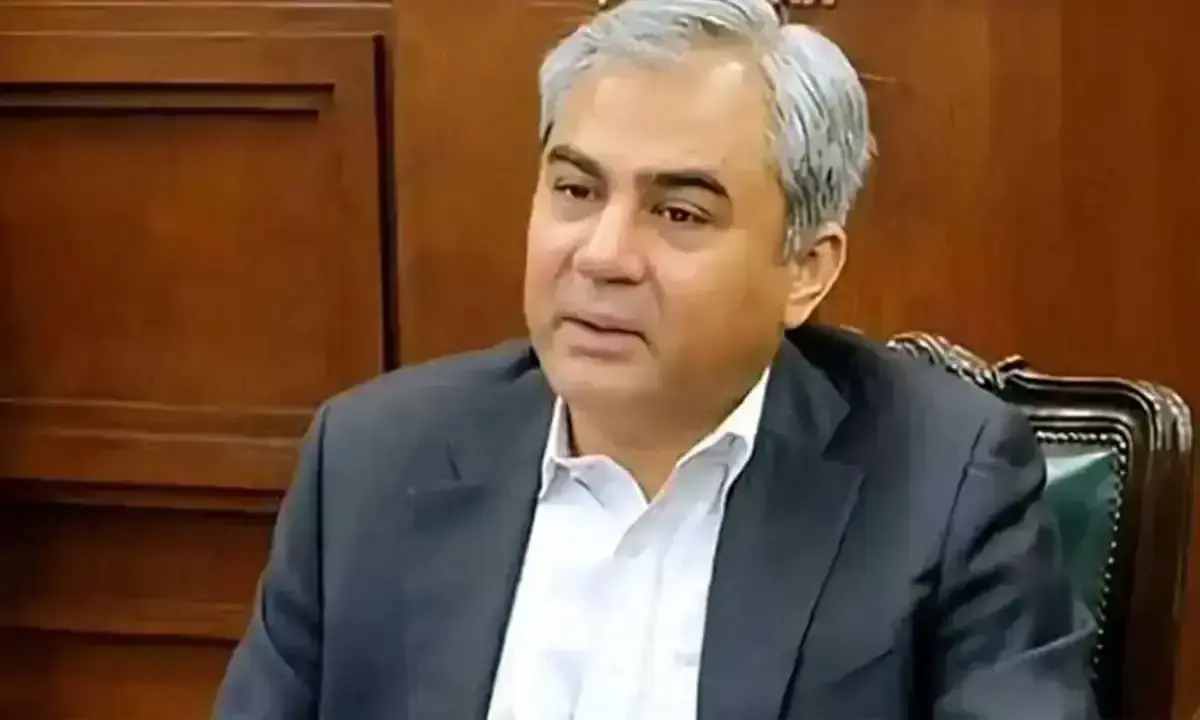
ISLAMABAD: Federal Interior Minister Mohsin Naqvi on Monday commended the security forces for carrying out a successful operation against Fitna al-Hindustan terrorists in Mastung, praising their efforts and professional capabilities in eliminating three terrorists, including a commander.
In a statement, Interior Minister Mohsin Naqvi paid tribute to the security forces for their successful action against terrorists linked to Fitna al-Hindustan in Mastung. He appreciated the professionalism displayed by the forces during the operation and acknowledged their role in neutralizing three terrorists, including a commander.
The minister said the security forces had foiled the intentions of Fitna al-Hindustan terrorists and prevented them from achieving their objectives. He stated that the successful operation reflected the determination and preparedness of the forces in dealing with threats posed by terrorist groups.
Mohsin Naqvi noted that the security forces continue to play a key role in maintaining peace and protecting the country from terrorism. He said their efforts and sacrifices are vital in the ongoing fight against terrorist elements.
The interior minister reiterated that operations against terrorism would continue until its complete elimination. He said the security forces would keep taking action against terrorist groups wherever necessary to ensure the safety and security of the country.
He further stated that the nation stands firmly alongside the security forces in the war against terrorism.
Mohsin Naqvi also expressed confidence in the ability of the security forces to continue their mission against terrorism and said their commitment remains essential in achieving lasting peace and security.
Latest
OPF Chairman Qamar Raza Naqvi Receives Warm Welcome from Pakistani Community in US
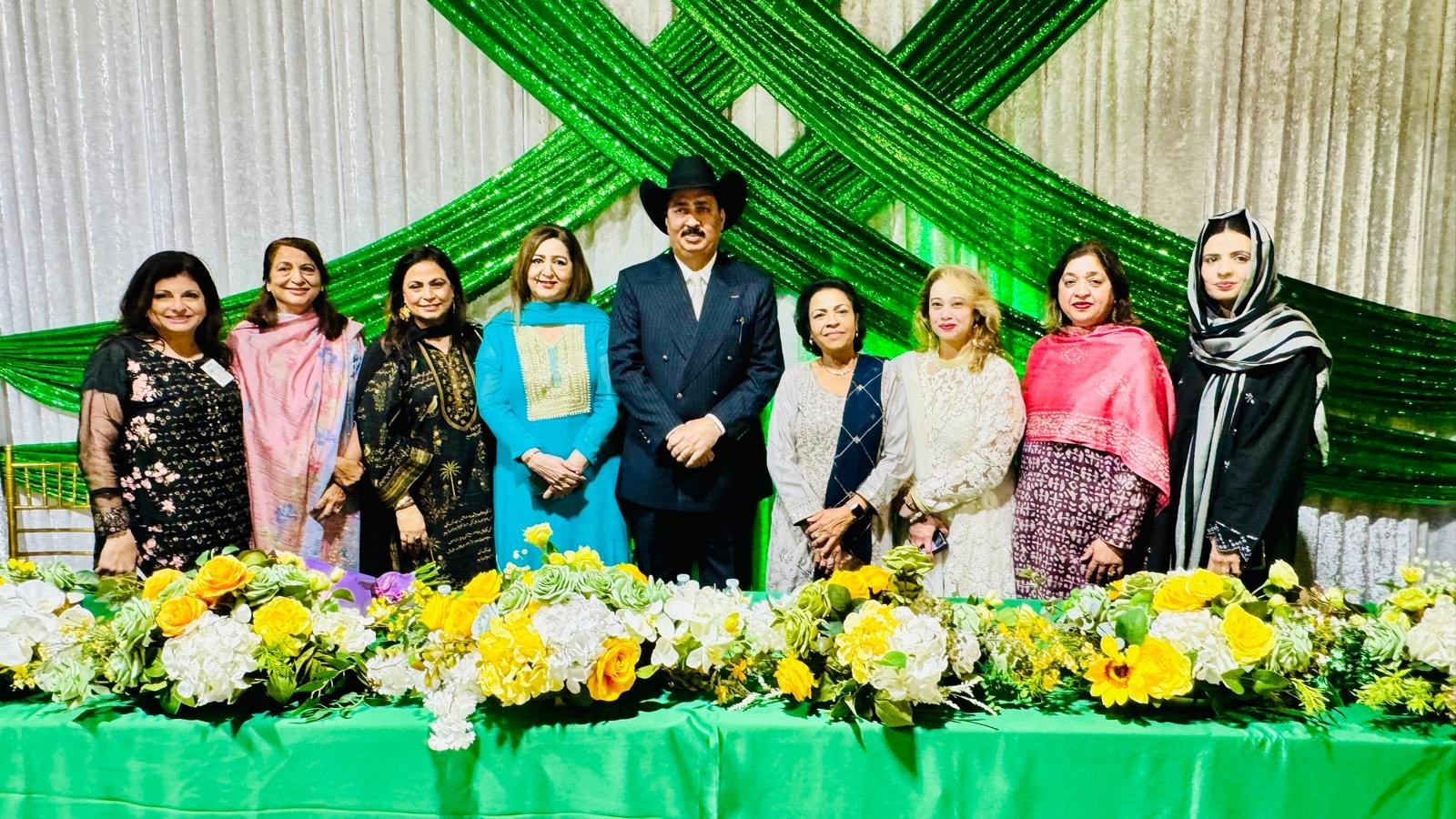
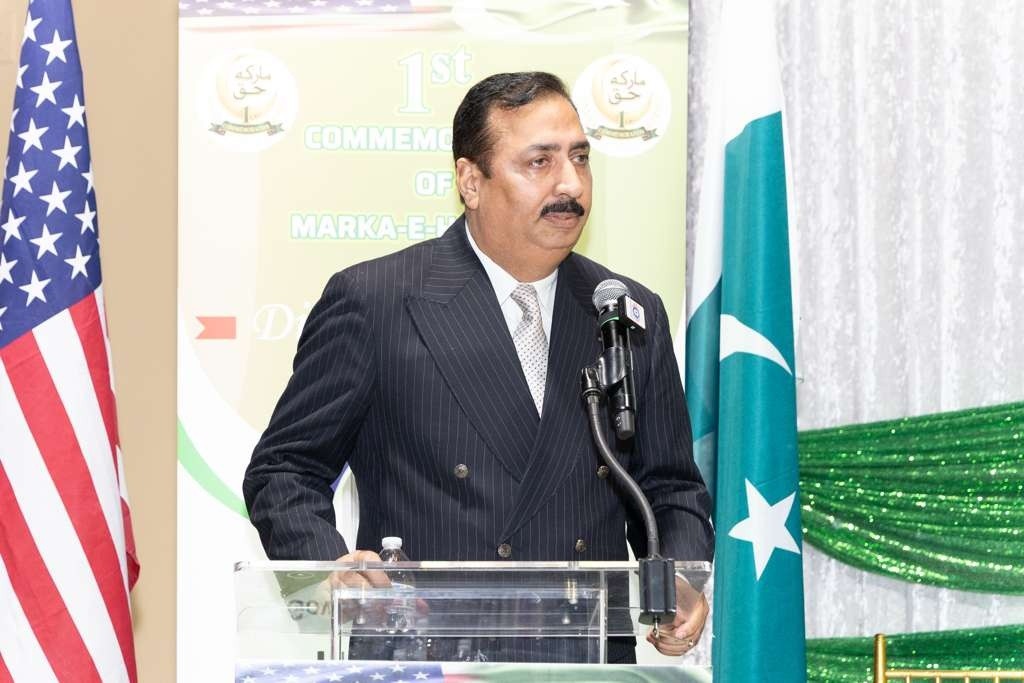
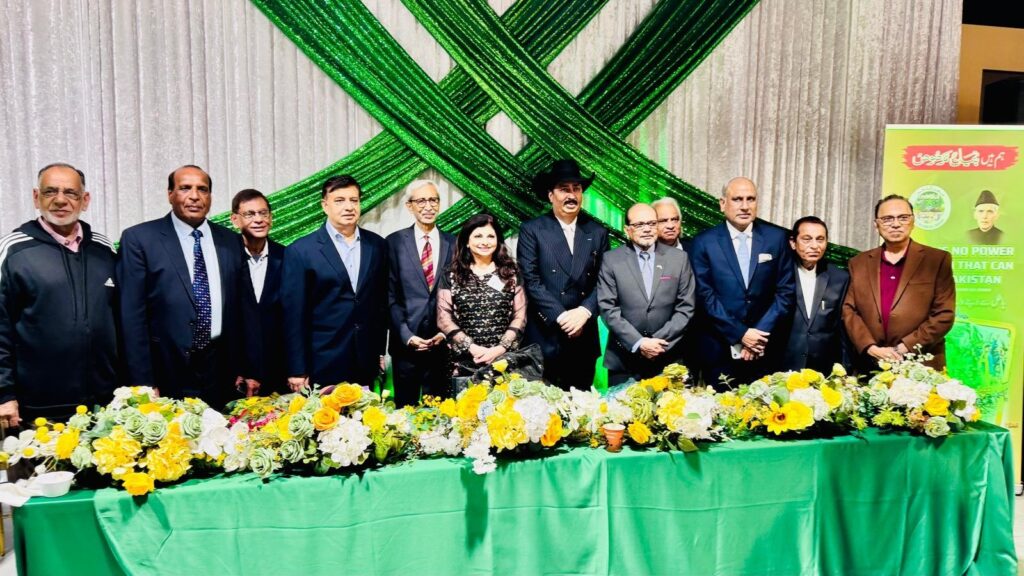
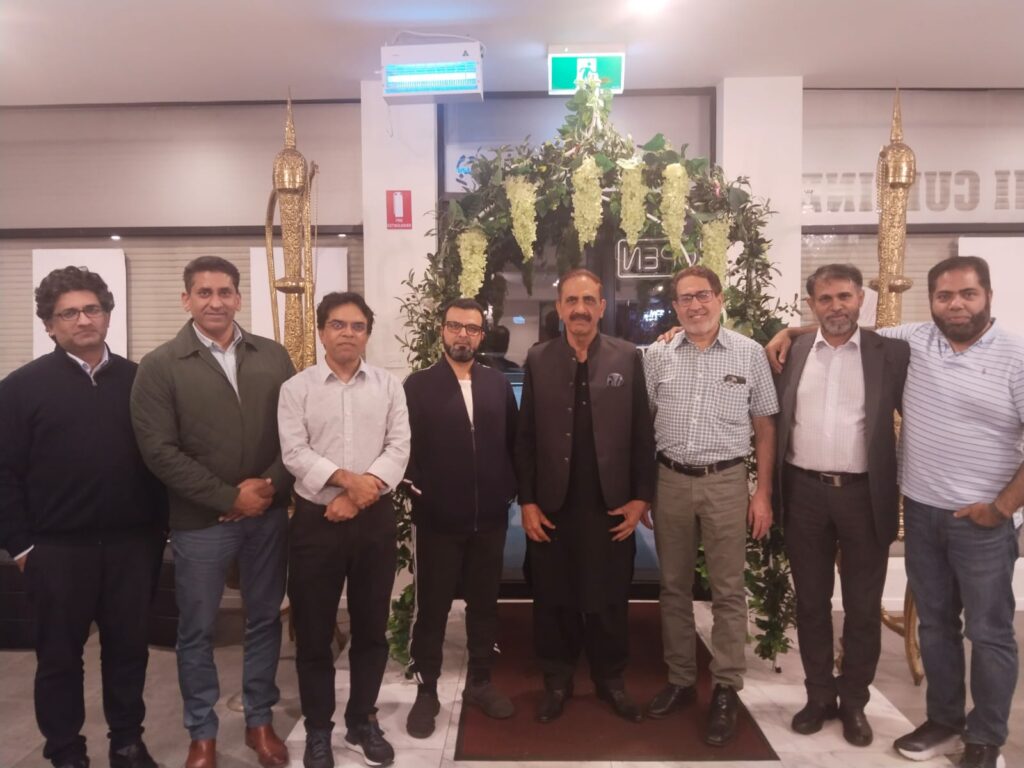
New York: Chairman Overseas Pakistanis Foundation, Syed Qamar Raza Naqvi, received a warm welcome from prominent members of the Pakistani community upon his arrival in the United States. He is scheduled to attend several events during his visit.
On reaching U.S., Syed Qamar Raza Naqvi was greeted with bouquets and a grand reception by notable figures of Pakistani Community.
Syed Qamar Raza Naqvi is widely credited for effectively highlighting the issues faced by overseas Pakistanis at the highest levels of government and taking practical steps toward their resolution. His efforts include initiating legislation and other measures aimed at protecting interests of overseas Pakistanis.
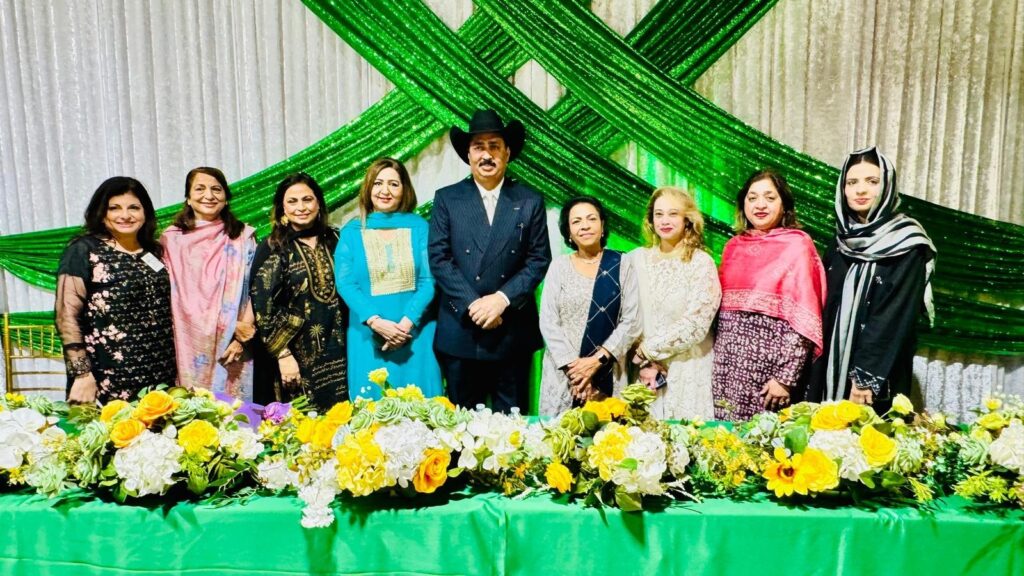

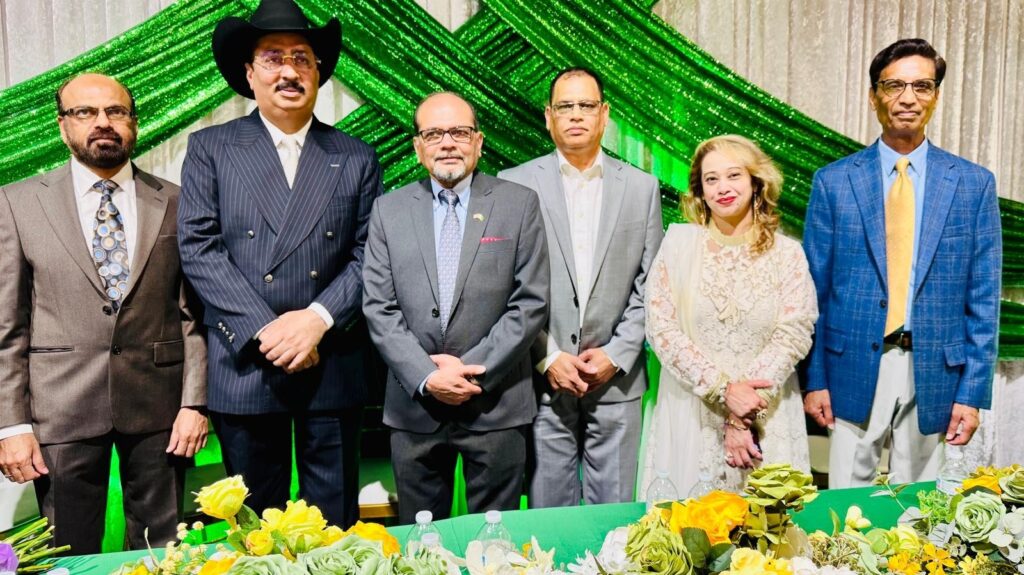
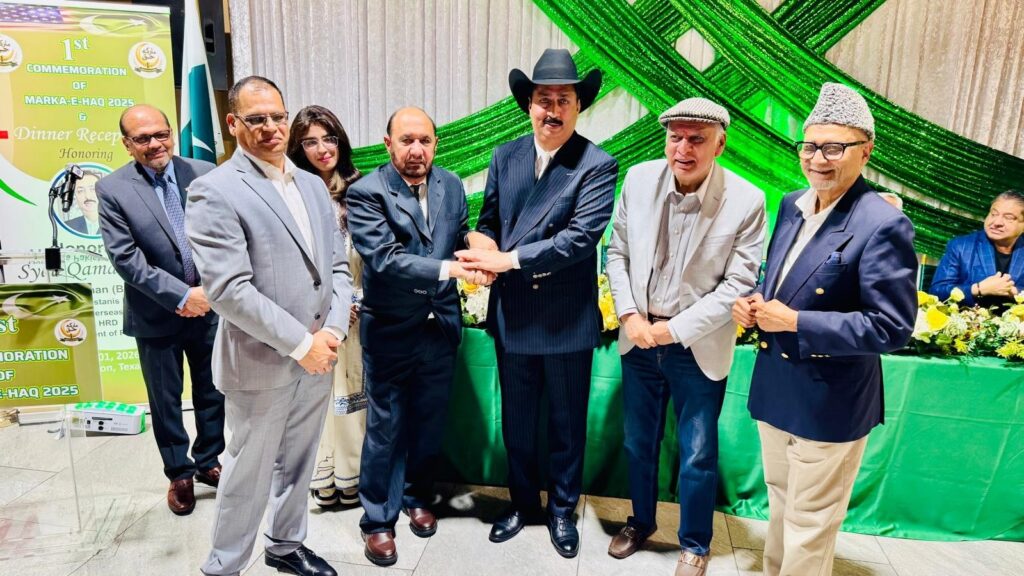
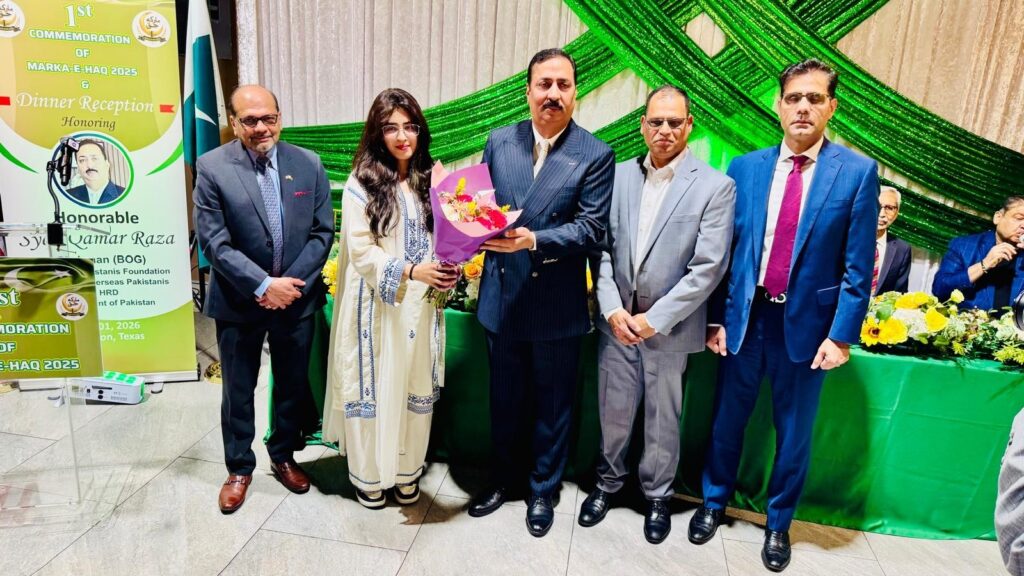
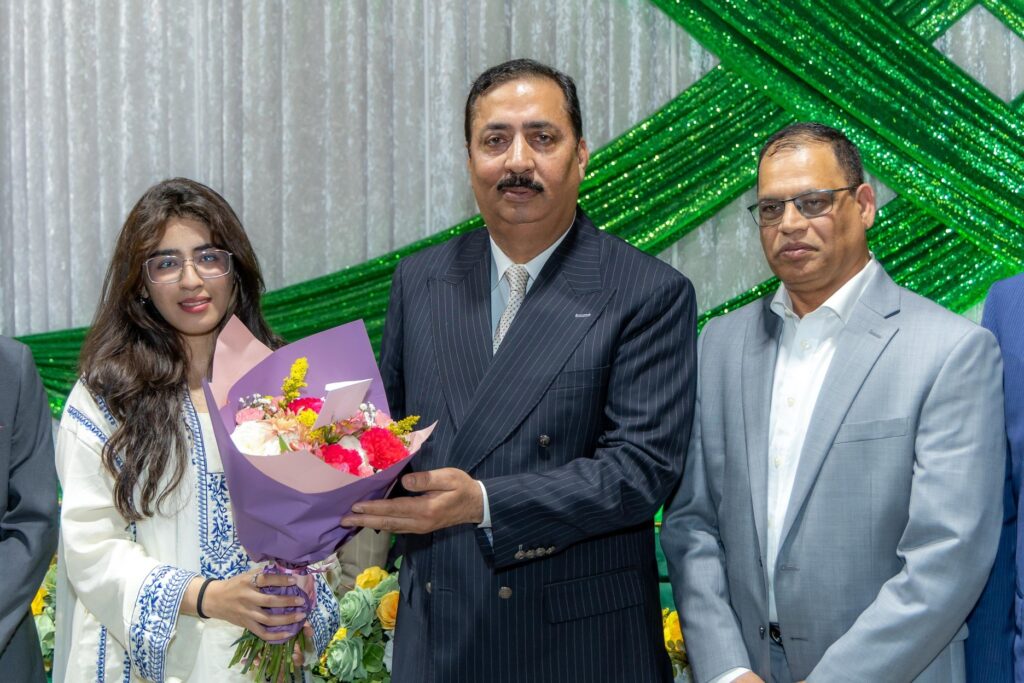
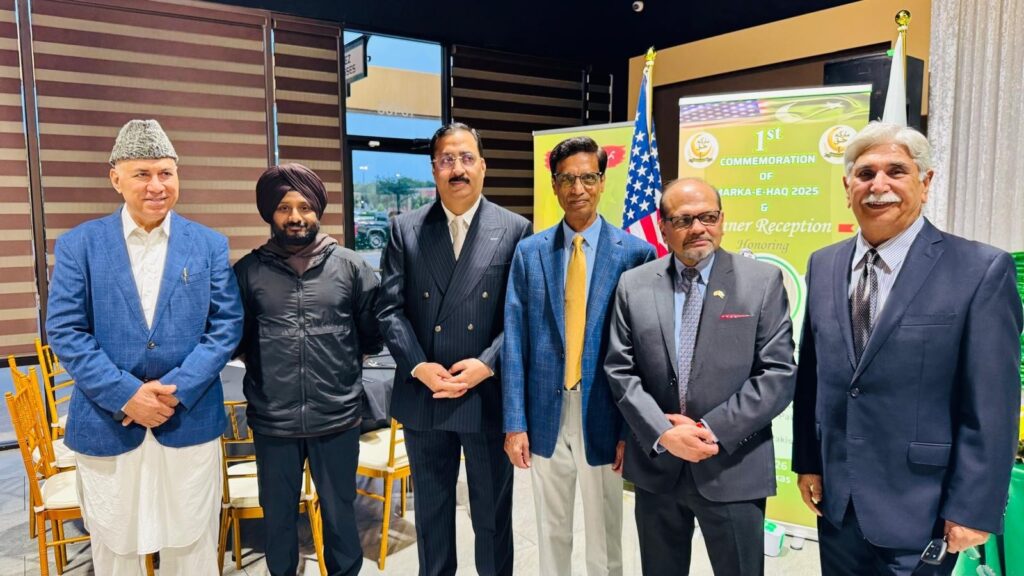
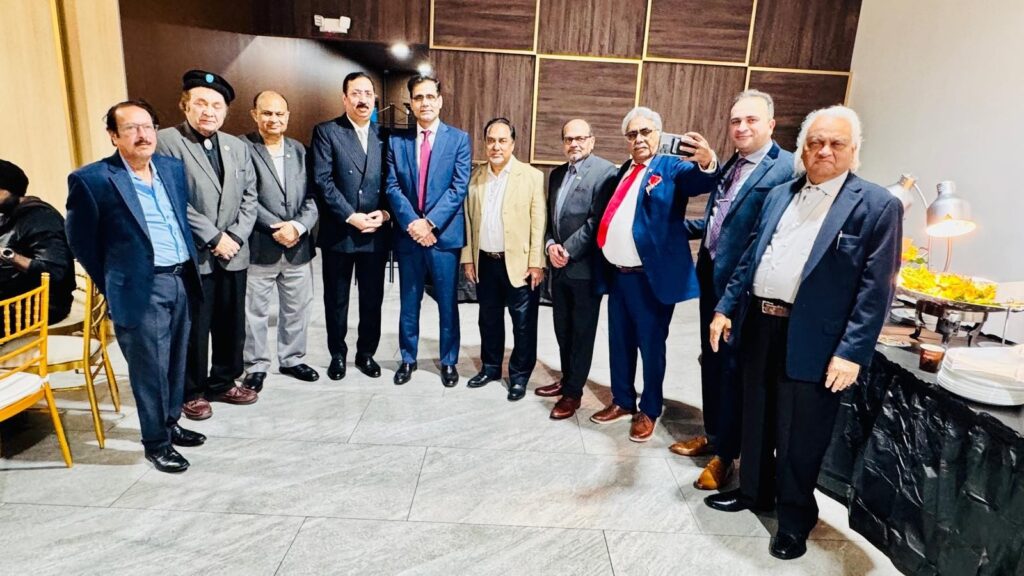
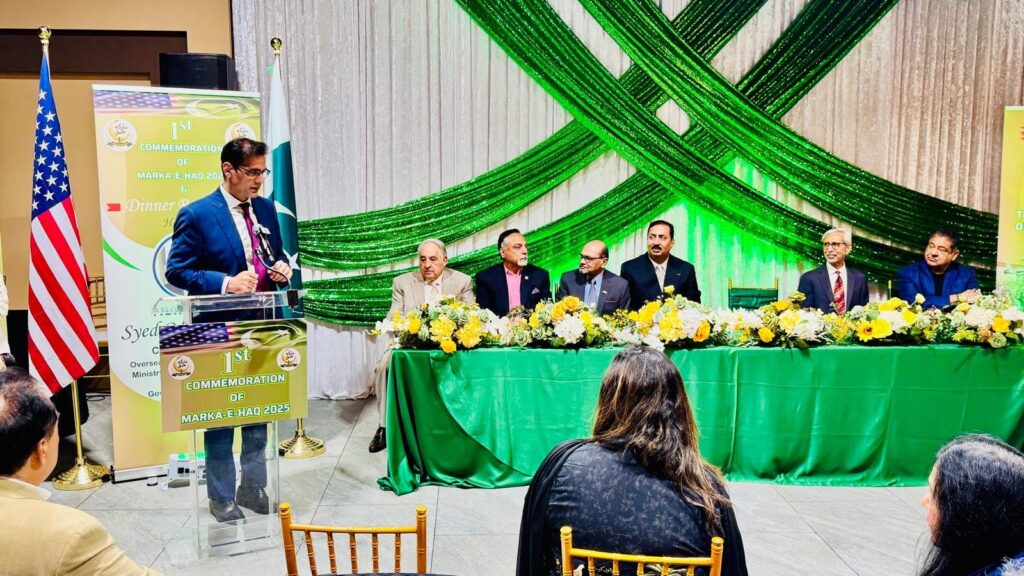
For the first time in Pakistan’s history, he organized overseas conventions both within the country and abroad. These conventions provided overseas Pakistanis with a platform to present their concerns directly to the government and contribute suggestions for national development, many of which were incorporated into policy-making.
Also Read: OPF Chairman Stresses Sufi Teachings at Awards Ceremony Recognizing National Icons
These conventions were attended by Prime Minister Mian Muhammad Shehbaz Sharif, Chief of Defence Forces Lieutenant Gen. Syed Asim Munir and other senior government officials, who assured participants of addressing their concerns and pledged concrete actions.
Additionally, he has remained consistently committed to resolving both collective and individual issues of overseas Pakistanis earning widespread respect and appreciation within the community.
Also Read: OPF Chairman Pays Tribute to Armed Forces on Victory of Marka-e-Haq
During his stay in the United States, he will also participate in several events organized by the overseas Pakistani community to commemorate the bravery of the Pakistan Armed Forces under the theme “Marka-e-Haq,” marking their decisive response to Indian aggression last year.
Latest
Digital Pakistan and the Imperative of Implementing the National AI Policy

By Nisar Hussain
Column: Diwan-e-Aam
The world is passing through a new industrial and technological wave that can rightly be described as the digital era. Mobile phones, the internet, cloud infrastructure, robotics, artificial intelligence and advanced IT services have transformed not only communication and commerce but the very foundations of education, healthcare, governance and economic development. Any nation that delays adopting these technologies risks falling behind in the global race for competitiveness.
This reality compels Pakistan to treat these domains not as slogan-driven initiatives but as true national priorities. The essential question, however, is whether the steps taken by the Government of Pakistan are sufficient to meet the demands of this new age.
One of the most significant developments in recent years is the approval of the National AI Policy 2025, which has opened the path toward building a comprehensive artificial intelligence ecosystem in the country. The policy sets ambitious targets.
These include developing a large skilled workforce, establishing national AI funds, launching thousands of AI-enabled public projects, supporting the creation of over a thousand indigenous AI products, and opening new avenues for research and education. Alongside this, the federal government has also announced the formation of an AI Council and a Master Plan to ensure that the policy moves beyond paperwork and enters the realm of practical implementation.
In the national budget, the government has allocated substantial funds for digitalisation, artificial intelligence and IT parks. Consequently, more than twenty software technology parks have been established or are under development across the country. The major IT parks in Karachi and Islamabad are emerging as significant centres for new tech start-ups as well as companies exporting software and IT-enabled services.
The surge in Pakistan’s IT exports further validates this digital transition. In the previous financial year, exports of IT and IT-enabled services grew by nearly twenty four percent, contributing to a positive foreign exchange surplus. Likewise, capacity-building programmes such as the Cloud Applied Generative AI initiative have equipped thousands of young Pakistanis with cutting-edge skills that can consolidate Pakistan’s presence in the global technology marketplace in the years ahead.
Yet despite this progress, several critical gaps remain, and they cannot be ignored. Announcing a policy is always the easiest step. The real challenge is implementation. Even if research and training centres are established, they will remain confined to files and reports unless they generate genuine opportunities for learning, innovation and industry collaboration.
Another reality is that Pakistan’s digital infrastructure is not uniformly developed. Major cities enjoy robust mobile connectivity and digital services but many smaller towns and rural areas still face limited access. If this disparity persists, the digital divide will widen and could evolve into a new form of socioeconomic inequality.
Another challenge is that training a few thousand or even a few hundred thousand individuals will not be sufficient. Pakistan is a young nation, and millions of its youth are waiting for modern technological education and employment opportunities.
Training only creates meaningful impact when it is accompanied by job creation, investment and tangible connections with industry. Pakistan must also reduce its reliance on foreign AI tools, platforms and cloud services. Excessive dependence will weaken technological sovereignty and delay the development of AI technologies that understand local languages, social realities and cultural contexts.
Concerns related to data privacy and cyber security are even more sensitive. As digital systems expand, the laws and regulatory frameworks that govern them must be strengthened proportionately.
Pakistan’s future can only be secured if the government moves beyond announcements and places performance at the centre of its approach. An autonomous authority should be established to oversee the effective implementation of the National AI Policy. This body must remain independent of political pressure and publish annual progress reports.
The country must prioritise the development of indigenous cloud and data centre infrastructure to ensure data protection and support local industry. Training initiatives must not remain confined to major cities. They must reach rural areas, women and underprivileged communities so that every segment of society can participate in this digital age.
Educational institutions should integrate high-quality courses in artificial intelligence, data science and cloud computing while research must be funded so that Pakistan evolves from being a technology consumer to becoming a technology creator.
If these measures are pursued with consistency, transparency and seriousness, Pakistan can meaningfully alter the trajectory of its development. New employment opportunities will emerge for the youth. Exports will continue to grow.
Governance will become more efficient and transparent. The country will be able to carve out its place in the global digital economy. However, if we continue to rely solely on policy announcements without translating them into concrete action, this historic opportunity may slip away. Pakistan stands at a crossroads.
This moment can either become the beginning of a new direction or the world will continue to advance while we remain stationary. The choice ultimately depends on our collective resolve and our willingness to act.
Articles
Golden Hour: A Dialogue of Light, River and Silence

By Nisar Hussain
Column: Diwan-e-Aam
They say every city has an hour of pure beauty, but Melbourne’s hour of radiance is that fleeting moment the world calls the Golden Hour. It is the time when the descending sun drapes the Yarra River in molten gold, and the towers standing along its edge catch their own reflections, shimmering with a borrowed brilliance.
This sight is not merely something to be observed; it is something to be felt. One senses as though the light itself is leaning in, speaking softly and deliberately.
Step away from the haste of the city, and as dusk settles, the boats gliding silently along the Yarra create the impression that even time has paused to watch.
The lights scattered along the banks, the mirrored silhouettes of buildings, and the delicate blend of pink, orange and gold produce a rare harmony where nature and civilisation seem to embrace. This is the moment that gives Melbourne’s Golden Hour its unmatched splendour.
At the heart of the city, the Yarra flows with a dreamlike quiet as evening spreads across its surface. From aboard dinner cruises like the Spirit of Melbourne or the Golden Hour Cruise, the city appears transformed, reflected, softened and almost mythical. During this slow three-hour journey, stretching from dusk into night, food, music, scenery and silence merge into a seamless, contemplative passage of time.
Sitting at the edge of the boat, when a lone streetlight casts its trembling reflection on the water, the city seems awake yet gentled, as if its pulse has found a steady calm. This hour belongs not only to photographers but to all who seek meaning in the language of light.
The angle of the sun, the orange glimmer rippling across the river, and the flickering lights beneath the bridges all converge to turn an ordinary instant into a framed memory.
A professional camera is not essential; the only real requirement is a heart that knows how to feel light. A wide-angle lens can help weave river and skyline into a single visual poem. Even so, the truth remains that sometimes the most exquisite picture is the one captured only by the eyes, unbound by frames and unpossessed by technology.
As the boat continues forward, both shores bathe in light. Buildings, bridges and their reflections intermingle until the boundary between life and dream begins to blur. It is more than leisure; it is a pause, a quiet conversation with oneself. In those moments, you cease to be a tourist and become an observer. You step out of life’s race and enter a space where earth, sky and heart turn the same shade of gold.
Every Australian city has a distinctive evening charm. The magic of sunset over the Sydney Harbour Bridge, the scattered light along the Great Ocean Road, or Brisbane’s gentle twilight on the river all have their own allure. Yet Melbourne stands apart. Here, light walks beside the river, rebounds from glass façades, then dissolves into the air like breath.
Life’s most precious moments are often found not in noise but in silence. Time spent on the Golden Hour Cruise is such a moment, where you, the river, the city and the light breathe in a single rhythm. When the boat returns to the quay and Melbourne’s night lights awaken, you realise you have brought back not just a picture but a feeling. It is grounded, serene and golden.
And this is the moment the city calls you toward. Come not merely as a tourist but as a silent witness to the light that restores Melbourne’s soul each evening. Pause for a while, breathe, and see how, at times, even light carries a quiet voice.

Health minister orders probe into Sindh MDCAT complaints
ISLAMABAD:Federal Minister for Health Syed Mustafa Kamal has taken notice of alleged irregularities in the Medical and Dental College Admission...

CDA chairman directs faster work on Expressway East project
ISLAMABAD: Capital Development Authority (CDA) Chairman Sohail Ashraf has directed officials to accelerate work on the Islamabad Expressway Service Road...

GB ministers call on Governor Kundi
PESHAWAR: Governor Khyber Pakhtunkhwa Faisal Karim Kundi on Saturday held a meeting with a delegation of Gilgit-Baltistan ministers at the...

DPM/FM, British HC discuss Pak-UK bilateral ties
ISLAMABAD, Oct 03 (APP):British High Commissioner Jane Marriott, on Saturday, called on Deputy Prime Minister/Foreign Minister Senator Mohammad Ishaq Dar...

Govt, PPP, opposition hold first round of talks at Parliament House
ISLAMABAD: The first round of talks between the government, Pakistan Peoples Party (PPP) and opposition concluded at Parliament House here...

CCC reiterates resolve to maintain internal stability, uphold rule of law
RAWALPINDI: The Corps Commanders’ Conference (CCC) while underscoring the importance of internal stability, on Friday resolved that any attempt to...


IMCG F-6/2 Holds Investiture Ceremony of Newly Elected College Council
ISLAMABAD: The investiture ceremony of the newly elected College Council 2026-27 was held at Islamabad Model College for Girls (IMCG),...

PM orders expansion of Aasaan Khidmat Centers across country
ISLAMABAD: Prime Minister Shehbaz Sharif on Thursday reiterating commitment to providing citizens with fast, transparent, and high-quality services at their...

Armed Forces fully prepared to protect Pakistan’s geographical borders, national security: DG ISPR
RAWALPINDI: Director General (DG) Inter-Services Public Relations (ISPR), Lt Gen Ahmed Sharif Chaudhry, while reiterating that there would be no...

PM reviews progress on Fuel Relief Scheme
ISLAMABAD: Prime Minister Muhammad Shehbaz Sharif Thursday chaired a review meeting regarding the progress of the Prime Minister’s Fuel Relief...
-

 Health6 months ago
Punjab Govt Opens Admissions for Lady Health Visitor Course
-
 Articles12 months ago
A Glimpse At Maj. Gen. Irfan Malik’s 02 Year Tenure
-

 Latest1 year ago
Punjab CM Maryam refuses to apologise, hits out at critics again
-

 Latest10 months ago
Digital Pakistan and the Imperative of Implementing the National AI Policy
-
 Latest5 months ago
Syed Zeeshan Ali Naqvi Elected as President CJP, Raja Gohar Iqbal as Secretary General
-

 Articles10 months ago
Golden Hour: A Dialogue of Light, River and Silence
-

 Latest5 months ago
HEC launches fully online, paperless degree attestation system
-

 Latest5 months ago
OPF Chairman Qamar Raza Naqvi Receives Warm Welcome from Pakistani Community in US