
Health
Healthy Diet and Balanced Lifestyle Essential for Preventing Heart Diseases: Dr. Nasir Ali Gardezi
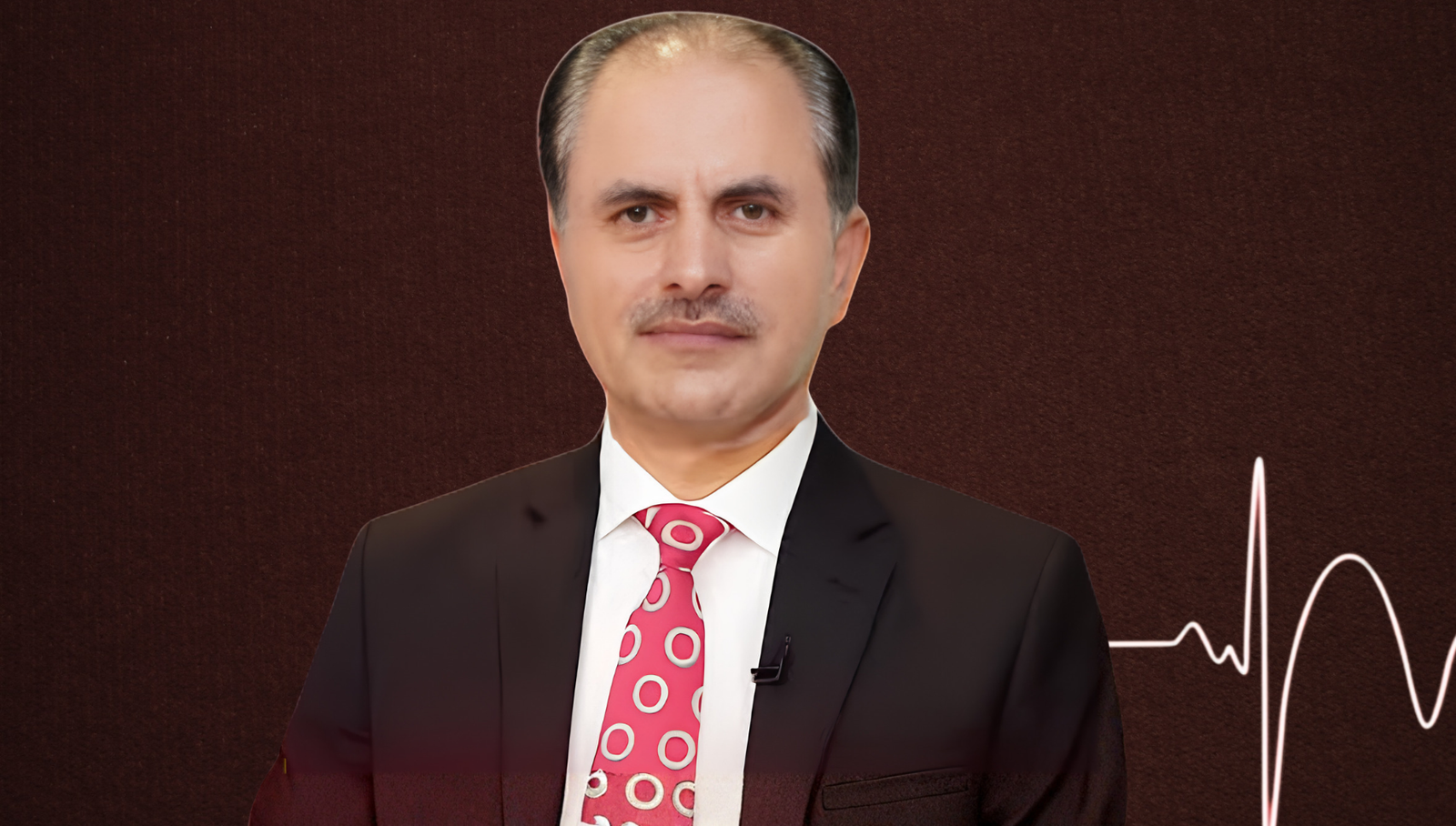
ISLAMABAD: Director Cardiac Centre at the Pakistan Institute of Medical Sciences (PIMS), Dr. Syed Nasir Ali Gardezi, has emphasized that a balanced diet, regular physical activity and a disciplined lifestyle are essential for maintaining good health and preventing heart diseases.
Speaking during a programme on Sada-e-Sach TV, hosted by senior journalist and analyst Syed Tabassum Abbas Shah, Dr. Gardezi said that healthy eating habits play a vital role in protecting the heart and reducing the risk of various lifestyle-related diseases.
He advised people to include fresh fruits, vegetables and white meat in their daily diet while limiting the consumption of red meat, high-fat foods, bakery products, cream-based items, energy drinks and fast food.
Dr. Gardezi observed that people in the past generally consumed more natural and freshly produced agricultural food. However, changing food habits, increased consumption of processed products, artificially prepared food items and preservatives have raised concerns about their potential impact on public health.
He stressed that a simple, balanced and well-organized lifestyle could significantly help reduce health risks. Maintaining a healthy body weight and keeping Body Mass Index (BMI), blood pressure, blood sugar and cholesterol levels within normal ranges are particularly important.
Highlighting the importance of physical activity, the cardiac specialist advised people to avoid smoking, eat meals on time, maintain proper sleeping routines and incorporate daily exercise into their lifestyles.
He recommended walking for at least 45 minutes a day, five days a week, adding that walking between 6,000 and 10,000 steps daily could help improve cardiovascular fitness and metabolism.
Dr. Gardezi further emphasized that preventing heart disease requires more than relying on medication. People must adopt healthier eating habits, remain physically active and regularly monitor important health indicators.
He concluded that preventive measures, disciplined daily routines and healthier lifestyle choices are essential for enjoying a longer, healthier and more active life.
Health
Prolonged Morning Naps May Signal Declining Health in Older Adults, Study Finds

A new scientific study has revealed that certain daytime sleeping habits may indicate declining health and an increased risk of death in older age.
Scientists from Mass General Brigham and Rush University Medical Center in the United States monitored 1,338 older adults over a period of 19 years. The participants had an average age of 81.
According to the study, people who routinely took naps in the morning had a 30 per cent higher risk of death than those who napped in the early afternoon.
Published in the journal JAMA Network Open, the study used special wrist-worn monitors to assess participants’ sleep patterns and physical activity.
The findings showed that every additional hour of daytime napping was associated with a 13 per cent increase in the risk of death. Similarly, each additional daily nap was linked to a 7 per cent higher risk.
According to the researchers, these results remained consistent even after accounting for other illnesses, health-related factors and nighttime sleep.
Scientists say that excessive daytime sleeping in older adults may be a sign of declining health and changes in the body’s functioning.
However, the researchers clarified that daytime sleeping itself was not proven to cause illness or death. Rather, it may serve as a potential indicator of health problems associated with ageing.
Health
Why Drinking Enough Water in Winter Is Essential for Your Health

Staying hydrated is just as important during winter as it is in summer. Although people tend to drink less water in colder weather because they feel less thirsty, maintaining adequate water intake is essential for the body’s normal functioning and overall health.
Water makes up approximately 60 per cent of the human body and plays a vital role in regulating body temperature, supporting brain function, aiding digestion and maintaining several other bodily processes.
Here are some important health benefits of drinking enough water during the colder months.
1. Boosts Physical Performance
Even mild dehydration can affect physical performance and make everyday activities more exhausting. It may increase fatigue, reduce physical endurance and interfere with the body’s ability to regulate temperature.
Drinking sufficient water helps maintain energy levels, supports muscle function and enables the body to perform physical activities more effectively.
2. Keeps the Brain Active and Focused
The brain is particularly sensitive to changes in hydration levels. Even mild dehydration can affect concentration, mood and mental performance.
Research suggests that inadequate water intake may contribute to irritability, difficulty concentrating, fatigue and anxiety-like symptoms.
Maintaining proper hydration helps support normal brain function and mental alertness.
3. Helps Reduce Headaches
Headaches are among the common symptoms associated with dehydration. Insufficient water intake may also trigger or worsen migraine symptoms in some people.
Drinking water regularly can help prevent dehydration-related headaches and, in certain cases, reduce their intensity.
4. Supports Digestion and Prevents Constipation
Water plays an important role in maintaining a healthy digestive system. Inadequate fluid intake can make stools harder and more difficult to pass, increasing the risk of constipation.
Drinking enough water helps soften stools and supports regular bowel movements, particularly when combined with a fibre-rich diet.
5. Lowers the Risk of Kidney Stones
Adequate water intake is essential for kidney health. When the body does not receive enough fluids, urine becomes more concentrated, increasing the likelihood of minerals forming crystals that may develop into kidney stones.
Drinking sufficient water helps dilute urine and flush minerals out of the body, reducing the risk of stone formation.
6. May Support Weight Management
Drinking water can also contribute to healthy weight management. It may help people feel fuller, particularly when consumed before meals, potentially reducing overall calorie intake.
Some research suggests that drinking water may temporarily increase the number of calories the body burns.
Having a glass of water around 30 minutes before meals may help support portion control and weight-management efforts.
7. Helps Prevent Bad Breath
Dry mouth is one of the common causes of bad breath. Saliva helps wash away food particles and control bacteria inside the mouth.
When the body becomes dehydrated, saliva production may decrease, allowing bacteria to multiply and unpleasant odours to develop.
Drinking water throughout the day helps maintain moisture in the mouth, supports saliva production and reduces the likelihood of dehydration-related bad breath.
Make Hydration a Daily Winter Habit
Feeling less thirsty during winter does not mean the body needs less water. Regular fluid intake, water-rich foods and paying attention to signs of dehydration can help maintain good health throughout the colder months.
Note: This article is for general information and is based on health information discussed in medical research. Individual water requirements vary depending on age, activity level and health conditions. Consult a healthcare professional for personalised advice.
Health
Pakistan Ranks First Worldwide in Diabetes Prevalence as Patient Numbers Reach 35 Million

Pakistan has ranked first globally in terms of the number of people living with diabetes, with the number of patients in the country reaching 35 million.
According to the World Health Organization (WHO), the number of people with diabetes in Pakistan has reached 35 million. Experts believe the actual figure could be significantly higher, as many people have not yet undergone testing.
A sedentary lifestyle, excessive consumption of sugary and fatty foods, and obesity are among the major contributing factors.
Diabetes specialist Dr. Fahad Jan Mian says Pakistan is witnessing one of the world’s fastest-growing rates of diabetes. He has also expressed concern over the increasing prevalence of the disease among children and young people.
According to him, poor dietary habits are a major reason behind this trend. Children increasingly avoid home-cooked meals and prefer fast food, soft drinks, bakery products, and frequent outings and dinners. Physical activity and exercise have also become increasingly limited.
Experts warn that diabetes can lead to serious health complications, including vision loss, kidney disease, and heart problems.
Diabetes specialist Dr. Saira Bashir says the disease affects both men and women and can damage almost every part of the body, from the eyes to the feet.
She advises people to take preventive measures and, if diagnosed with diabetes, consult a doctor on time to avoid complications. She warns that once serious complications develop, reversing their effects can become extremely difficult.
Type 1 diabetes is associated with genetic and autoimmune factors, while Type 2 diabetes is closely linked to lifestyle and metabolic factors.
The government claims that emergency measures are being taken to control the spread of the disease.
The rising number of diabetes patients has also placed a significant burden on hospitals. Experts emphasize that maintaining a balanced diet and making regular exercise part of daily life are essential steps towards preventing diabetes and reducing its complications.

Healthy Diet and Balanced Lifestyle Essential for Preventing Heart Diseases: Dr. Nasir Ali Gardezi
ISLAMABAD: Director Cardiac Centre at the Pakistan Institute of Medical Sciences (PIMS), Dr. Syed Nasir Ali Gardezi, has emphasized that...


Pakistani-Canadian Zeeshan Wahla Earns Key Cabinet Position in British Columbia, Appointed Minister of State for Housing
ISLAMABAD: Pakistani-origin Canadian Zeeshan Wahla has secured a prominent position in the newly formed provincial government of British Columbia, marking...


Six Assembly Seats, But Not a Single Cabinet Minister: Why Have Chakwal and Talagang Been Sidelined?
Islamabad (Special Report) A major political question has emerged for the people of Chakwal and Talagang, the land of Ghazis...


Imran Khan and Bushra Bibi’s Appeals in 190 Million Pound Case Scheduled for November 25
ISLAMABAD: The Islamabad High Court has formally scheduled appeals filed by former PTI chairman Imran Khan and his wife, Bushra...


Russia Launches Massive Drone and Missile Attack on Ukraine, Killing 8
KYIV: Russia has launched a massive attack on Ukraine, firing more than 400 drones and over 110 missiles across the...


Saudi Arabia Intercepts Three Houthi Ballistic Missiles Fired Toward Riyadh
RIYADH: Brigadier General Turki Al-Maliki, spokesperson for the Coalition Forces Supporting Yemen, has confirmed that Houthi militants attempted to target...


Iran Claims to Have Shot Down Another US MQ-9 Drone in the Strait of Hormuz
TEHRAN: Iran’s Islamic Revolutionary Guard Corps (IRGC) has claimed that its Aerospace Force shot down another US MQ-9 drone in...


Journalist Soban Iftikhar Raja Placed on Fourth Schedule; Journalist Community Expresses Strong Concern
ISLAMABAD: The inclusion of Soban Iftikhar Raja, a journalist associated with the international news broadcaster Urdu News, on the Fourth...


Government Announces New Petrol and Diesel Prices in Pakistan
KARACHI: The government has announced new prices of petrol and diesel in Pakistan, with petrol becoming cheaper and diesel witnessing...


US Launches Missile Strike on Iran’s Qeshm Island
TEHRAN: The United States has carried out a missile strike on Iran’s Qeshm Island, with no details of casualties or...
-

 Health7 months ago
Punjab Govt Opens Admissions for Lady Health Visitor Course
-

 Articles1 year ago
A Glimpse At Maj. Gen. Irfan Malik’s 02 Year Tenure
-

 Latest1 year ago
Punjab CM Maryam refuses to apologise, hits out at critics again
-

 Latest3 weeks ago
FDE holds Annual Awards Ceremony to Honor Intermediate Position Holders
-

 Latest12 months ago
Digital Pakistan and the Imperative of Implementing the National AI Policy
-

 Latest6 months ago
South Air ready to launch regional flight operations, connecting regions of pakistan
-

 Latest7 months ago
OPF Chairman Qamar Raza Naqvi Receives Warm Welcome from Pakistani Community in US
-

 Articles12 months ago
Golden Hour: A Dialogue of Light, River and Silence