
Latest
Sindh Auqaf’s Delays Ignite Statewide Unrest Over the Masooma-e-Sindh Shrine Construction

HYDERABAD: After consistently countering the prolonged mischief and various schemes of extremist groups, the construction of the sacred mausoleum of Masooma-e-Sindh, Bibi Maham Khadija (SA) bint Imam Musa Kazim (AS), finally began under the clear directives of the Sindh High Court Circuit Bench Hyderabad.
However, due to the delaying tactics and obstructive methods employed by certain officials within the Auqaf Department Sindh itself, the construction of the holy shrine has been completely halted for several months without any valid reason.
Despite widespread and prolonged public protests, the construction remains entirely suspended—reflecting that these intense and persistent demonstrations have had no impact on the concerned officials of the Auqaf Department, who appear determined to continue their conspiratorial delay tactics.
Their apathy has created deep anxiety and unrest among thousands of pilgrims who visit from across the country and continue to suffer various hardships due to the halt in construction. This growing frustration is pushing them toward public protest against the conduct of the Auqaf officials. Yet, the construction of the Mausoleum of Masooma-e-Sindh remains at a complete standstill.
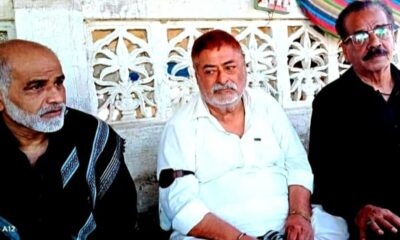
These views were expressed by Sindh’s renowned and senior Noha Khwans—Mir Imdad Ali Peeral Talpur, Agha Syed Mehr Ali Shah, and others, while addressing an important meeting of Noha Khwans from various cities of Sindh, held at Abbasi Library, Qasimabad.
They stated that if certain officials within the Auqaf Department do not cease these obstructive tactics, the Noha Khwans of Sindh will begin a series of visits across the province to mobilize Azadars for province-wide protests.
Following this, a major press conference will be held at the Karachi Press Club in January, during which a phase-wise protest movement will be announced against the regrettable conduct of the Auqaf Department.
Latest
Relief & Compensation Package for Tarlai Kalan Victims Launched on PM Shehbaz Sharif’s Directives
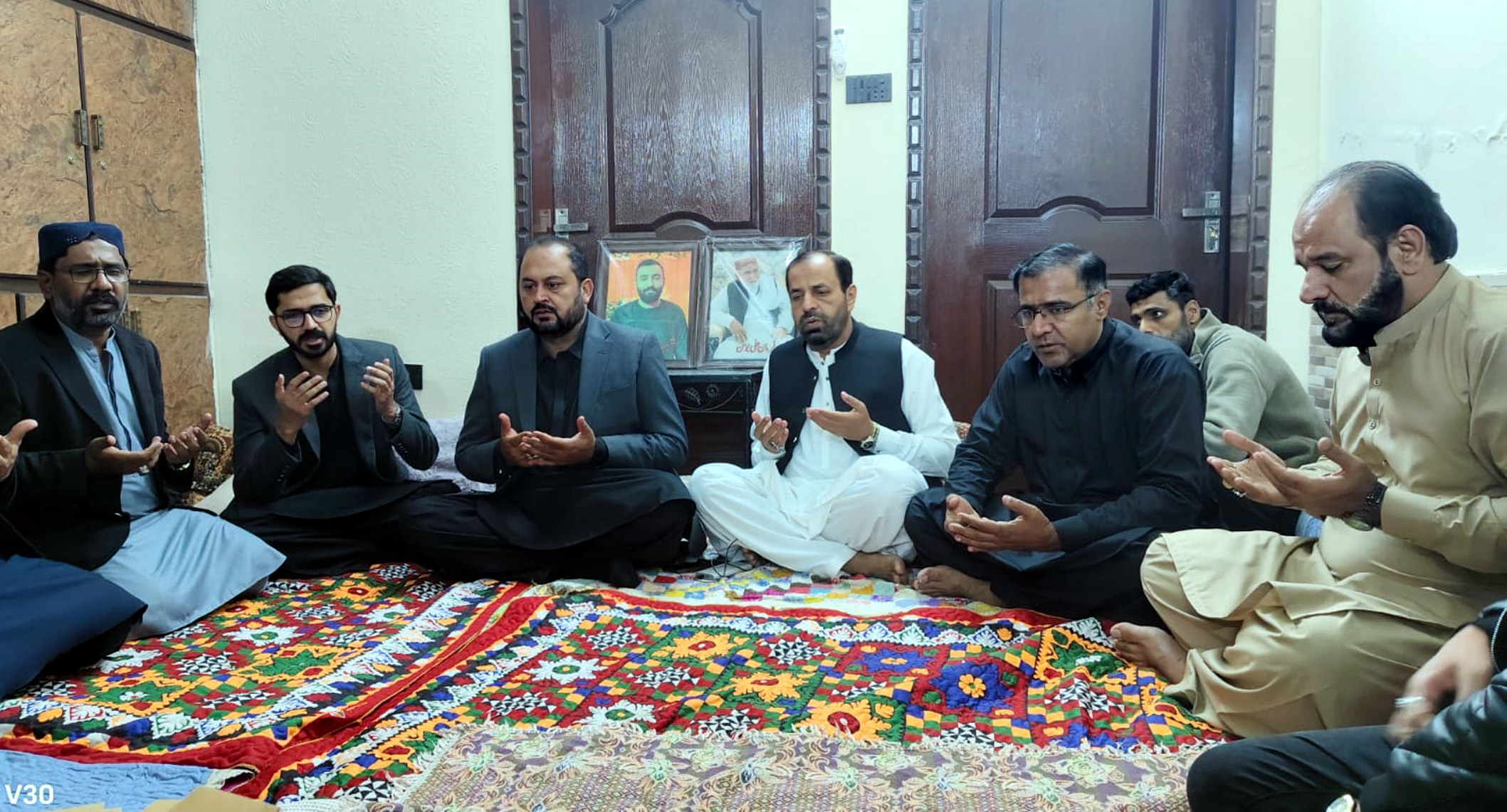
Islamabad: The Government of Pakistan has formally commenced the implementation of the relief and compensation package announced by Prime Minister Shehbaz Sharif for the families of the martyrs and those injured in the Tarlai Kalan incident.
As part of the first phase of disbursement, the Prime Minister’s Youth Programme Focal Person, Syed Zeeshan Ali Naqvi, accompanied by Assistant Commissioner Yasir Nazeer, visited the homes of the martyrs on Sunday to personally hand over compensation cheques worth Rs. 5 million each to the bereaved families.
During the visits, prayers were offered for the elevation of the martyrs’ ranks, and heartfelt condolences were conveyed to their families.
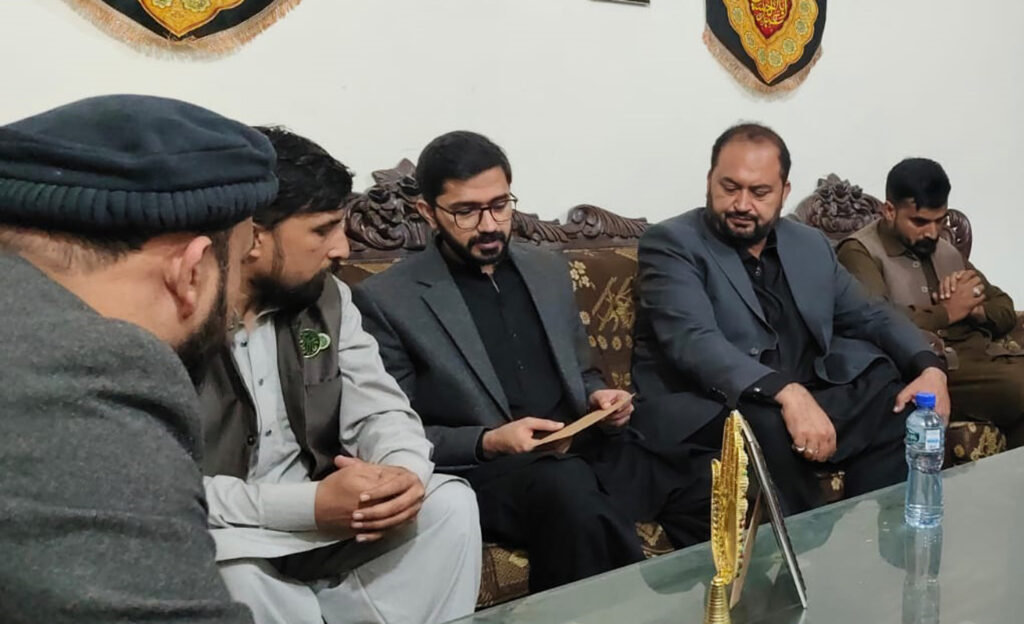
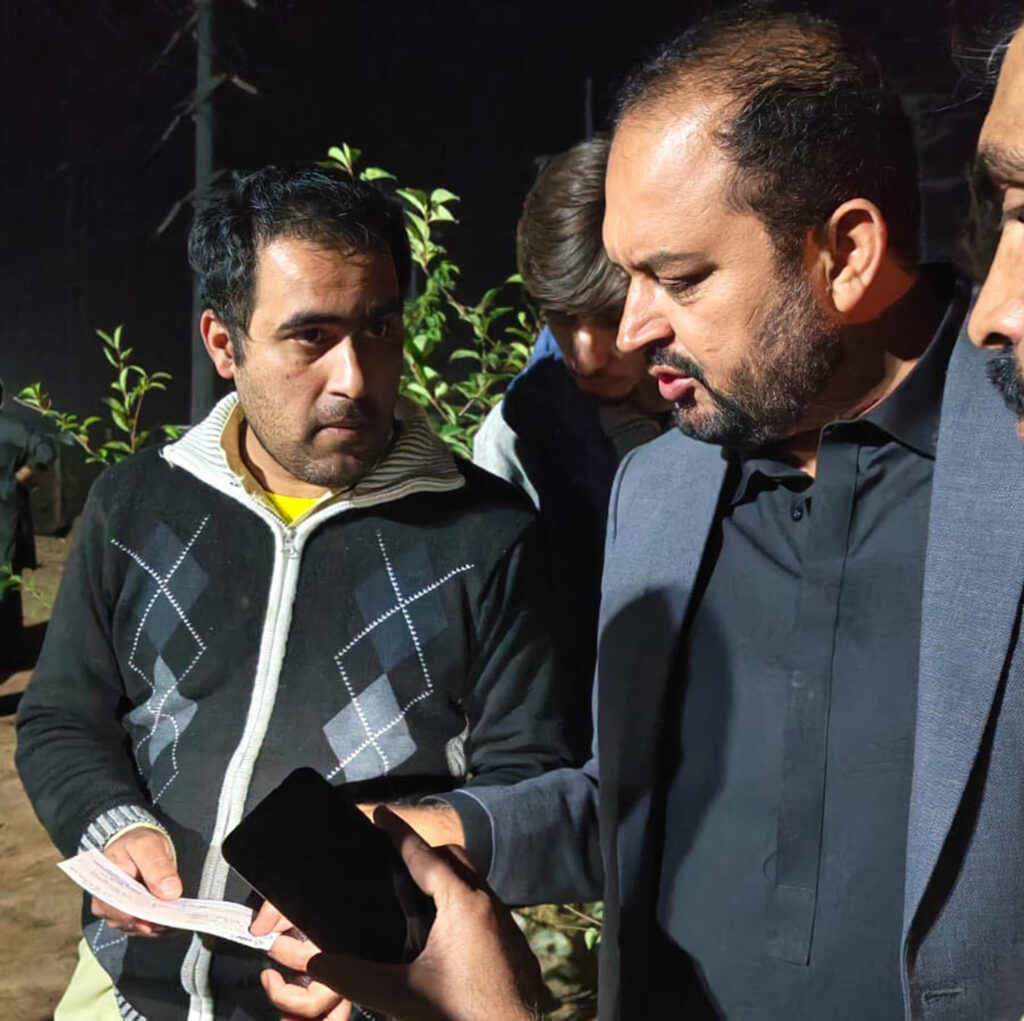
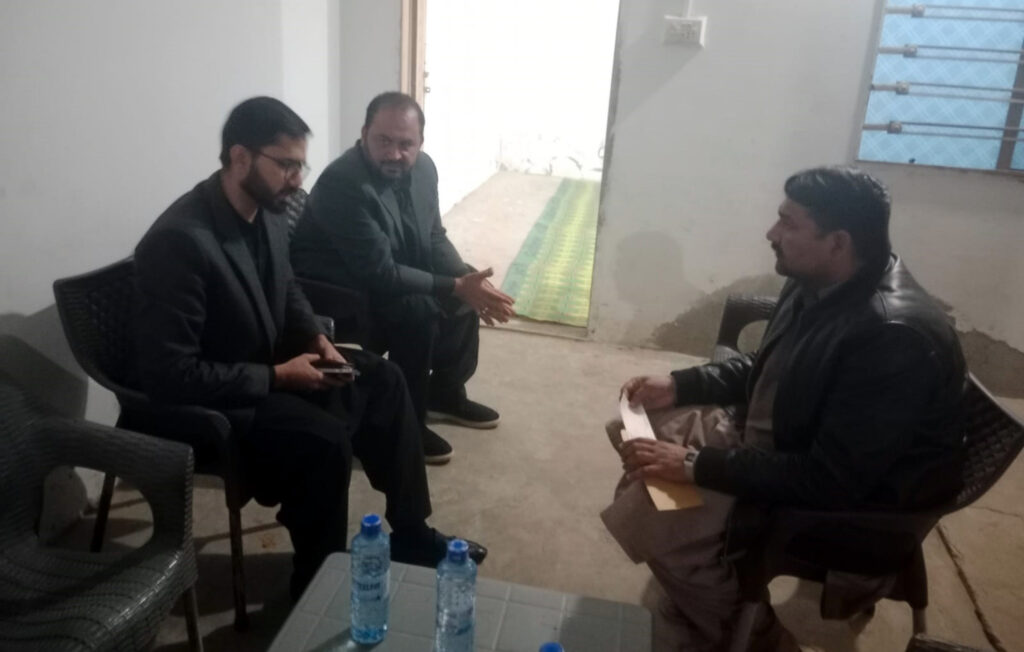
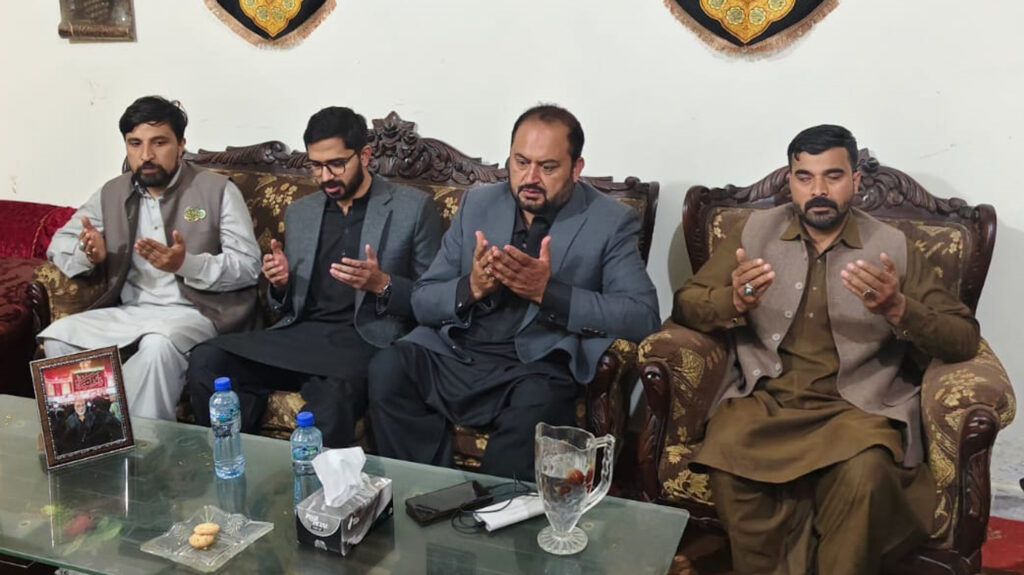
Sources confirmed that the distribution process for all remaining families of the martyrs, as well as for the injured, will be completed within the coming week to ensure timely financial support.
Earlier, Prime Minister Shehbaz Sharif had announced a comprehensive compensation package, under which Rs. 5 million would be provided to each family of the martyrs, Rs. 3 million to the critically injured, and Rs. 1 million to those who sustained minor injuries.
The families of the martyrs and other affected residents of Tarlai Kalan expressed their appreciation to Prime Minister Shehbaz Sharif, Federal Interior Minister Mohsin Naqvi, and the federal government for their prompt response and support during this difficult time.
Exclusive
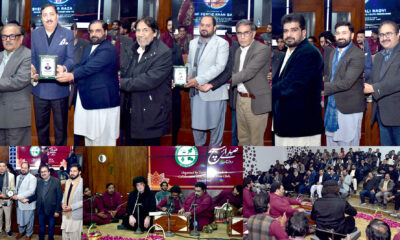
OPF Chairman Stresses Sufi Teachings at Awards Ceremony Recognizing National Icons
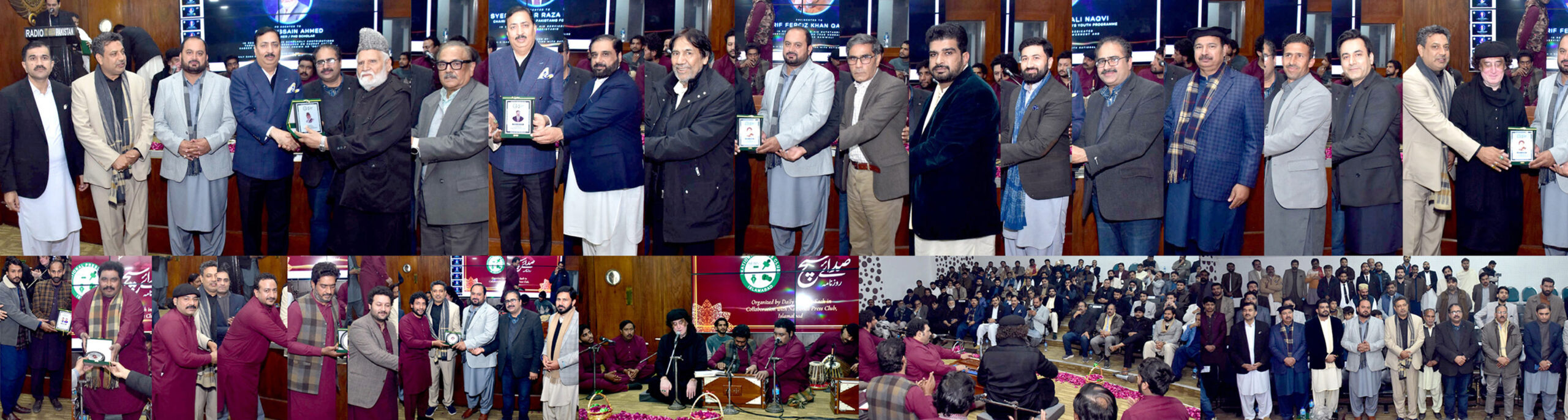
Islamabad: Chairman Overseas Pakistanis Foundation (OPF) Syed Qamar Raza Naqvi said that Hazrat Lal Shahbaz Qalandar taught humanity the values of love, tolerance, and service to mankind. He added that if the teachings of saints are adopted in practical life, half of society’s problems would automatically be resolved.
He expressed these views while addressing the concluding ceremony of “Sham-e-Qalandar”, jointly organized by the National Press Club and Daily Sada-e-Sach at the Mehdi Hassan Auditorium, Radio Pakistan, Islamabad where awards and honors were distributed among outstanding individuals from various fields across the country.
The evening began with soulful qawwali performances by Jawad Ali Malang and Bakht Ali Dhudial, which were taken to spiritual heights by renowned Pakistani qawwal Arif Feroz Khan. His distinctive style filled the gathering with deep spiritual emotion, leaving many in the audience moved to tears.
Addressing the ceremony, the OPF Chairman said that personalities like Arif Feroz Khan are a national pride who have spread the true message of Islam and introduced many non-Muslims to its teachings. He emphasized that the awards presented to high-achieving individuals from diverse fields are not merely honors but beacons of guidance for the entire nation, reminding everyone that true success lies in service and dedication.
Chief Editor Daily Sada-e-Sach, Syed Tabassum Abbas Shah, and President National Press Club, Azhar Jatoi, welcomed all participants. Prominent personalities and experts from various walks of life attended the ceremony. Chairman OPF Syed Qamar Raza Naqvi was the Chief Guest and Prime Minister’s Focal Person for the Youth Programme Syed Zeeshan Ali Naqvi attended as Special Guest.
During the awards ceremony, honors were conferred upon distinguished individuals for their exceptional services. Arif Feroz Khan (Qawwal) was awarded the title “Safeer-e-Mawaddat” for conveying the true message of Islam to non-Muslims. Renowned geologist Dr. Rafiq-ul-Hasan Baqri, author of over 100 books and discoverer of several oil and gas reserves, was also honored.
Dr. Hussain Ahmed, a PhD scholar who did PhD on Hazrat Ameer Kabeer Syed Ali Hamdan (Shah Hamdan) from NUML University, and Dr. Shahid Abbas, recognized globally for research in allergy, vaccines, and modern medicines, received awards for bringing international recognition to Pakistan.
Former Director General Federal Directorate of Education Dr. Ali Ahmed Kharal was honored for improving educational standards in the federal capital. Environmental writer Chaudhry Muhammad Arshad was recognized for raising awareness about climate change in Pakistan and abroad.
Raja Haroon Hafeez received an award for his valuable services in sports nationally and internationally, while businessman Chaudhry Farrukh Raza was honored for organizing Pakistan’s largest celebration on the birth of the grandson of the Holy Prophet (PBUH).
Dr. Abbas Shah was awarded the title “Health Ambassador” for successfully treating thousands of patients and encouraging medical tourism to Pakistan. For promoting the message and remembrance of Imam Hussain (AS) among youth, Syed Joun Ali Kazmi (Salar Karwan-e-Shah-e-Chiragh) was awarded “Salar-e-Pakistan.”
Prime Minister’s Focal Person Syed Zeeshan Ali Naqvi received the title “Youth Ambassador” for his continuous efforts toward youth development beyond political affiliations. Chairman OPF Syed Qamar Raza Naqvi was conferred “Overseas Ambassador” for his services to overseas Pakistanis and for improving Pakistan’s global image.
Jawad Ali Malang and Bakht Ali Dhudial received “Young Singer Awards.” Principal Information Officer Press Information Department Mubashir Hassan was honored as “Best PR Professional” for strengthening government-media relations, while Ali Nawaz Malik received the “Best Press Minister” award for effectively highlighting Pakistan’s stance abroad and countering negative propaganda.
Awards were also announced for Provincial Secretary Information & Culture Syed Tahir Raza Hamdani, Director General Radio Pakistan Saeed Ahmed Sheikh, DG PID Lahore Shafqat Abbas, and Director Minister Office Ministry of Information & Broadcasting Amir Raza Malik for their services. Additionally, President PFUJ Afzal Butt was honored for his notable services for press freedom, Dr. Syed Nasir Ali Shah was honored for services in cardiac care, Dr. Tafazal Malik for rehabilitation of disabled patients in Pakistan and USA and Director Federal Government Employees Housing Authority Syed Kazim Abbas for his outstanding public service.
The event was gracefully hosted by Tassawar Zaman Babar who was also awarded Best Compere in recognition of his professional and dignified conduct.
The gathering not only highlighted spiritual devotion but also celebrated individuals who have made significant contributions to human welfare and societal development, a purpose highly appreciated by the participants.
Articles
Pakistan vs Sri Lanka: A Thrilling Contest Showcases Competitive Cricket
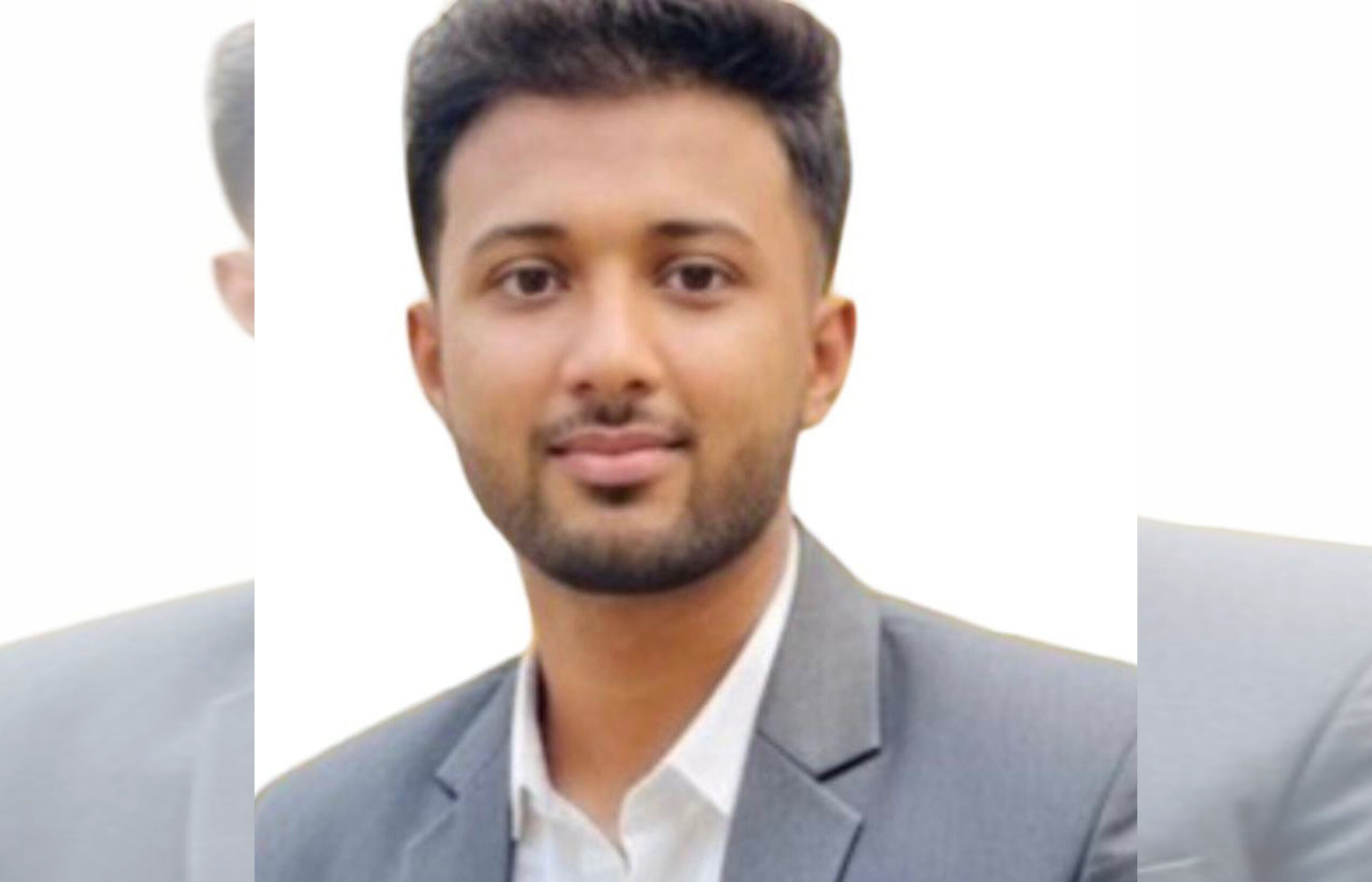
By Shahmeer Shahnawaz
The much-anticipated clash between Pakistan and Sri Lanka once again delivered an exciting display of competitive cricket, keeping fans on the edge of their seats. Both teams entered the match with strong line-ups and a clear determination to dominate, making the encounter a treat for cricket lovers.
Pakistan showcased disciplined bowling and aggressive batting intent, applying pressure at crucial moments of the game. The bowlers maintained tight lines and lengths, while the batters played with confidence, rotating the strike effectively and capitalizing on scoring opportunities.
Sri Lanka, known for their resilience, responded with fighting spirit. Their players showed composure under pressure, combining solid defense with timely attacking shots. The team’s fielding effort and tactical awareness added intensity to the contest, reflecting their growing strength in international cricket.
The match highlighted the depth of talent on both sides and reinforced the historic rivalry between Pakistan and Sri Lanka. Moments of brilliance, strategic battles, and passionate performances made the game a memorable one for fans across the globe.
As both teams continue their international campaigns, this encounter served as an important benchmark, offering valuable insights and momentum for upcoming fixtures. Cricket enthusiasts now eagerly look forward to the next chapter in this exciting rivalry.

Relief & Compensation Package for Tarlai Kalan Victims Launched on PM Shehbaz Sharif’s Directives
Islamabad: The Government of Pakistan has formally commenced the implementation of the relief and compensation package announced by Prime Minister...

OPF Chairman Stresses Sufi Teachings at Awards Ceremony Recognizing National Icons
Islamabad: Chairman Overseas Pakistanis Foundation (OPF) Syed Qamar Raza Naqvi said that Hazrat Lal Shahbaz Qalandar taught humanity the values...

Pakistan vs Sri Lanka: A Thrilling Contest Showcases Competitive Cricket
By Shahmeer Shahnawaz The much-anticipated clash between Pakistan and Sri Lanka once again delivered an exciting display of competitive cricket,...

Sindh Auqaf’s Delays Ignite Statewide Unrest Over the Masooma-e-Sindh Shrine Construction
HYDERABAD: After consistently countering the prolonged mischief and various schemes of extremist groups, the construction of the sacred mausoleum of...


Digital Pakistan and the Imperative of Implementing the National AI Policy
By Nisar Hussain Column: Diwan-e-Aam The world is passing through a new industrial and technological wave that can rightly be...


Golden Hour: A Dialogue of Light, River and Silence
By Nisar HussainColumn: Diwan-e-Aam They say every city has an hour of pure beauty, but Melbourne’s hour of radiance is...

Government firm on resolving business community challenges: Hanif Abbasi
Islamabad: Federal Minister for Railways Muhammad Hanif Abbasi on Saturday inaugurated the newly renovated Munawar Mughal Hall at the Islamabad...
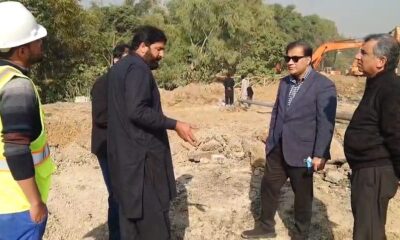

Chairman CDA directed to Complete Shaheen Chowk Underpass in Time
ISLAMABAD: Chairman Capital Development Authority (CDA) and Chief Commissioner Islamabad, Muhammad Ali Randhawa, visited the Shaheen Chowk Underpass project along...
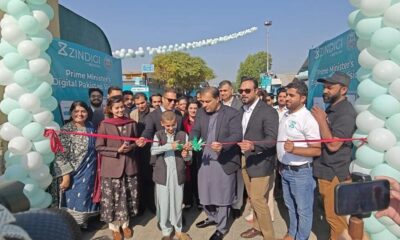

Islamabad Inaugurates Its First Fully Cashless Weekly Bazaar
ISLAMABAD: Another significant milestone has been achieved in the mission to transform the Federal Capital, Islamabad, into a cashless and...


Businesswoman’s Petrol Pump Illegally Seized — FIR Registered Against Two Accused
Fateh Jang: A Lahore-based businesswoman, Ms. Shaheen Khalid, wife of Khalid Sultan, has lodged FIR No. 797/25 at Police Station...
-
Latest4 months ago
Digital Pakistan and the Imperative of Implementing the National AI Policy
-
 Articles6 months ago
A Glimpse At Maj. Gen. Irfan Malik’s 02 Year Tenure
-
 Latest6 months ago
Punjab CM Maryam refuses to apologise, hits out at critics again
-

 Latest6 months ago
Bomb explodes near Quetta’s Zarghoon Road
-
Latest5 months ago
Businesswoman’s Petrol Pump Illegally Seized — FIR Registered Against Two Accused
-
Latest4 months ago
Chairman CDA directed to Complete Shaheen Chowk Underpass in Time
-
Articles4 months ago
Golden Hour: A Dialogue of Light, River and Silence
-

 Latest6 months ago
Chehlum and Fateha Khawani Held in Karachi for Veteran Journalist Munawar Naqvi