
Latest
Amid Mideast crisis, Pakistan facilitating dialogue to promote regional peace, Amb. Asim tells US War College team
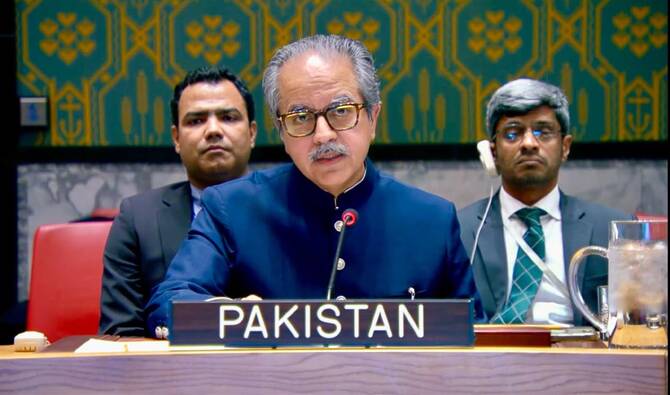
UNITED NATIONS: Highlighting the serious risks the Middle East crisis poses to international peace, Pakistan’s UN Ambassador Asim Iftikhar Ahmad told a delegation from the U.S. War college that Islamabad is actively fostering dialogue and contributing towards diplomatic efforts aimed at promoting regional stability.
Speaking to the 40-member delegation, which visited the Pakistani Mission to the UN on Monday, he emphasized Pakistan’s “constructive role” in promoting regional peace, stability, dialogue and diplomacy, especially with respect to its mediatory role between the United States and Iran.
The delegation, led by Col. Stephan Walters, consisted of 33 American participants as well as two from Pakistan, and one each from Turkiye, Sri Lanka, Moldova, Guatemala and Ecuador.
Dealing with the Middle East crisis, Ambassador Asim Ahmad, who was answering questions, said it had far-reaching global consequences extending well beyond the region. He pointed out its impact on global energy markets, oil and gas supplies, fertilizer availability, food security, inflation, maritime navigation, merchandise trade, and global economic growth projections.
Referring to the disruption in the Strait of Hormuz, he underlined the serious implications for international energy flows and trade routes. The United Nations, he said, had examined various scenarios assessing the consequences of a prolonged crisis. Pakistan, too, had experienced its economic effects arising from regional instability.
Beyond economic concerns, the crisis posed serious risks to regional and international peace and security, the Pakistani envoy said. Pakistan supported efforts for de-escalation, dialogue, and diplomacy, he said, noting its engagement with the United States, Iran, Gulf countries, Egypt, China, Turkiye, and other partners was aimed at preventing further escalation and creating conditions conducive to peaceful dialogue.
Pakistan’s balanced, principled, and objective approach, he said, had enabled it to maintain trust and engagement with all relevant stakeholders, noting that Islamabad’s close relations with the United States, Iran, Gulf countries, and major international powers, together with its current membership of the Security Council, positioned it well to facilitate dialogue and contribute constructively to diplomatic efforts aimed at regional peace and stability.
Discussing the evolving security environment in the Middle East and Gulf region, Ambassador Asim Ahmad that recent developments may lead to renewed thinking regarding regional security arrangements and strategic alignments. In this regard, he emphasized that future security frameworks should remain grounded in international law, the UN Charter, collective security, mutual respect for sovereignty, and equal security for all states.
The ambassador also underlined Pakistan’s deep interest in peace and stability in the Persian Gulf region, noting the country’s longstanding economic, energy, security, and people-to-people ties with those states, including the presence of millions of Pakistanis living and working there.
Responding to questions on Islamophobia, the Pakistani envoy explained that the phenomenon refers to discrimination, marginalization, or victimization of Muslims based on their faith. Freedom of religion and belief is a fundamental human right, he said, emphasizing the importance of fostering respect, inclusion, and interfaith harmony.
He pointed out that Pakistan, together with like-minded countries, played a leading role at the United Nations in advancing efforts to combat Islamophobia, including support for the establishment of a UN Special Envoy to Combat Islamophobia tasked with developing recommendations and action-oriented initiatives for member states.
On questions relating to demographic change, population shifts, aging societies, and birth rates, he said these issues are increasingly being discussed within the United Nations framework in the context of development, human rights, economic policy, and technological transformation.
He noted that artificial intelligence is playing a growing role in supporting governments and UN agencies through data analysis, policy recommendations, and forecasting tools, saying that the influence of AI on policymaking is expected to expand further in the years ahead.
At the outset, Ambassador Asim Ahmad reaffirmed Pakistan’s deep and abiding commitment to the United Nations and multilateralism, describing the world body as the central platform for collective action on international peace and security, development, human rights, climate change, and emerging challenges including artificial intelligence and information technology.
He emphasized that today’s global challenges were too complex and interconnected for any single country to address alone, highlighting the continued importance of multilateral cooperation through the UN platform.There was a need for UN to evolve in response to changing global realities and noted ongoing reform efforts, including revitalization of the General Assembly and the Security Council reform. Pakistan’s supported democratic, transparent, and accountable reforms of the Security Council while opposing the creation of new permanent seats.
Ambassador Asim Ahmad underscored Pakistan’s active role as a current member of the Security Council in promoting international peace and security, including through peacekeeping, counterterrorism, regional stability, and advocacy for peaceful settlement of disputes.
He also highlighted the broad-based and dynamic relationship between Pakistan and the United States, encompassing security, defense, intelligence, counter-terrorism, economic cooperation, trade, and strong people-to-people ties.
Addressing the relationship between artificial intelligence and human rights, Ambassador Asim Ahmad emphasized that AI is becoming increasingly significant in governmental and institutional decision-making processes. He noted that the growing use of AI would inevitably raise important human rights considerations, making the subject an increasingly prominent area of discussion within the United Nations system.
people-to-people ties with those states, including the presence of millions of Pakistanis living and working there.
On their part, participants thanked the Mission for facilitating a meaningful exchange on contemporary global challenges, and acknowledged Pakistan’s active role in diplomacy, mediation, and peacebuilding efforts at the United Nations.
Earlier, Ms. Saima Saleem, a Mission’s counsellor, and Col. Umar Shafique, Military and Police Advisor at the Pakistan Mission, gave detailed presentations to the participants about the work of the Mission across different UN pillars as well as contribution to UN peacekeeping respectively.
Exclusive
Six Assembly Seats, But Not a Single Cabinet Minister: Why Have Chakwal and Talagang Been Sidelined?
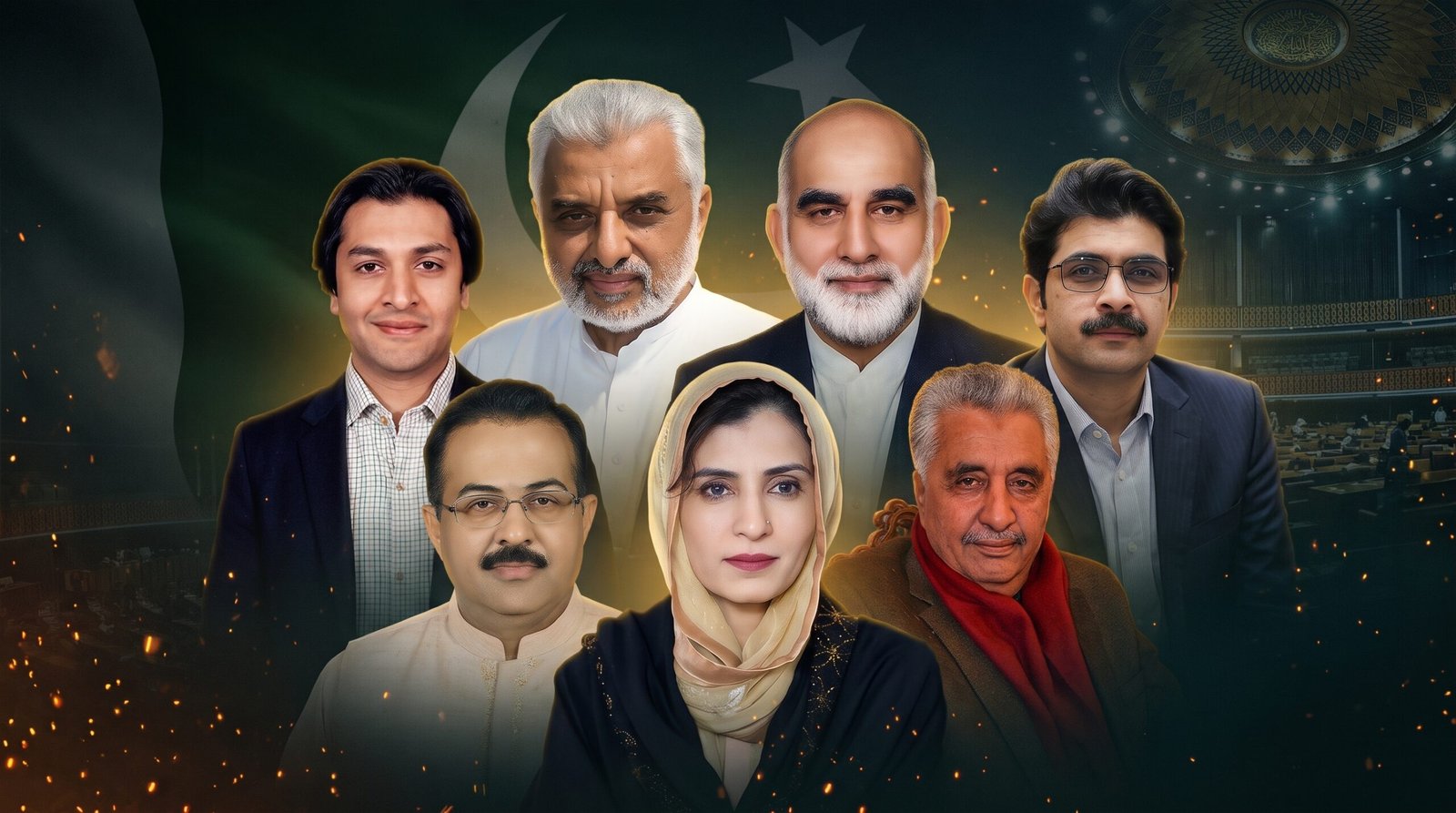
Islamabad (Special Report) A major political question has emerged for the people of Chakwal and Talagang, the land of Ghazis and martyrs. Despite having representation on two National Assembly and four Punjab Assembly seats, not a single elected representative from the region has been included in the current federal or Punjab cabinet as a minister.
Why has this politically significant region failed to secure a place in the corridors of government decision-making? The people of Chakwal and Talagang, who voted in confidence in the leadership of Prime Minister Mian Shehbaz Sharif and Punjab Chief Minister Maryam Nawaz Sharif, now want to know the reasons behind the exclusion of their elected representatives from the cabinets.
Chakwal and Talagang are not merely the names of two districts or a few electoral constituencies. This is a region that has always offered its sons in the defence of the country. A long list of officers and soldiers serving in the Pakistan Army, along with Ghazis and martyrs, is part of the identity of this land. Politically, too, the region has always held significance, and its people have elected representatives to the national and provincial assemblies in different periods.
Currently, the region is represented in the National Assembly by Major (retd) Tahir Iqbal from NA-58 Chakwal and Sardar Ghulam Abbas from NA-59 Talagang-cum-Chakwal.
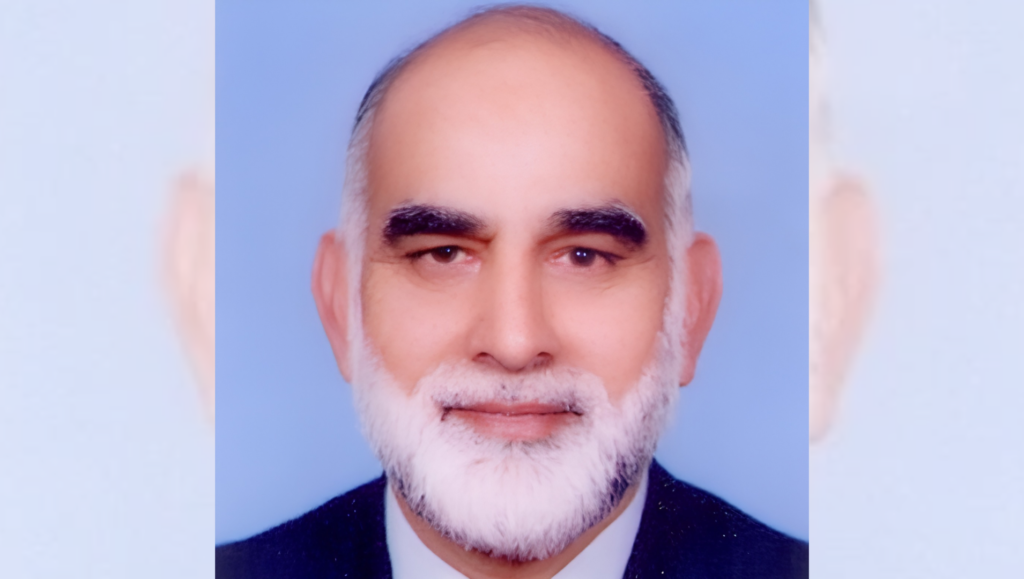
Major (Retd.) Tahir Iqbal has previously served as Federal Minister for Kashmir Affairs and Federal Minister for Environment during the government of General Pervez Musharraf. Before him, his uncle, General Abdul Majeed Malik, had always been part of Nawaz Sharif’s cabinets.
Before the last general election, there were indications that the PML-N leadership was considering awarding the NA-58 ticket to Sardar Ghulam Abbas. However, the party eventually changed its decision at the eleventh hour and awarded the ticket to Major Tahir Iqbal instead. Political circles attributed the last-minute change to influential connections involving Dr Ayesha Aisani, daughter-in-law of the late General Abdul Majeed Malik.
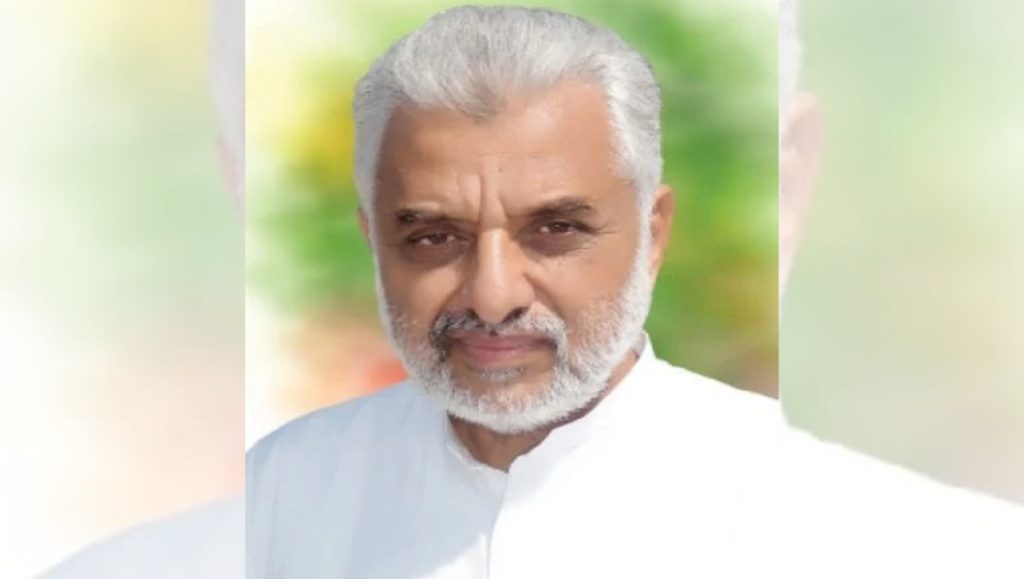
Sardar Ghulam Abbas, meanwhile, is among Chakwal’s most senior and influential politicians. During Benazir Bhutto’s government, he served as Punjab’s Provincial Minister for Labour and later held the office of district nazim twice.
He carried out so much development work in Chakwal that there was a time when no Member of the National or Provincial Assembly from either of the two constituencies of Chakwal and Talagang could get elected without his support.
However, during the previous political period, he faced considerable political pressure and difficulties. He was reportedly subjected to political victimisation following corruption complaints against former DG ISI Gen (R) Faiz Hameed’s brother Najaf Hameed. He also faced legal challenges that ultimately kept him out of electoral politics, with his nomination reportedly rejected over an NTN-related objection.
During this period, he faced severe political victimisation, which he confronted with courage and dignity. Across Punjab, including Chakwal district, there were expectations that he would certainly be made part of the federal cabinet.
There are four seats in the Punjab Assembly from Chakwal district. Sultan Haider Ali Khan was elected from PP-20, Tanveer Aslam Malik from PP-21, Falak Sher Awan from PP-22, and Shehryar Malik from PP-23.
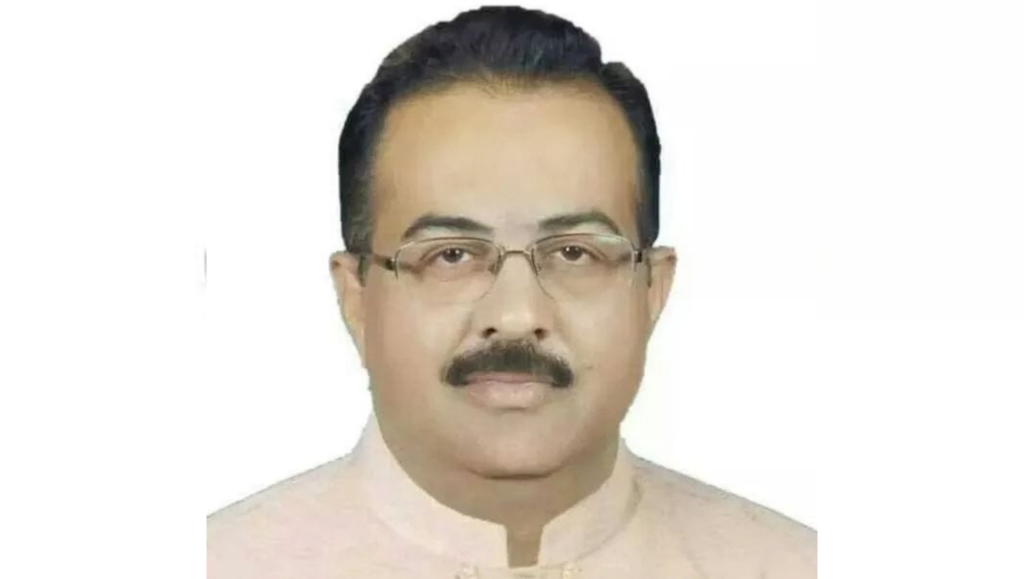
Tanveer Aslam Malik has previously served as Punjab Minister for Communications and Works during the Shehbaz Sharif government. He has carried out extensive development work not only in his constituency but also across the province. As a result, he enjoys considerable respect among public circles in Chakwal as well as other parts of Punjab.
Following the elections in the current political term, there were expectations that, considering his previous experience, he would certainly be included in the provincial cabinet.
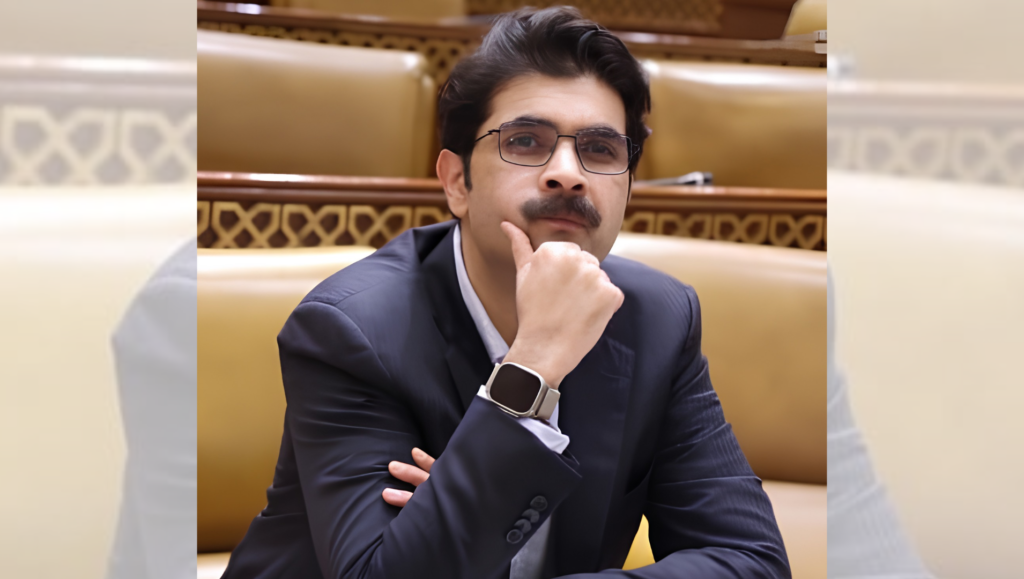
Sultan Haider Ali Khan has a longstanding and sincere association with the PML-N. His father, Chaudhry Liaquat Ali, has been elected as a member of the Provincial Assembly several times on the PML-N ticket.
Even during the difficult times faced by the PML-N, Chaudhary Liaqat Ali stood firmly by his party. He, too, could have been made a provincial minister, but he was not given a place in the cabinet.
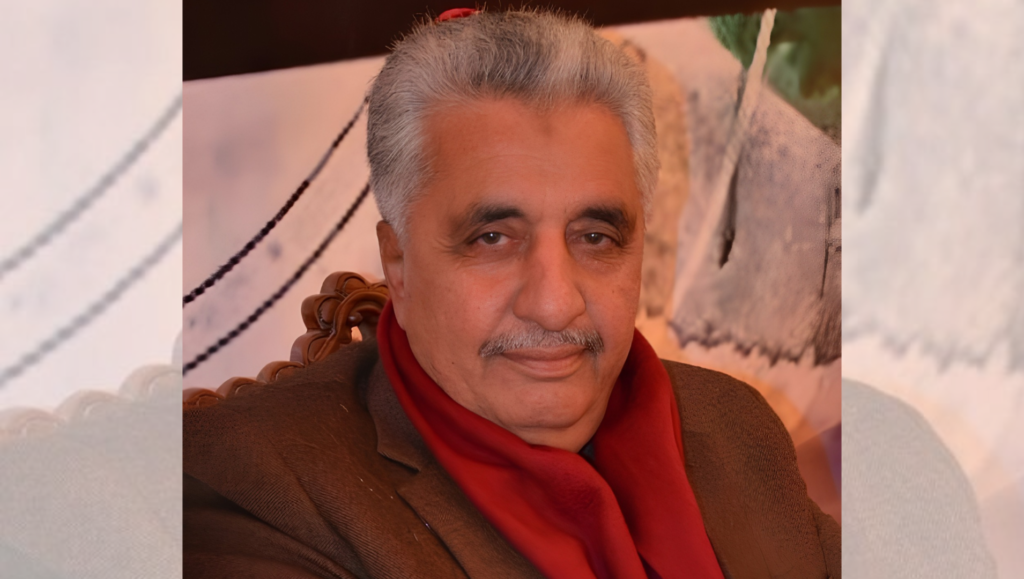
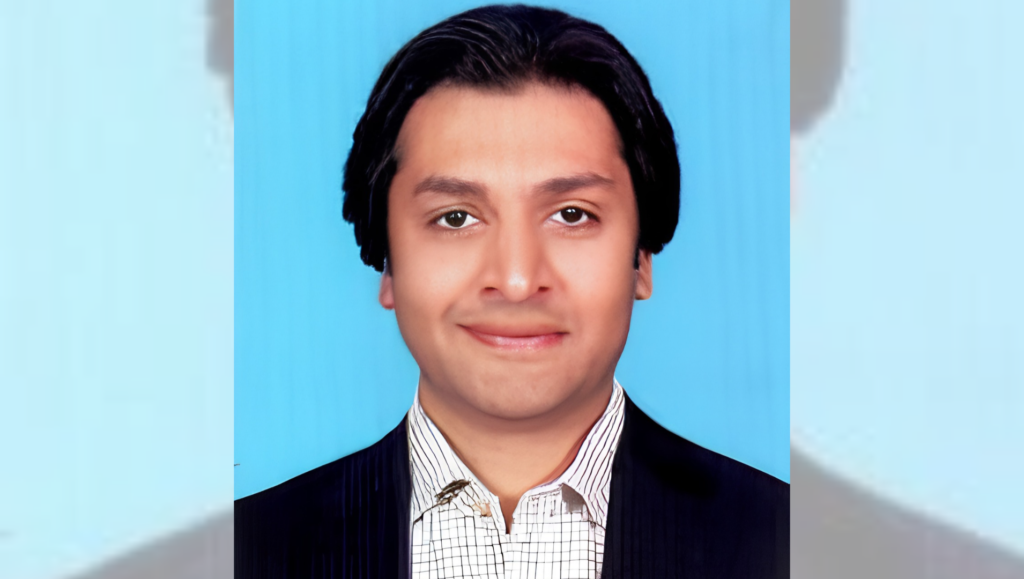
Falak Sher Awan has become a member of the Provincial Assembly for the first time. Shehryar Malik is the son of former bureaucrat and PEMRA Chairman Mushtaq Malik, and the grandson of Malik Saleem Iqbal, a loyal associate of Mian Nawaz Sharif. Therefore, there were also strong expectations that he would be included in the provincial cabinet.
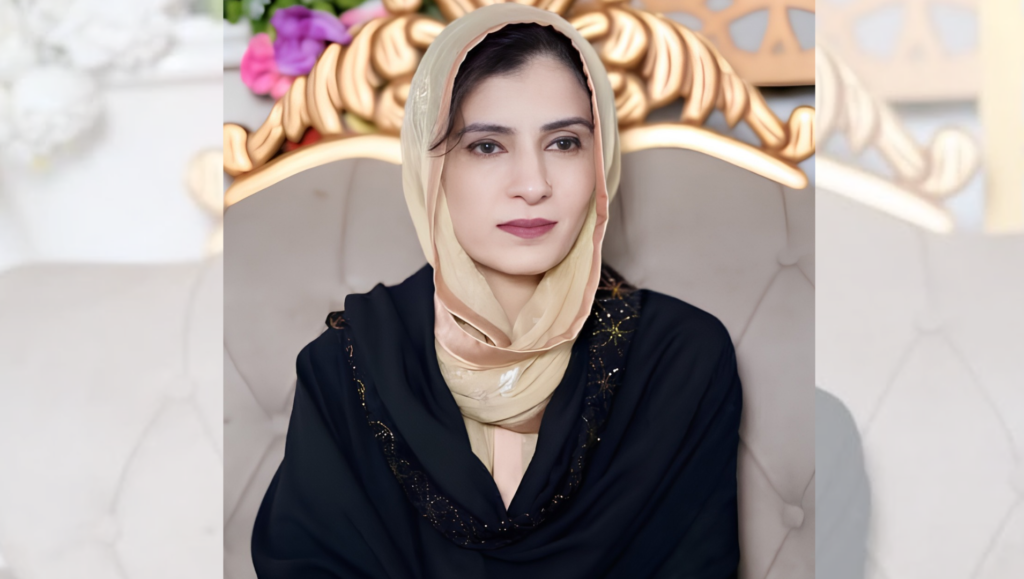
In addition, Mehwish Sultana is also a member of the Punjab Assembly on a reserved seat.
Thus, despite the region’s representation in both the National and Provincial Assemblies, the absence of any minister from Chakwal and Talagang in the cabinets has raised questions among public and political circles.
According to the official list of the federal cabinet, none of the aforementioned elected representatives from Chakwal and Talagang is included as a federal minister. Similarly, none of these elected representatives from the region has been given a ministerial position in the Punjab cabinet.
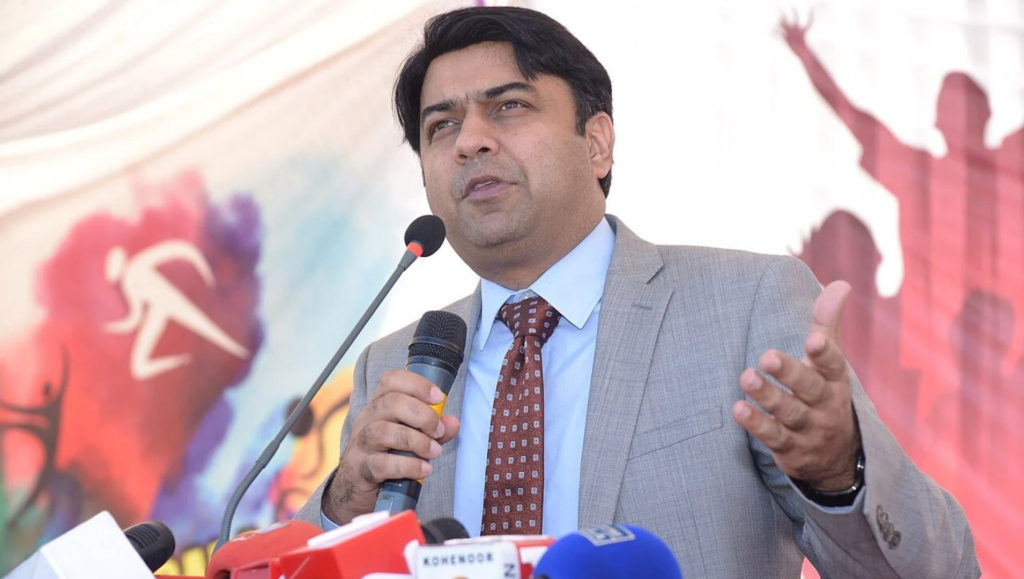
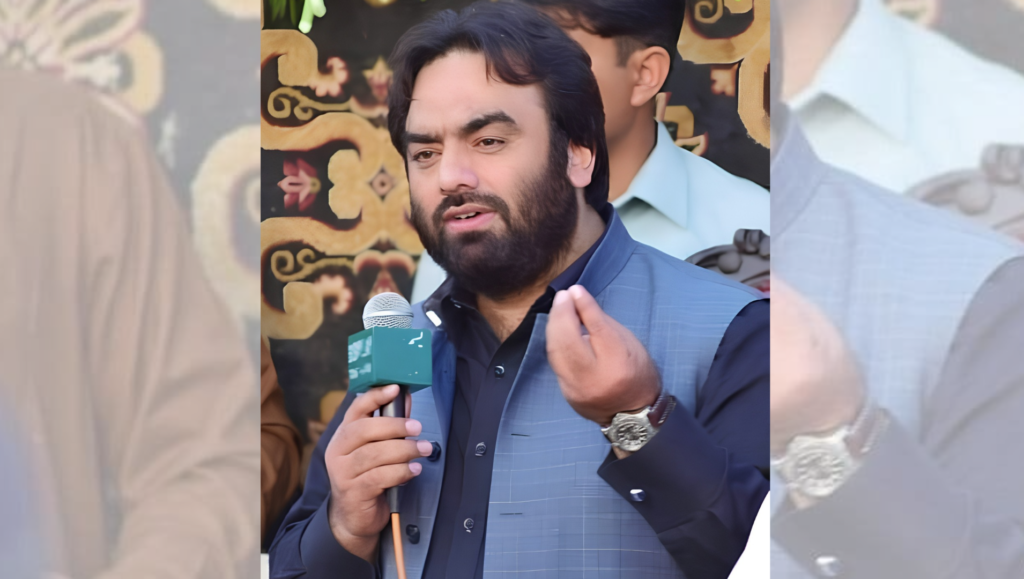
People in Chakwal and Talagang point out that former Prime Minister Imran Khan gave much greater importance to Chakwal district in this regard than the Sharif brothers. During his government, Raja Yasir Sarfraz from Chakwal was appointed Provincial Minister for Education, while Hafiz Ammar Yasir from Talagang was appointed Minister for Minerals.
Interestingly, Imran Khan wanted to make Raja Yasir Sarfraz the Chief Minister of Punjab, but he could not be appointed due to opposition from General Faiz Hameed.
In this way, the treatment being given to the public representatives of Chakwal and Talagang in the current government is, in fact, being viewed as discriminatory treatment towards the people of these electoral constituencies.
The most important question here is whether the role of the people of Chakwal and Talagang is limited only to casting their votes during elections and ensuring the success of their representatives. Should the political support of voters from this region not translate into representation at the government level and a share in ministerial positions?
The people have every right to ask the governments led by Prime Minister Shehbaz Sharif and Chief Minister Maryam Nawaz Sharif why their elected representatives have not been given an opportunity to participate in decision-making.
Political circles are also debating the question of the criteria on which Chakwal and Talagang were overlooked during the distribution of ministerial portfolios. Is it due to political strategy, internal party priorities, or some other matter? So far, no clear and credible explanation has emerged to inform the public about the reasons behind this situation.
The issue is also important because a ministry is not merely a position or title. It provides an opportunity to bring a region’s problems to the attention of the government, raise an effective voice for development projects, and make public needs part of policymaking. When elected representatives from a region are not included in the cabinet, it is natural for people to raise questions about their political importance and representation in the government.
The people of Chakwal and Talagang now want to know at what level and on what grounds the decision was made not to include their elected representatives in the cabinets. Does the PML-N leadership intend to provide the region with cabinet representation in the future, or will this deprivation continue?
The question from the people of this land of Ghazis and martyrs is simple but important: When the importance of Chakwal and Talagang is acknowledged while seeking votes, why is the region’s share nowhere to be seen in ministerial positions and government decisions?
All eyes are now on Prime Minister Mian Shehbaz Sharif, Chief Minister Maryam Nawaz Sharif, and the central leadership of the PML-N to see how they respond to this question and what steps they take to ensure effective representation for Chakwal and Talagang in the federal and provincial governments.
Latest
Imran Khan and Bushra Bibi’s Appeals in 190 Million Pound Case Scheduled for November 25
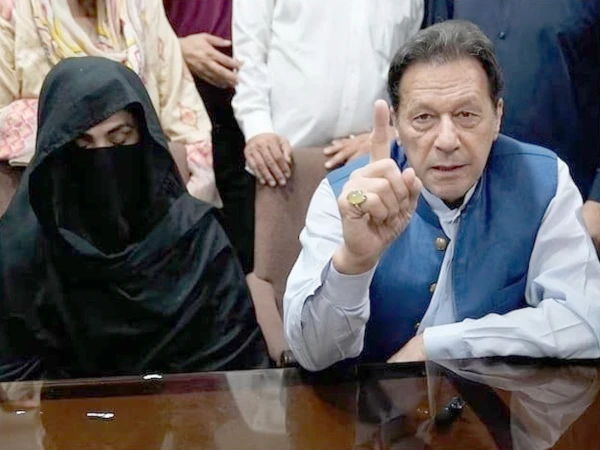
ISLAMABAD: The Islamabad High Court has formally scheduled appeals filed by former PTI chairman Imran Khan and his wife, Bushra Bibi, challenging their convictions in the 190 million pound case for hearing on November 25.
The High Court Registrar has issued the cause list, according to which Chief Justice Sardar Muhammad Sarfraz Dogar and Justice Muhammad Asif will hear the appeals.
It is worth mentioning that during the previous hearing, Imran Khan’s lawyer had requested additional time to prepare the case. Barrister Salman Safdar had asked the court to grant two weeks for preparation.
However, the court granted the defence one week to prepare its case. Following this, the Islamabad High Court has now fixed November 25 for hearing the appeals against the convictions of Imran Khan and Bushra Bibi.
Latest
Russia Launches Massive Drone and Missile Attack on Ukraine, Killing 8
KYIV: Russia has launched a massive attack on Ukraine, firing more than 400 drones and over 110 missiles across the country.
According to British media reports, Russia also fired 27 ballistic missiles during the assault. The attacks killed eight people and injured 28 others.
Ukrainian officials said Russia targeted nine regions, including the capital, Kyiv.
The Austrian and Dutch embassies in Ukraine were also affected by the attacks.
Meanwhile, Poland has accused Russia of violating its airspace.
France’s foreign minister called for an emergency meeting of the United Nations Security Council to discuss the situation in Ukraine.
He further stated that Russia must be held accountable for the attacks.

Six Assembly Seats, But Not a Single Cabinet Minister: Why Have Chakwal and Talagang Been Sidelined?
Islamabad (Special Report) A major political question has emerged for the people of Chakwal and Talagang, the land of Ghazis...

Imran Khan and Bushra Bibi’s Appeals in 190 Million Pound Case Scheduled for November 25
ISLAMABAD: The Islamabad High Court has formally scheduled appeals filed by former PTI chairman Imran Khan and his wife, Bushra...

Russia Launches Massive Drone and Missile Attack on Ukraine, Killing 8
KYIV: Russia has launched a massive attack on Ukraine, firing more than 400 drones and over 110 missiles across the...

Saudi Arabia Intercepts Three Houthi Ballistic Missiles Fired Toward Riyadh
RIYADH: Brigadier General Turki Al-Maliki, spokesperson for the Coalition Forces Supporting Yemen, has confirmed that Houthi militants attempted to target...

Iran Claims to Have Shot Down Another US MQ-9 Drone in the Strait of Hormuz
TEHRAN: Iran’s Islamic Revolutionary Guard Corps (IRGC) has claimed that its Aerospace Force shot down another US MQ-9 drone in...

Journalist Soban Iftikhar Raja Placed on Fourth Schedule; Journalist Community Expresses Strong Concern
ISLAMABAD: The inclusion of Soban Iftikhar Raja, a journalist associated with the international news broadcaster Urdu News, on the Fourth...

Government Announces New Petrol and Diesel Prices in Pakistan
KARACHI: The government has announced new prices of petrol and diesel in Pakistan, with petrol becoming cheaper and diesel witnessing...
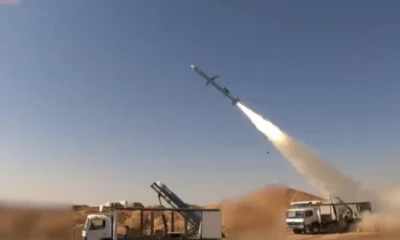

US Launches Missile Strike on Iran’s Qeshm Island
TEHRAN: The United States has carried out a missile strike on Iran’s Qeshm Island, with no details of casualties or...
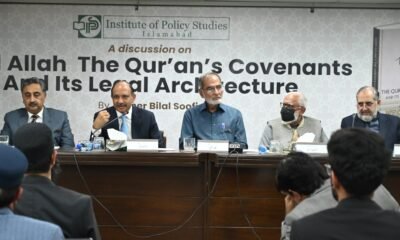

Quranic Covenant System Provides Foundation for Law, Justice and Social Responsibilities: Speakers
ISLAMABAD: The Quranic concept of covenants and commitments provides a comprehensive framework of mutual rights, duties and responsibilities in relationships...
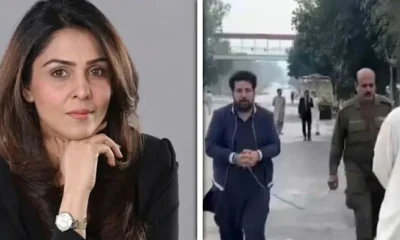

Accused Ahsan Tahir Released from Adiala Jail in Rabia Ahsan Murder Case
RAWALPINDI: Ahsan Tahir, the accused in the Rabia Ahsan murder case, has been released from Adiala Jail. According to sources,...
-
 Health7 months ago
Punjab Govt Opens Admissions for Lady Health Visitor Course
-
 Articles1 year ago
A Glimpse At Maj. Gen. Irfan Malik’s 02 Year Tenure
-
 Latest1 year ago
Punjab CM Maryam refuses to apologise, hits out at critics again
-
 Latest3 weeks ago
FDE holds Annual Awards Ceremony to Honor Intermediate Position Holders
-

 Latest12 months ago
Digital Pakistan and the Imperative of Implementing the National AI Policy
-
 Latest6 months ago
South Air ready to launch regional flight operations, connecting regions of pakistan
-
 Latest7 months ago
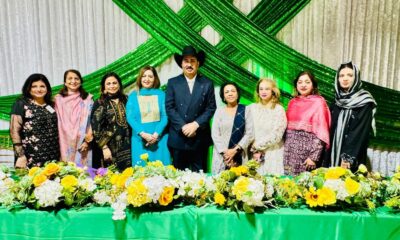
OPF Chairman Qamar Raza Naqvi Receives Warm Welcome from Pakistani Community in US
-

 Articles12 months ago
Golden Hour: A Dialogue of Light, River and Silence