
Health
Hot, humid conditions to prevail across plains:PMD
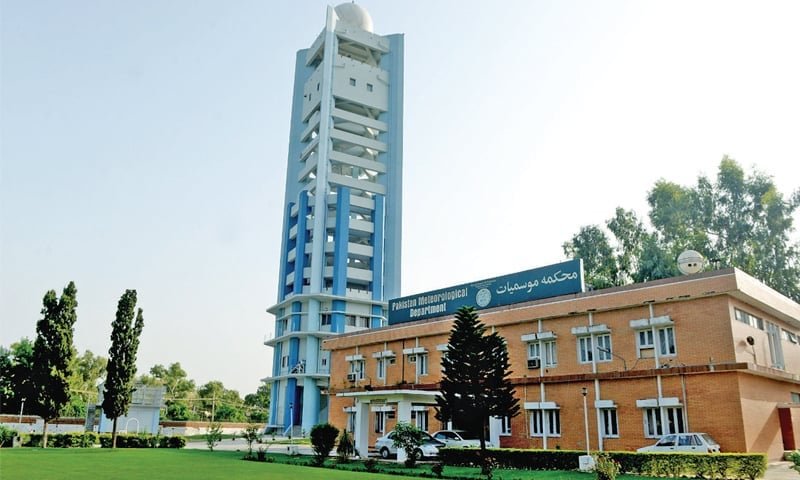
ISLAMABAD:Mainly hot and humid weather is expected to prevail over most plain areas of the country on Thursday, while partly cloudy conditions are likely in Gilgit-Baltistan and Kashmir, according to the Pakistan Meteorological Department (PMD) forecast.
In Islamabad and adjoining areas, hot and humid weather is expected during the day, while rain-wind/thunderstorm is likely during evening/night with a probability of 30 percent.
In Khyber-Pakhtunkhwa, most plain districts are expected to experience hot and humid weather. However, upper districts are likely to remain partly cloudy, with chances of rain-wind/thunderstorm in Waziristan, Hangu, Kurram, Kohat and adjoining areas during the afternoon.
In Punjab, mainly hot and humid weather is expected over most districts. However, partly cloudy conditions with chances of rain-wind/thundershower are likely in Murree, Galiyat and adjoining areas during the afternoon.
In Sindh, mainly hot and humid weather is expected over most districts, while coastal areas, including Karachi, are likely to remain partly cloudy with chances of drizzle.
Most districts of Balochistan are also expected to experience hot and humid weather, while partly cloudy conditions are likely in coastal areas.
Kashmir and Gilgit-Baltistan are expected to experience partly cloudy and dry weather.
During the past 24 hours, weather remained hot and humid over most plain areas of the country, while isolated light rain occurred in Gilgit-Baltistan. Babusar received 5 millimetres of rain.
The highest maximum temperatures recorded on Wednesday were 43 C at Nokkundi, Dalbandin and Sibbi, while Bhakkar and Noor Pur Thal recorded 42 C.
The minimum and maximum temperatures recorded in major cities were: Islamabad 24/36 C, Lahore 28/38 C, Karachi 26/34 C, Peshawar 26/38 C, Quetta 16/35 C, Gilgit 14/36 C, Muzaffarabad 22/37 C, Skardu 12/29 C, Murree 14/23 C, Faisalabad 27/38 C and Multan 27/37 C.
In Srinagar, Jammu, Leh, Pulwama, Anantnag, Shopian and Baramulla, the temperatures remained at 15/32 C, 25/34 C, 7/23 C, 16/34 C, 17/31 C, 15/34 C and 16/32 C, respectively.
Health
Why Drinking Enough Water in Winter Is Essential for Your Health

Staying hydrated is just as important during winter as it is in summer. Although people tend to drink less water in colder weather because they feel less thirsty, maintaining adequate water intake is essential for the body’s normal functioning and overall health.
Water makes up approximately 60 per cent of the human body and plays a vital role in regulating body temperature, supporting brain function, aiding digestion and maintaining several other bodily processes.
Here are some important health benefits of drinking enough water during the colder months.
1. Boosts Physical Performance
Even mild dehydration can affect physical performance and make everyday activities more exhausting. It may increase fatigue, reduce physical endurance and interfere with the body’s ability to regulate temperature.
Drinking sufficient water helps maintain energy levels, supports muscle function and enables the body to perform physical activities more effectively.
2. Keeps the Brain Active and Focused
The brain is particularly sensitive to changes in hydration levels. Even mild dehydration can affect concentration, mood and mental performance.
Research suggests that inadequate water intake may contribute to irritability, difficulty concentrating, fatigue and anxiety-like symptoms.
Maintaining proper hydration helps support normal brain function and mental alertness.
3. Helps Reduce Headaches
Headaches are among the common symptoms associated with dehydration. Insufficient water intake may also trigger or worsen migraine symptoms in some people.
Drinking water regularly can help prevent dehydration-related headaches and, in certain cases, reduce their intensity.
4. Supports Digestion and Prevents Constipation
Water plays an important role in maintaining a healthy digestive system. Inadequate fluid intake can make stools harder and more difficult to pass, increasing the risk of constipation.
Drinking enough water helps soften stools and supports regular bowel movements, particularly when combined with a fibre-rich diet.
5. Lowers the Risk of Kidney Stones
Adequate water intake is essential for kidney health. When the body does not receive enough fluids, urine becomes more concentrated, increasing the likelihood of minerals forming crystals that may develop into kidney stones.
Drinking sufficient water helps dilute urine and flush minerals out of the body, reducing the risk of stone formation.
6. May Support Weight Management
Drinking water can also contribute to healthy weight management. It may help people feel fuller, particularly when consumed before meals, potentially reducing overall calorie intake.
Some research suggests that drinking water may temporarily increase the number of calories the body burns.
Having a glass of water around 30 minutes before meals may help support portion control and weight-management efforts.
7. Helps Prevent Bad Breath
Dry mouth is one of the common causes of bad breath. Saliva helps wash away food particles and control bacteria inside the mouth.
When the body becomes dehydrated, saliva production may decrease, allowing bacteria to multiply and unpleasant odours to develop.
Drinking water throughout the day helps maintain moisture in the mouth, supports saliva production and reduces the likelihood of dehydration-related bad breath.
Make Hydration a Daily Winter Habit
Feeling less thirsty during winter does not mean the body needs less water. Regular fluid intake, water-rich foods and paying attention to signs of dehydration can help maintain good health throughout the colder months.
Note: This article is for general information and is based on health information discussed in medical research. Individual water requirements vary depending on age, activity level and health conditions. Consult a healthcare professional for personalised advice.
Health
Pakistan Ranks First Worldwide in Diabetes Prevalence as Patient Numbers Reach 35 Million

Pakistan has ranked first globally in terms of the number of people living with diabetes, with the number of patients in the country reaching 35 million.
According to the World Health Organization (WHO), the number of people with diabetes in Pakistan has reached 35 million. Experts believe the actual figure could be significantly higher, as many people have not yet undergone testing.
A sedentary lifestyle, excessive consumption of sugary and fatty foods, and obesity are among the major contributing factors.
Diabetes specialist Dr. Fahad Jan Mian says Pakistan is witnessing one of the world’s fastest-growing rates of diabetes. He has also expressed concern over the increasing prevalence of the disease among children and young people.
According to him, poor dietary habits are a major reason behind this trend. Children increasingly avoid home-cooked meals and prefer fast food, soft drinks, bakery products, and frequent outings and dinners. Physical activity and exercise have also become increasingly limited.
Experts warn that diabetes can lead to serious health complications, including vision loss, kidney disease, and heart problems.
Diabetes specialist Dr. Saira Bashir says the disease affects both men and women and can damage almost every part of the body, from the eyes to the feet.
She advises people to take preventive measures and, if diagnosed with diabetes, consult a doctor on time to avoid complications. She warns that once serious complications develop, reversing their effects can become extremely difficult.
Type 1 diabetes is associated with genetic and autoimmune factors, while Type 2 diabetes is closely linked to lifestyle and metabolic factors.
The government claims that emergency measures are being taken to control the spread of the disease.
The rising number of diabetes patients has also placed a significant burden on hospitals. Experts emphasize that maintaining a balanced diet and making regular exercise part of daily life are essential steps towards preventing diabetes and reducing its complications.
Health
Patients Face Long Waits for Free Open-Heart Surgery at Rawalpindi Institute of Cardiology

RAWALPINDI: Under the Punjab Chief Minister’s Heart Surgery Programme, deserving patients are facing difficulties accessing free medical treatment.
Patients recommended for open-heart surgery at the Rawalpindi Institute of Cardiology (RIC) are being forced to wait for extended periods. The shortage of heart valves has further added to the difficulties of patients awaiting free surgeries.
According to sources, patients who can afford to pay are being given priority for treatment. Some patients have reportedly accepted private status, paid millions of rupees and undergone surgery.
Hospital sources said RIC performs approximately 150 open-heart surgeries every month, while stents are inserted in around 400 to 500 patients. The list of patients recommended for free open-heart surgery is sent to the Chief Minister’s Secretariat in Lahore. After a priority list is prepared, patients are assigned surgery dates.
According to RIC Public Relations Officer Umar Qureshi, open-heart surgeries of relevant patients have been delayed for the past four weeks

IHC Orders Provision of All Possible Medical Facilities to Bushra Bibi in Jail
ISLAMABAD: The Islamabad High Court (IHC) has directed jail authorities to provide all possible medical and other necessary facilities to...

PPP’s Mindset Condemnable; Bilawal’s Remarks About Bloodshed in Karachi Must Be Addressed, Says Hafiz Naeem
ISLAMABAD: Jamaat-e-Islami Emir Hafiz Naeemur Rehman has strongly criticised the Pakistan Peoples Party (PPP), saying its mindset is condemnable and...


Pakistani Astronaut to Join China’s Shenzhou-24 Space Mission, Set to Make History
ISLAMABAD: A Pakistani astronaut will serve as a payload specialist aboard China’s Shenzhou-24 crewed space mission, marking a historic milestone...

Why Does PPP Talk of Bloodshed Over Sindh’s Division After Passing Resolutions for Punjab’s Division? Asks Malik Ahmad
LAHORE: Punjab Assembly Speaker Malik Ahmad Khan has questioned why the Pakistan Peoples Party (PPP), which supported resolutions for the...


Mir Raza Case: Something Will Emerge Very Soon, Says Mir Hussain
KARACHI: Joint Investigation Team (JIT) head DIG Irfan Baloch met Mir Raza’s father, Mir Hussain, in Karachi as part of...


US Oil and Fuel Inventories Surge, Crude Oil Prices Fall in Global Markets
NEW YORK: Global oil prices declined after reports of a significant increase in US crude oil and fuel inventories. However,...
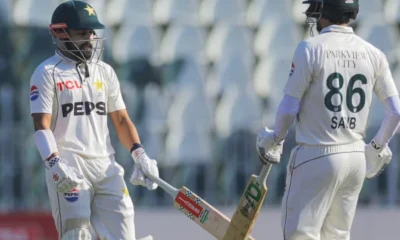

Rawalpindi Test: Kumara Takes Four Wickets as Pakistan’s Lead Surpasses 100 Runs
RAWALPINDI: Pakistan extended their lead to 123 runs by the lunch break on the second day of the Rawalpindi Test...


Attack on Police Peace Committee President’s Vehicle in Lakki Marwat; 4 Personnel Injured
PESHAWAR: A vehicle belonging to the president of the Police Peace Committee in Begukhel, Lakki Marwat, came under attack, leaving...
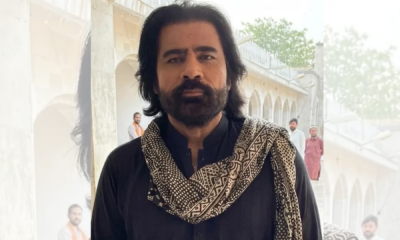

From a Year in Bed to the Spotlight: Shafqat Amanat Ali Reveals His Battle with a Rare Blood Cancer
ISLAMABAD: Renowned Pakistani singer Shafqat Amanat Ali has revealed that he battled Multiple Myeloma, a serious form of blood cancer,...
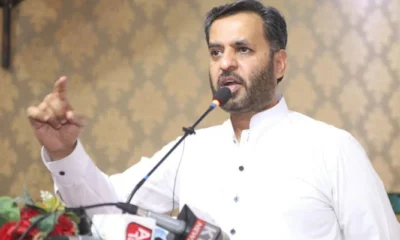

NPC-Free-Medical-CampFederal Health Minister to inaugurate free screening camp at NPC tomorrow
ISLAMABAD:Federal Minister for Health Syed Mustafa Kamal will inaugurate a free screening camp at the National Press Club (NPC) Islamabad...
-
 Health7 months ago
Punjab Govt Opens Admissions for Lady Health Visitor Course
-

 Articles1 year ago
A Glimpse At Maj. Gen. Irfan Malik’s 02 Year Tenure
-

 Latest1 year ago
Punjab CM Maryam refuses to apologise, hits out at critics again
-
 Latest3 weeks ago
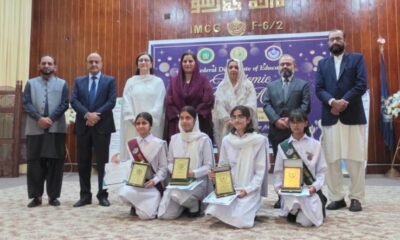
FDE holds Annual Awards Ceremony to Honor Intermediate Position Holders
-

 Latest12 months ago
Digital Pakistan and the Imperative of Implementing the National AI Policy
-
 Latest6 months ago
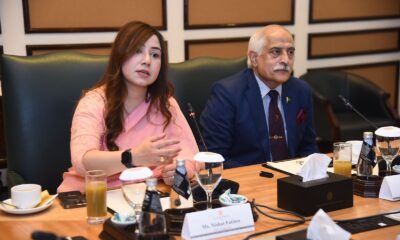
South Air ready to launch regional flight operations, connecting regions of pakistan
-

 Latest7 months ago
OPF Chairman Qamar Raza Naqvi Receives Warm Welcome from Pakistani Community in US
-
 Latest6 months ago
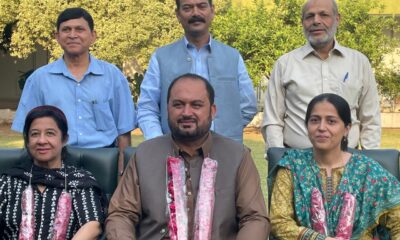
Syed Zeeshan Ali Naqvi Elected as President CJP, Raja Gohar Iqbal as Secretary General