
Latest
Saudi Airstrike on Yemen’s Hodeidah Kills Four, Injures 18, Houthi Media Reports
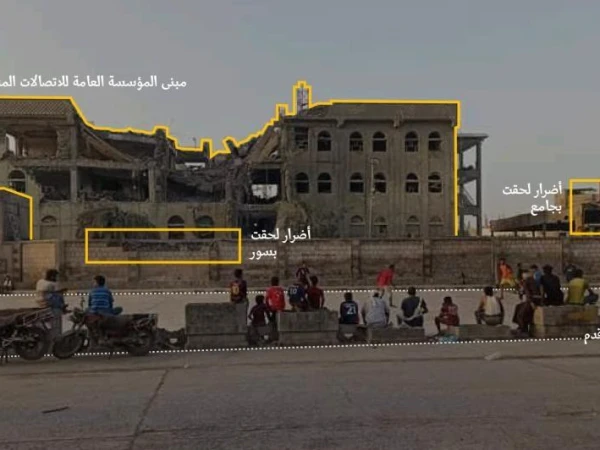
SANAA: Yemen’s Houthi-affiliated media has reported that a Saudi airstrike on the country’s coastal port city of Hodeidah killed four people and injured 18 others.
The attack reportedly damaged civilian areas and infrastructure, while the injured were shifted to hospitals for medical treatment.
According to Houthi media, the Saudi airstrike targeted a building belonging to Yemen’s state-owned Telecommunications Corporation in the strategic port city of Hodeidah, located along the Red Sea coast.
The attack reportedly caused damage to the building and surrounding facilities.
Saudi Arabia has not issued an official statement regarding the reported airstrike so far.
Latest
Global Oil Prices Fall to a Three-Month Low Despite Tensions in the Strait of Hormuz

Global crude oil prices declined for a second consecutive day, falling to nearly a three-month low amid expectations of increased supply in the international market.
The possibility of additional oil supplies has eased concerns over rising tensions in the Strait of Hormuz and potential disruptions to maritime traffic.
According to the report, Brent crude futures fell by 66 cents, or 0.7%, to $88.71 per barrel. Earlier, Brent had closed at its lowest level since August 31.
Meanwhile, US West Texas Intermediate (WTI) crude fell by 60 cents, or 0.8%, to $79.57 per barrel. During the trading session, its price reached its lowest level since August 26.
Suvro Sarkar, Head of the Energy Sector at DBS Bank, said the recent upward trend in Brent crude prices had largely faded.
He noted that despite the continued closure of the Strait of Hormuz, the overall supply situation remained relatively stable. Investors are also assessing the possibility of additional oil supplies in the future alongside tensions in the Middle East and disruptions to maritime transportation.
According to analysts, expectations of increased global oil supply have put downward pressure on prices, although tensions in the Strait of Hormuz continue to pose a threat to oil shipments.
Latest
Houthis Expand Intelligence Network to Tighten Control Over Yemen’s Capital Sanaa
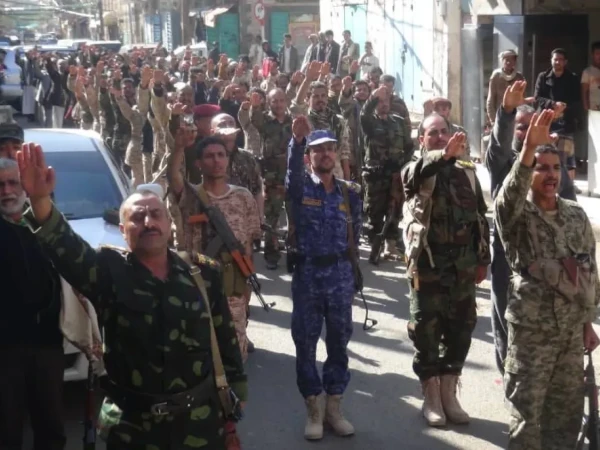
SANAA: Yemen’s Houthi rebels have expanded their intelligence and surveillance operations to further strengthen their control over the capital, Sanaa.
The move reportedly aims to monitor opposition activities, potential uprisings and contacts between rival groups in areas under their control.
According to reports, Houthi leaders have stepped up the activities of military intelligence and internal security agencies, introducing new measures for covert surveillance, intelligence gathering and identifying suspected individuals. These operations also include monitoring the activities of government employees, local tribal groups and military personnel.
Reports suggest that Houthi leadership is facing growing security concerns over alleged espionage, internal divisions and opposition activities in areas under its administration.
Meanwhile, human rights organisations have expressed concern over arrests and crackdowns carried out by the Houthis on allegations of espionage. According to Human Rights Watch, employees of the United Nations and humanitarian organisations have also been detained during these operations.
Latest
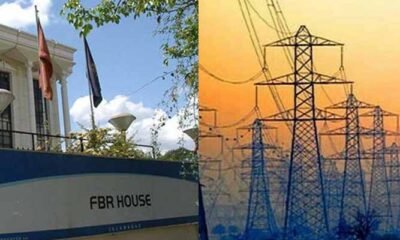
Power Distribution Companies Top Corruption Risk List, FBR Ranks Second and CDA Third: Report
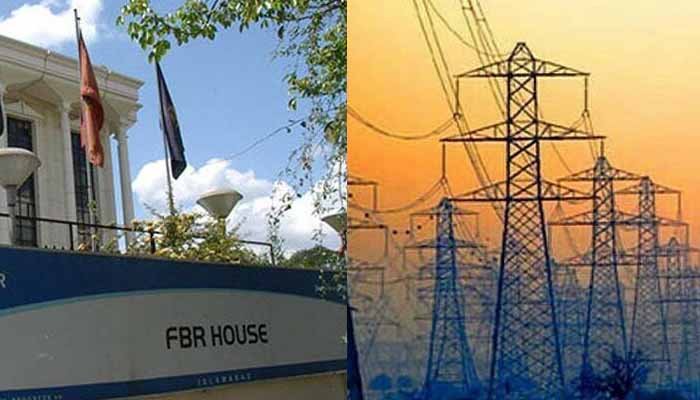
ISLAMABAD: The federal government has released a national corruption risk assessment report, identifying electricity distribution companies as the institutions facing the highest corruption risks, followed by the Federal Board of Revenue (FBR) in second place and the Capital Development Authority (CDA) in third.
According to the report, no institution was placed in the Very High or Extremely High Risk categories. However, electricity distribution companies (DISCOs) emerged as the institutions with the highest corruption risk.
The report identified 56 institutional typologies, 10 cross-cutting governance typologies and 18 regulatory typologies. Among all the assessed institutions, only DISCOs fell into the High Risk category, scoring 61.1 points.
According to the assessment, the FBR ranked second with 54.4 points, followed by the CDA in third place with 49.5 points. Pakistan State Oil (PASSCO) ranked fourth with 47.1 points, while the National Highway Authority (NHA) secured fifth place with 43.4 points.
Similarly, Pakistan Railways ranked sixth with 41.1 points, the Benazir Income Support Programme (BISP) seventh with 40.1 points, Pakistan Post eighth with 39.9 points, Sui Northern Gas Pipelines Limited (SNGPL) ninth with 39.3 points, and the Evacuee Trust Property Board (ETPB) tenth with 39.3 points.
Add a stronger news headlineImprove the English news structure


Global Oil Prices Fall to a Three-Month Low Despite Tensions in the Strait of Hormuz
Global crude oil prices declined for a second consecutive day, falling to nearly a three-month low amid expectations of increased...

Houthis Expand Intelligence Network to Tighten Control Over Yemen’s Capital Sanaa
SANAA: Yemen’s Houthi rebels have expanded their intelligence and surveillance operations to further strengthen their control over the capital, Sanaa....

Power Distribution Companies Top Corruption Risk List, FBR Ranks Second and CDA Third: Report
ISLAMABAD: The federal government has released a national corruption risk assessment report, identifying electricity distribution companies as the institutions facing...


Request Filed for Live Streaming of Appeals Against Imran Khan’s Conviction in £190 Million Case
ISLAMABAD: A significant development has emerged in the £190 million case, as Imran Khan has approached the court seeking live...


Suicide Rate in Israeli Military Reaches 16-Year High
TEL AVIV: The number of suicides among Israeli military personnel has reached its highest level in 16 years. According to...


Democrats Secure Largest Majority in US House of Representatives in 34 Years
WASHINGTON: Democrats have secured a sweeping victory in the US House of Representatives for the first time in nearly 34...


Ghalibaf Says Iran Will Not Hold Talks with US Until Seven Conditions Are Met
TEHRAN: Iran has refused to begin negotiations with the United States, making it clear that no talks with Washington will...


Sheikh Hasina Plans to Return to Bangladesh on December 16
Dhaka: Former Bangladeshi Prime Minister and Awami League chief Sheikh Hasina has expressed her intention to return to Bangladesh on...


Awami League leaders’ houses set on fire after killing of two BNP workers in Bangladesh
DHAKA: Around 30 houses belonging to Awami League leaders and activists were set on fire following the killing of two...


Two flights diverted to alternative airports due to fog and technical issues
ISLAMABAD: Two flights bound for Sialkot and Islamabad were diverted to alternative airports due to dense fog and technical issues....
-
 Health7 months ago
Punjab Govt Opens Admissions for Lady Health Visitor Course
-

 Articles1 year ago
A Glimpse At Maj. Gen. Irfan Malik’s 02 Year Tenure
-

 Latest1 year ago
Punjab CM Maryam refuses to apologise, hits out at critics again
-

 Latest4 weeks ago
FDE holds Annual Awards Ceremony to Honor Intermediate Position Holders
-

 Latest12 months ago
Digital Pakistan and the Imperative of Implementing the National AI Policy
-

 Latest6 months ago
South Air ready to launch regional flight operations, connecting regions of pakistan
-

 Latest7 months ago
OPF Chairman Qamar Raza Naqvi Receives Warm Welcome from Pakistani Community in US
-

 Articles12 months ago
Golden Hour: A Dialogue of Light, River and Silence