
Latest
At UN, Pakistan pushes for peace in eastern DR Congo amid rising security fears
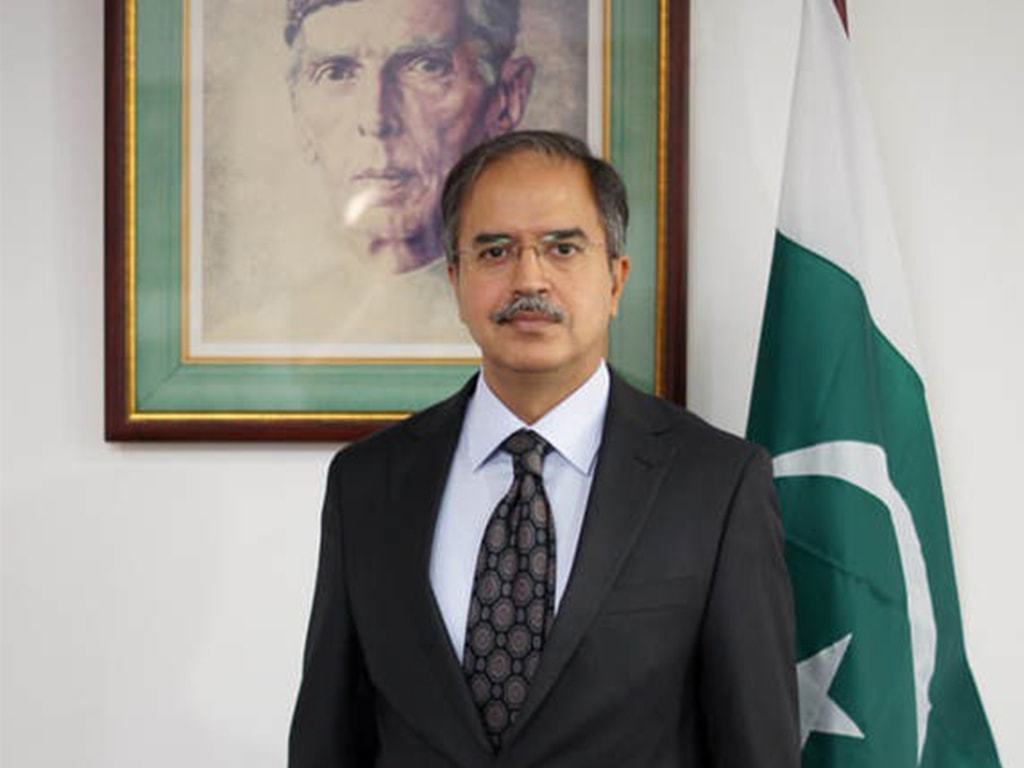
UNITED NATIONS: Despite diplomatic progress aimed at ending the brutal conflict in the Democratic Republic of the Congo (DRC), Pakistan told the UN Security Council that continued violence, humanitarian pressures and internal displacement in the country’s east underscored the urgency of restoring peace and stability on the ground.
“The situation in eastern Democratic Republic of the Congo remains fragile and deeply concerning,” Ambassador Asim Iftikhar Ahmad, permanent representative of Pakistan to the UN, said during a debate in the 15-member Council on the situation in DRC and wider Great Lakes region.
“We reiterate the need for full implementation of resolution 2773 and stress that progress toward a durable ceasefire remains essential for stabilizing the region and creating space for a political solution,” he added.
Tensions have been high between ethnically aligned armed groups in parts of the region for decades, punctuated by the horrific killing of nearly a million people during the 1994 Rwandan genocide. More recently, in 2022, the Democratic Republic of the Congo accused Rwanda of supporting the M23 armed group’s intervention on Congolese soil. A peace agreement — known as the Washington Accords — was brokered in June 2025 and endorsed by the Council in resolution 2803 (2025), though fighting continues.
In his remarks, the Pakistani envoy welcomed the sustained diplomatic engagement in support of de-escalation, including efforts under the African Union-led mediation, the Washington process and the Doha Framework.
“These initiatives, together with the good offices of the United Nations and regional organizations, represent important and mutually reinforcing pathways toward restoring trust between the parties and advancing a comprehensive settlement.”
Ambassador Asim Ahmad also takes note of progress toward the operationalizing ceasefire oversight and verification arrangements and supports MONUSCO, the UN peace-keeping force, playing a constructive role in ceasefire implementation, once conditions permit.
The Peace, Security and Cooperation Framework, a 2013 agreement signed in Addis Ababa to end the persistent violence in eastern DRC, continues to provide a comprehensive platform for addressing the root causes of instability in the Great Lakes region, with its commitments relating to dialogue, cooperation and confidence-building remaining essential for advancing regional stability.
“The illicit exploitation and trafficking of critical natural resources also remains a structural driver of instability in eastern DRC,” the Pakistani envoy said, adding it requires strengthened regional cooperation, transparency in supply chains and effective implementation of existing regional mechanisms to ensure that natural resources become a source of shared prosperity, and not conflict and chaos for the people.
In conclusion, Ambassador Asim Ahmad reaffirmed Pakistan’s strong support for the sovereignty, unity and territorial integrity of the Democratic Republic of the Congo and Islamabad’ commitment to advancing lasting peace and stability in the Great Lakes region.
Earlier, Sima Sami Bahous, Executive Director of UN-Women told the Security Council, “Peace in the Democratic Republic of the Congo will only be secured when women are treated not as collateral victims and their bodies as spoils of war, but as empowered agents of stability, accountability and peace.”
Describing the opportunities for women’s leadership in the Great Lakes region as “unique and transformative”, she said countries of the region already have some of the highest percentages of women’s representation in politics in the world. However, the region’s security now hinges on ending violence in the eastern Democratic Republic of the Congo. “Without safety, women cannot lead, and without their leadership, peace and recovery efforts fail,” she stressed.
Against that backdrop, Ms. Bahous asked the Council to redouble its support for women’s equal representation in peacemaking and for the work of women-led civil society organizations. She also urged members to protect funding for MONUSCO, whose work supports local women and includes crucial protection for women human rights defenders.
Huang Xia, Special Envoy of the Secretary-General for the Great Lakes region, outlined the various diplomatic initiatives focused on the conflict in the Democratic Republic of the Congo. Those included the signing of the Washington Accords in December 2025, the resumption of negotiations in Washington in March and the resumption of the Doha Framework talks aimed at defusing the violence perpetrated by the M23 militia.
Despite those efforts, he said “the violence has taken on a new dimension” marked by the increasing use of advanced military technology, drone attacks and GPS jamming. Human displacement is widespread, food insecurity is rising and there has been an increase in sexual violence. “This is compounded by a worrisome rise in hate speech and identity-based polarization,” he said, warning that the conflict could exacerbate tensions between countries in the region.
Indeed, he said, a persistent sense of mistrust among countries demonstrates the need to address the root causes of the conflict. The Council should lend its full support to regional talks led by Togo, as the African Union’s mediator, including at the financial and technical levels.
Appealing directly to the Democratic Republic of the Congo, Rwanda and all relevant actors to resume “frank dialogue”, he cautioned: “No resolution, no mediation, no verification mechanism can succeed unless the parties directly concerned choose the path of peace.”
Latest
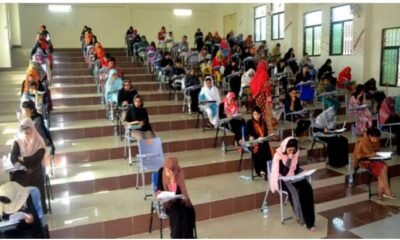
Health minister orders probe into Sindh MDCAT complaints
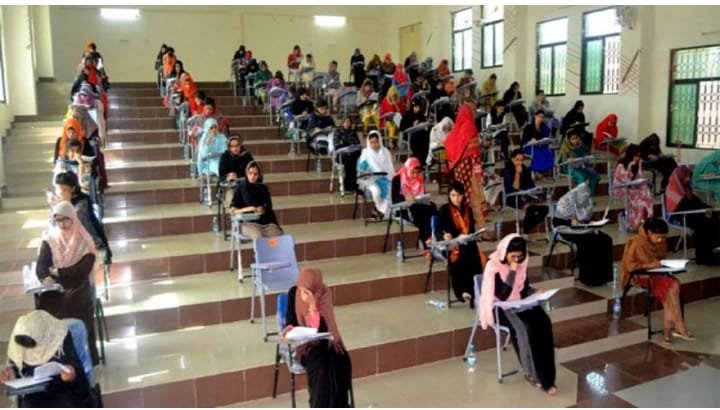
ISLAMABAD:Federal Minister for Health Syed Mustafa Kamal has taken notice of alleged irregularities in the Medical and Dental College Admission Test (MDCAT) held in Sindh and ordered a comprehensive inquiry into the complaints.
According to official sources, the minister directed a five-member committee, including the President of the Pakistan Medical and Dental Council (PMDC), to conduct a transparent investigation and submit its report within 15 days.
The committee has been tasked with examining the complaints and reviewing the circumstances surrounding the alleged irregularities during the examination, sources said.
The minister directed the committee to complete the inquiry within the stipulated timeframe and present its findings for further action in accordance with the applicable rules.
Latest
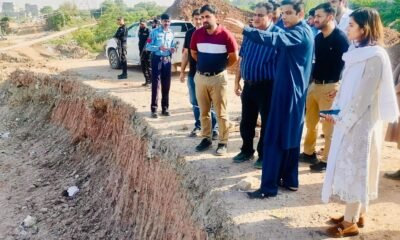
CDA chairman directs faster work on Expressway East project
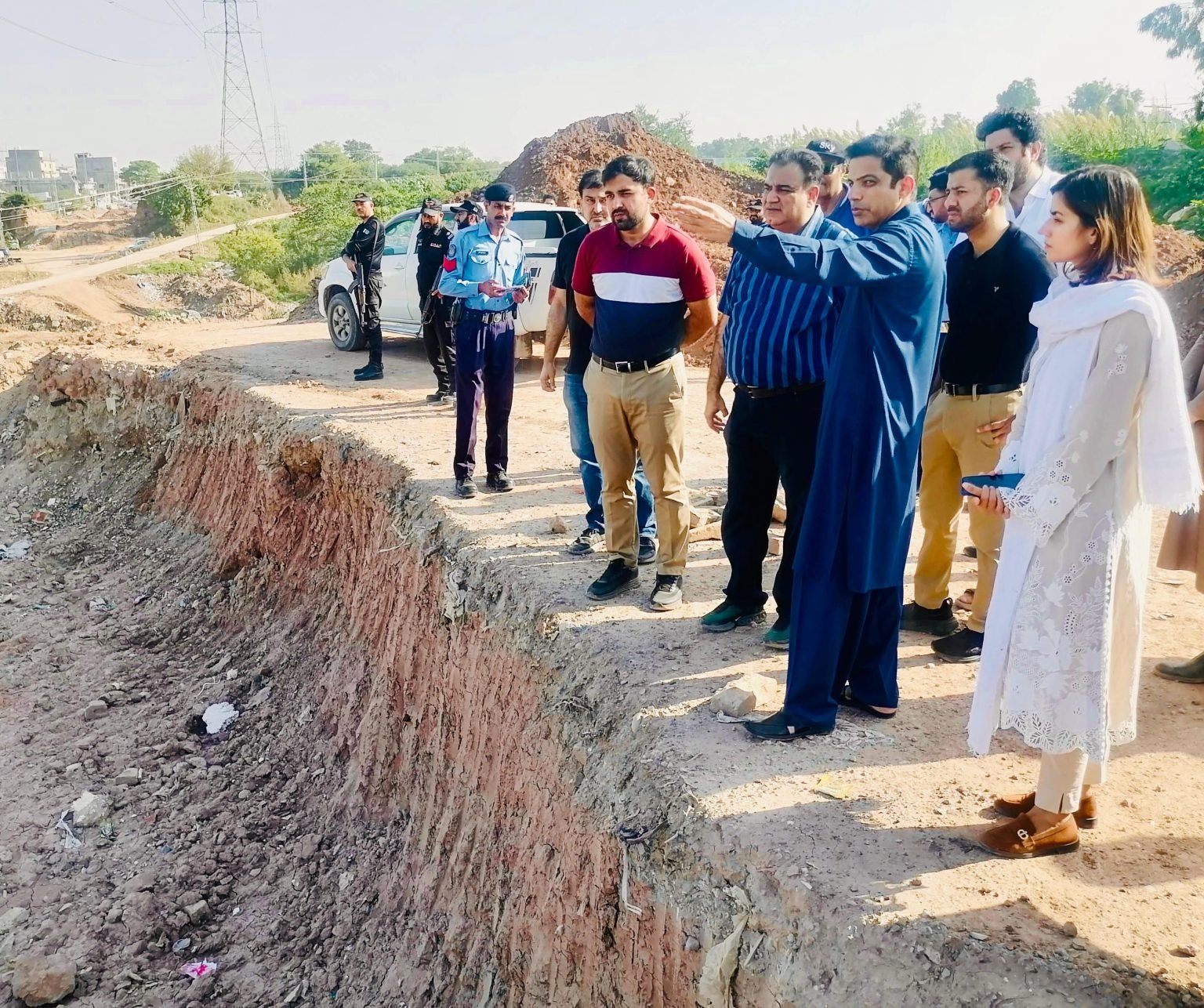
ISLAMABAD: Capital Development Authority (CDA) Chairman Sohail Ashraf has directed officials to accelerate work on the Islamabad Expressway Service Road East project while ensuring strict compliance with approved designs and construction standards.
During an inspection of the project on Saturday, the chairman reviewed progress and was briefed on ongoing works and the next phase of development.
He directed the project director and relevant departments to maintain continuous field monitoring and quality control and ensure effective traffic management to minimise inconvenience to commuters.
The chairman described the Expressway East project as an important infrastructure scheme for improving connectivity, traffic flow and road capacity in the capital. He also stressed that construction quality should not be compromised in efforts to meet the project timeline.
During the visit, he was also briefed on an ongoing enforcement operation against unauthorised and illegal construction along the Islamabad Expressway.
According to the CDA, 377 buildings have been identified for action, including 281 commercial structures. So far, 58 buildings have been sealed, while 124 buildings between Sohan and Khanna bridges have been marked for demolition.
The authority said Rs234.685 million had been recovered through land-use conversion, unauthorised construction and de-sealing charges. Around Rs3 billion remained recoverable under applicable regulations in connection with land-use conversion and violations relating to unauthorised construction, setbacks, floor area ratio and covered area.
The chairman directed the relevant departments to ensure strict enforcement of building-control and land-use regulations, particularly mandatory fire-safety requirements.
The enforcement operation is being conducted by the CDA’s Building Control Section and Enforcement Directorate in coordination with the district administration and Islamabad police.
Latest
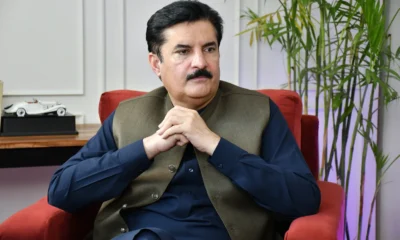
GB ministers call on Governor Kundi
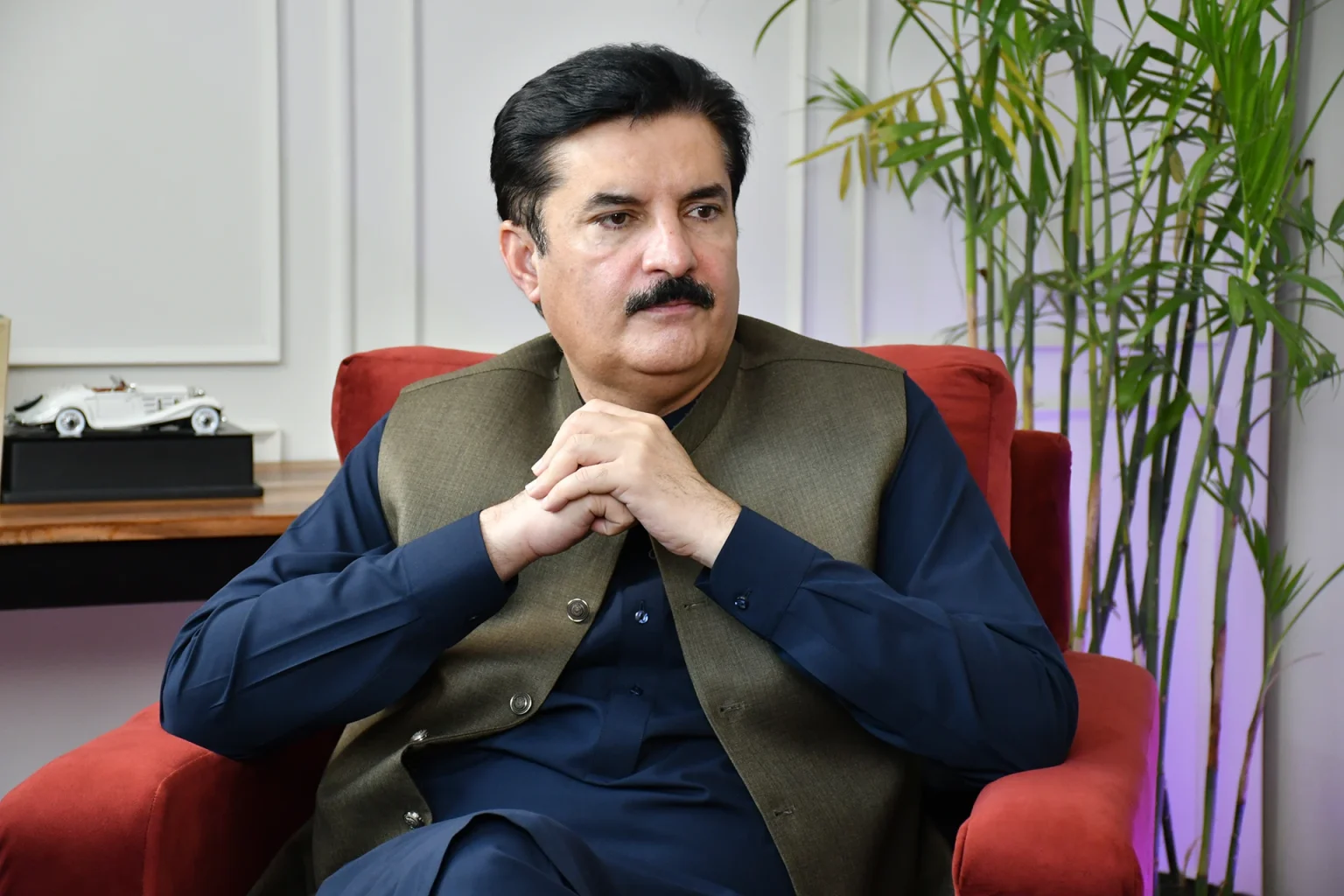
PESHAWAR: Governor Khyber Pakhtunkhwa Faisal Karim Kundi on Saturday held a meeting with a delegation of Gilgit-Baltistan ministers at the Governor’s House here and discussed the country’s political situation and other matters of mutual interest.
The delegation comprised Gilgit-Baltistan Minister for Local Government and Rural Development Zulfiqar Ali Murad, Minister for Health Iqbal Hassan and Minister for Education Aman Ali Ameer.
During the meeting, the two sides exchanged views on the prevailing political situation in the country and various issues of mutual interest. They also discussed the recent elections in Gilgit-Baltistan and the Pakistan Peoples Party’s success in the polls.
The visiting ministers were taken on a tour of the Governor’s House. Governor Kundi presented them with traditional shawls and caps.

Health minister orders probe into Sindh MDCAT complaints
ISLAMABAD:Federal Minister for Health Syed Mustafa Kamal has taken notice of alleged irregularities in the Medical and Dental College Admission...

CDA chairman directs faster work on Expressway East project
ISLAMABAD: Capital Development Authority (CDA) Chairman Sohail Ashraf has directed officials to accelerate work on the Islamabad Expressway Service Road...

GB ministers call on Governor Kundi
PESHAWAR: Governor Khyber Pakhtunkhwa Faisal Karim Kundi on Saturday held a meeting with a delegation of Gilgit-Baltistan ministers at the...

DPM/FM, British HC discuss Pak-UK bilateral ties
ISLAMABAD, Oct 03 (APP):British High Commissioner Jane Marriott, on Saturday, called on Deputy Prime Minister/Foreign Minister Senator Mohammad Ishaq Dar...

Govt, PPP, opposition hold first round of talks at Parliament House
ISLAMABAD: The first round of talks between the government, Pakistan Peoples Party (PPP) and opposition concluded at Parliament House here...

CCC reiterates resolve to maintain internal stability, uphold rule of law
RAWALPINDI: The Corps Commanders’ Conference (CCC) while underscoring the importance of internal stability, on Friday resolved that any attempt to...

IMCG F-6/2 Holds Investiture Ceremony of Newly Elected College Council
ISLAMABAD: The investiture ceremony of the newly elected College Council 2026-27 was held at Islamabad Model College for Girls (IMCG),...

PM orders expansion of Aasaan Khidmat Centers across country
ISLAMABAD: Prime Minister Shehbaz Sharif on Thursday reiterating commitment to providing citizens with fast, transparent, and high-quality services at their...

Armed Forces fully prepared to protect Pakistan’s geographical borders, national security: DG ISPR
RAWALPINDI: Director General (DG) Inter-Services Public Relations (ISPR), Lt Gen Ahmed Sharif Chaudhry, while reiterating that there would be no...

PM reviews progress on Fuel Relief Scheme
ISLAMABAD: Prime Minister Muhammad Shehbaz Sharif Thursday chaired a review meeting regarding the progress of the Prime Minister’s Fuel Relief...
-
 Health6 months ago
Punjab Govt Opens Admissions for Lady Health Visitor Course
-
 Articles12 months ago
A Glimpse At Maj. Gen. Irfan Malik’s 02 Year Tenure
-
 Latest1 year ago
Punjab CM Maryam refuses to apologise, hits out at critics again
-

 Latest10 months ago
Digital Pakistan and the Imperative of Implementing the National AI Policy
-
 Latest5 months ago
Syed Zeeshan Ali Naqvi Elected as President CJP, Raja Gohar Iqbal as Secretary General
-

 Articles10 months ago
Golden Hour: A Dialogue of Light, River and Silence
-
 Latest5 months ago
HEC launches fully online, paperless degree attestation system
-

 Latest5 months ago
OPF Chairman Qamar Raza Naqvi Receives Warm Welcome from Pakistani Community in US