
Latest
Severe heatwave likely to grip Karachi, other parts of country until May 5: NDMA

ISLAMABAD: The National Disaster Management Authority (NDMA) has issued a comprehensive weather alert warning of an intense heatwave across multiple regions, including Karachi, till May 5.
The NDMA, through its National Emergencies Operation Centre (NEOC), on Thursday urged authorities to activate emergency plans and citizens to adopt precautionary measures to mitigate health and environmental risks.
The Met Office also forecast rain with windstorms and thunderstorms in parts of the country between April 24 and 29.
According to the NDMA, the prevailing weather pattern aligns with its seasonal outlook issued three to four months earlier, indicating a period of climatic extremes.
The authority has also released a detailed assessment of expected weather conditions from April to June.
The alert highlights that Sindh, southern Punjab and parts of Balochistan are likely to experience severe heatwave conditions, with major urban centres including Karachi, Hyderabad, Sukkur, Larkana, Jacobabad, Bahawalpur, Rahim Yar Khan, Multan and Turbat expected to remain in the grip of extreme temperatures.
Central Punjab and certain parts of Khyber Pakhtunkhwa are also likely to witness a significant rise in temperature.
Meanwhile, a separate weather system is expected to bring dust storms, gusty winds and rain to upper and central districts on April 24, 25 and 29.
Areas including Murree, Islamabad, Rawalpindi, Attock, Chakwal, Jhelum, Mianwali, Sargodha, Gujrat, Gujranwala, Faisalabad, Lahore, Dera Ghazi Khan and Multan may receive rainfall during this period.
In Balochistan, northern districts such as Quetta, Ziarat, Kalat and Khuzdar are forecast to experience rain accompanied by strong winds between April 24–25 and April 27–29. Coastal regions, including Gwadar, are expected to remain hot and dry with a gradual increase in temperatures.
Sindh is likely to continue experiencing hot and dry conditions, with a steady rise in temperatures across the province.
However, Hyderabad, Badin and Mithi may receive light rain and strong winds on April 24.
KP is also expected to see intermittent rainfall and gusty winds in districts including Chitral, Dir, Swat, Malakand, Kohistan, Mansehra, Abbottabad, Peshawar, Mardan, Swabi, Charsadda, Nowshera, Kohat and Kurram during April 24–25 and April 27–29.
Gilgit-Baltistan and Azad Jammu and Kashmir are likely to experience intermittent rain with thunderstorms from April 24 to 29.
The NDMA warned that the ongoing heatwave could lead to an increased risk of heatstroke, dehydration and other health complications.
Citizens have been advised to avoid unnecessary exposure to direct sunlight, increase water intake and take preventive precautions.
The Authority has directed all relevant institutions to activate heatwave response plans, establish cooling centres and ensure hospitals remain on high alert.
Provincial and district administrations have also been instructed to stay vigilant and prepared to respond to any emergency arising from the evolving weather situation.
PM orders inquiry into inactive EWS in GB
Separately, Prime Minister Shehbaz Sharif has ordered a high-level inquiry into the non-functional early warning system installed in Gilgit-Baltistan for protection against glacial lake outburst floods (GLOFs) and directed all relevant institutions to accelerate coordinated preparations ahead of the upcoming monsoon season.
Chairing a review meeting on pre-monsoon preparedness and climate-related risks, the prime minister expressed strong displeasure over the continued inactivity of the early warning system despite clear directives issued last year.
He warned that negligence and weak institutional performance would not be tolerated and emphasized that safeguarding citizens from environmental hazards remains a core responsibility of all departments.
The premier instructed federal ministries and provincial governments to remove bottlenecks hindering policy implementation and ensure full operationalisation of digital monitoring infrastructure for early warning systems.
He stressed that Pakistan ranks among the countries most vulnerable to climate change impacts and called for emergency-level efforts to mitigate associated risks.
The PM also highlighted lessons from last year’s monsoon season, and noted that illegal encroachments along river routes and flood channels had contributed significantly to damages.
He directed authorities to adopt an effective preventive strategy this year to address the issue before the onset of heavy rains.
He further instructed all institutions to enhance operational capacity and mobilize resources beyond routine limits to protect lives and property during potential flooding.
Latest
Health minister orders probe into Sindh MDCAT complaints
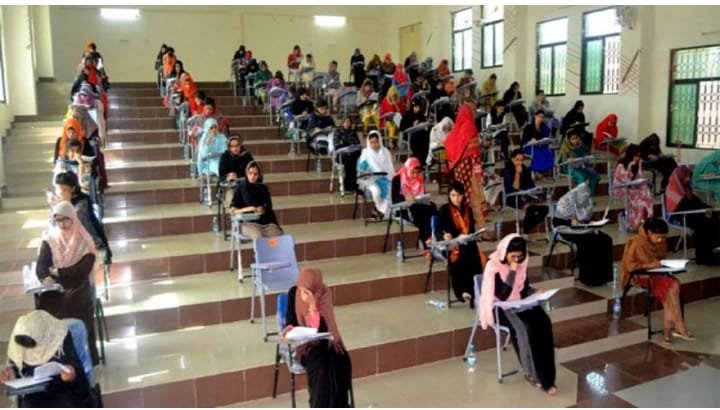
ISLAMABAD:Federal Minister for Health Syed Mustafa Kamal has taken notice of alleged irregularities in the Medical and Dental College Admission Test (MDCAT) held in Sindh and ordered a comprehensive inquiry into the complaints.
According to official sources, the minister directed a five-member committee, including the President of the Pakistan Medical and Dental Council (PMDC), to conduct a transparent investigation and submit its report within 15 days.
The committee has been tasked with examining the complaints and reviewing the circumstances surrounding the alleged irregularities during the examination, sources said.
The minister directed the committee to complete the inquiry within the stipulated timeframe and present its findings for further action in accordance with the applicable rules.
Latest
CDA chairman directs faster work on Expressway East project
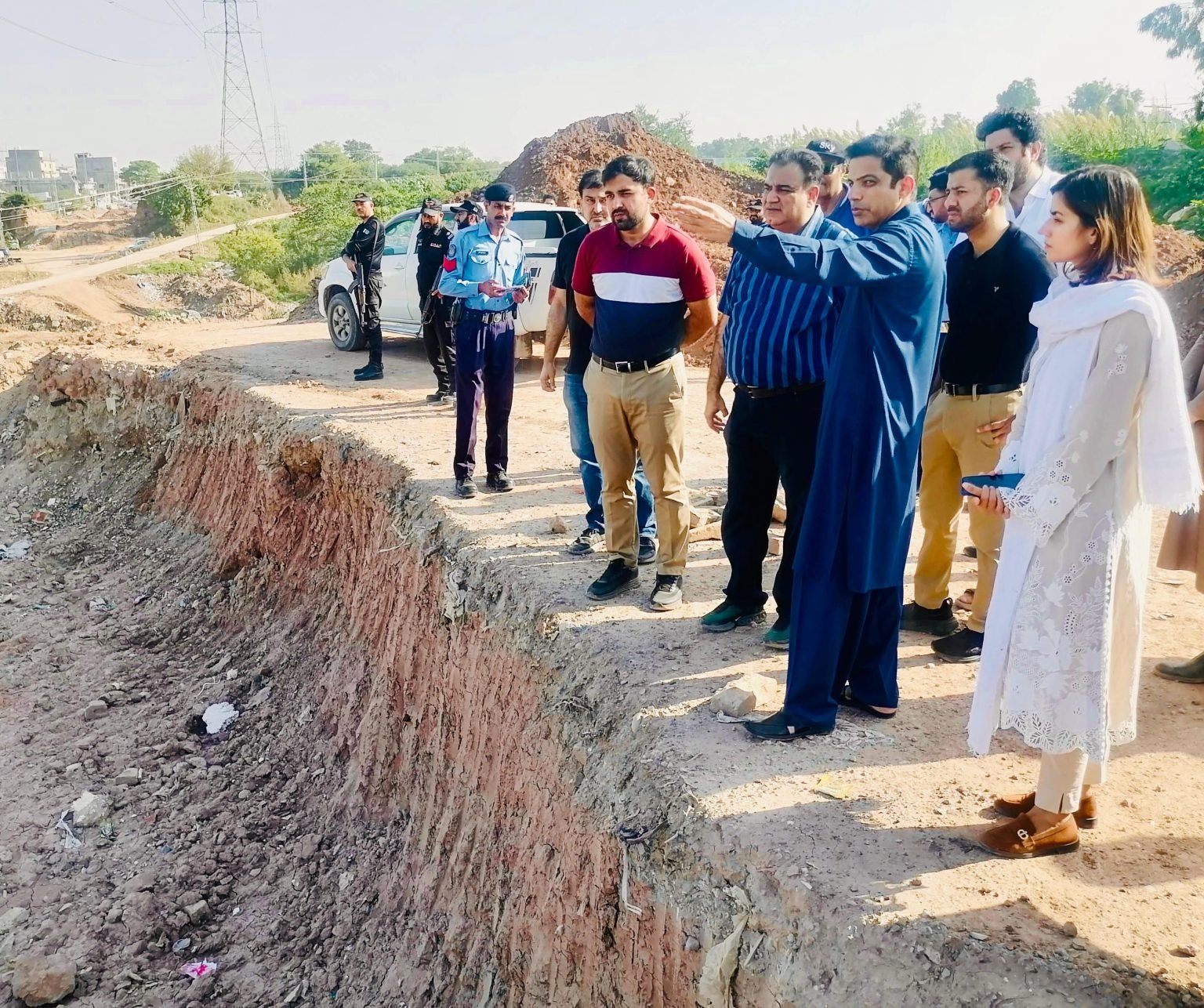
ISLAMABAD: Capital Development Authority (CDA) Chairman Sohail Ashraf has directed officials to accelerate work on the Islamabad Expressway Service Road East project while ensuring strict compliance with approved designs and construction standards.
During an inspection of the project on Saturday, the chairman reviewed progress and was briefed on ongoing works and the next phase of development.
He directed the project director and relevant departments to maintain continuous field monitoring and quality control and ensure effective traffic management to minimise inconvenience to commuters.
The chairman described the Expressway East project as an important infrastructure scheme for improving connectivity, traffic flow and road capacity in the capital. He also stressed that construction quality should not be compromised in efforts to meet the project timeline.
During the visit, he was also briefed on an ongoing enforcement operation against unauthorised and illegal construction along the Islamabad Expressway.
According to the CDA, 377 buildings have been identified for action, including 281 commercial structures. So far, 58 buildings have been sealed, while 124 buildings between Sohan and Khanna bridges have been marked for demolition.
The authority said Rs234.685 million had been recovered through land-use conversion, unauthorised construction and de-sealing charges. Around Rs3 billion remained recoverable under applicable regulations in connection with land-use conversion and violations relating to unauthorised construction, setbacks, floor area ratio and covered area.
The chairman directed the relevant departments to ensure strict enforcement of building-control and land-use regulations, particularly mandatory fire-safety requirements.
The enforcement operation is being conducted by the CDA’s Building Control Section and Enforcement Directorate in coordination with the district administration and Islamabad police.
Latest
GB ministers call on Governor Kundi
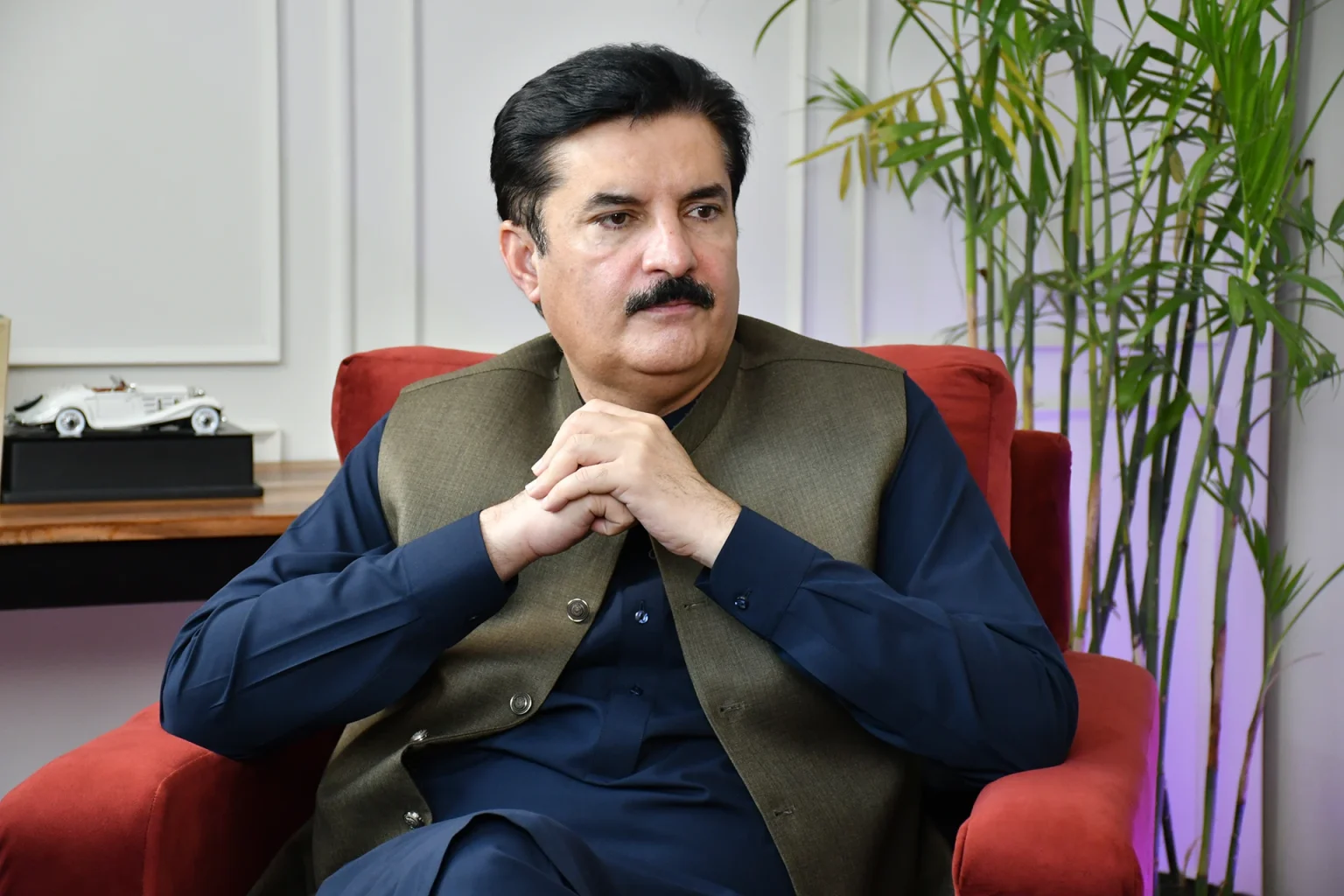
PESHAWAR: Governor Khyber Pakhtunkhwa Faisal Karim Kundi on Saturday held a meeting with a delegation of Gilgit-Baltistan ministers at the Governor’s House here and discussed the country’s political situation and other matters of mutual interest.
The delegation comprised Gilgit-Baltistan Minister for Local Government and Rural Development Zulfiqar Ali Murad, Minister for Health Iqbal Hassan and Minister for Education Aman Ali Ameer.
During the meeting, the two sides exchanged views on the prevailing political situation in the country and various issues of mutual interest. They also discussed the recent elections in Gilgit-Baltistan and the Pakistan Peoples Party’s success in the polls.
The visiting ministers were taken on a tour of the Governor’s House. Governor Kundi presented them with traditional shawls and caps.

Health minister orders probe into Sindh MDCAT complaints
ISLAMABAD:Federal Minister for Health Syed Mustafa Kamal has taken notice of alleged irregularities in the Medical and Dental College Admission...


CDA chairman directs faster work on Expressway East project
ISLAMABAD: Capital Development Authority (CDA) Chairman Sohail Ashraf has directed officials to accelerate work on the Islamabad Expressway Service Road...

GB ministers call on Governor Kundi
PESHAWAR: Governor Khyber Pakhtunkhwa Faisal Karim Kundi on Saturday held a meeting with a delegation of Gilgit-Baltistan ministers at the...

DPM/FM, British HC discuss Pak-UK bilateral ties
ISLAMABAD, Oct 03 (APP):British High Commissioner Jane Marriott, on Saturday, called on Deputy Prime Minister/Foreign Minister Senator Mohammad Ishaq Dar...

Govt, PPP, opposition hold first round of talks at Parliament House
ISLAMABAD: The first round of talks between the government, Pakistan Peoples Party (PPP) and opposition concluded at Parliament House here...

CCC reiterates resolve to maintain internal stability, uphold rule of law
RAWALPINDI: The Corps Commanders’ Conference (CCC) while underscoring the importance of internal stability, on Friday resolved that any attempt to...


IMCG F-6/2 Holds Investiture Ceremony of Newly Elected College Council
ISLAMABAD: The investiture ceremony of the newly elected College Council 2026-27 was held at Islamabad Model College for Girls (IMCG),...

PM orders expansion of Aasaan Khidmat Centers across country
ISLAMABAD: Prime Minister Shehbaz Sharif on Thursday reiterating commitment to providing citizens with fast, transparent, and high-quality services at their...

Armed Forces fully prepared to protect Pakistan’s geographical borders, national security: DG ISPR
RAWALPINDI: Director General (DG) Inter-Services Public Relations (ISPR), Lt Gen Ahmed Sharif Chaudhry, while reiterating that there would be no...

PM reviews progress on Fuel Relief Scheme
ISLAMABAD: Prime Minister Muhammad Shehbaz Sharif Thursday chaired a review meeting regarding the progress of the Prime Minister’s Fuel Relief...
-
 Health6 months ago
Punjab Govt Opens Admissions for Lady Health Visitor Course
-
 Articles12 months ago
A Glimpse At Maj. Gen. Irfan Malik’s 02 Year Tenure
-

 Latest1 year ago
Punjab CM Maryam refuses to apologise, hits out at critics again
-

 Latest10 months ago
Digital Pakistan and the Imperative of Implementing the National AI Policy
-
 Latest5 months ago
Syed Zeeshan Ali Naqvi Elected as President CJP, Raja Gohar Iqbal as Secretary General
-

 Articles10 months ago
Golden Hour: A Dialogue of Light, River and Silence
-

 Latest5 months ago
HEC launches fully online, paperless degree attestation system
-

 Latest5 months ago
OPF Chairman Qamar Raza Naqvi Receives Warm Welcome from Pakistani Community in US