
Health
How Does Art Therapy Improve Mental Health? New Research Identifies Potential Benefits

A new study has explored how art therapy may help improve mental health, identifying five key mechanisms through which it could bring about psychological changes.
Published in the journal Nature Mental Health, the research highlights five interconnected factors that may contribute to the positive effects of art therapy.
According to the study, these include creative self-expression, the process of making art, expressing thoughts and emotions, using symbols and metaphors to communicate feelings, and building connections and relationships with others.
Researchers say art therapy is often confused with general artistic activities and creative hobbies used for relaxation. This confusion makes it difficult to assess its clinical role and evaluate the available evidence of its therapeutic benefits.
The proposed framework aims to distinguish professional art therapy from general arts-based activities. It could also help researchers understand how creative processes influence mental health outcomes.
The study’s authors recommended regularly assessing observable behaviours, emotional states and indicators of interpersonal relationships during art therapy sessions.
According to the researchers, this approach could improve the quality of future studies and encourage greater collaboration between mental health professionals and researchers.
Health
Pakistan Has a Disease Treatment System, Not a Healthcare System, Says Health Minister
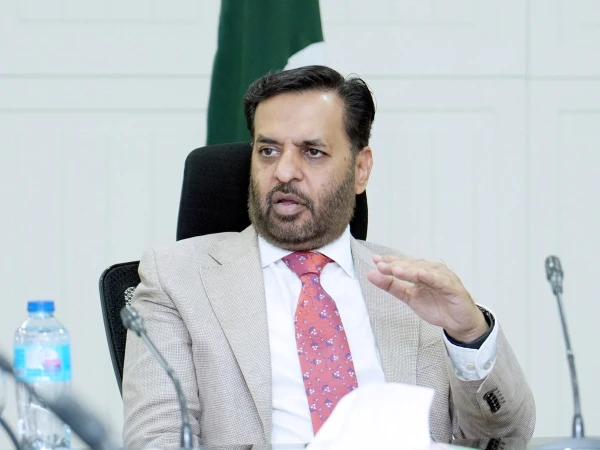
KARACHI: Federal Health Minister Syed Mustafa Kamal has said that Pakistan does not have a proper healthcare system but rather a system focused on treating diseases after people become ill.
Addressing a ceremony at the Baqai Institute of Diabetology and Endocrinology, the federal minister discussed the country’s healthcare challenges and the need to prioritise disease prevention.
He said that providing hospitals with buildings, doctors, medical staff and equipment should not be the sole focus of healthcare. The real objective should be to prevent people from falling ill in the first place.
Mustafa Kamal said that providing treatment facilities in hospitals should be described as “sick care” rather than healthcare. He pointed out that even expensive private hospitals, charging hundreds of thousands of rupees in fees, remain overcrowded, with patients struggling to find beds despite paying high charges.
According to the minister, he regularly receives requests through influential contacts to arrange hospital beds for patients. He questioned how many hospitals the country could build and how many doctors and healthcare workers it could produce, given Pakistan’s limited resources and struggling economy.
He stressed that building more hospitals alone would not solve the problem unless greater attention was given to disease prevention. Prevention, he said, is better than cure, and the healthcare system must focus on keeping people healthy.
Referring to the COVID-19 pandemic, Mustafa Kamal said that healthcare systems in the United States, the United Kingdom, Europe, China, India and Türkiye had come under severe pressure during the outbreak. He warned that although Pakistan is not currently facing a pandemic, hospitals are already struggling with the growing burden of various diseases.
The minister said Pakistan’s population had reached 360 million, with an annual growth rate of 2.5 per cent and a birth rate of 3.6 per cent. He claimed that around seven million children are born in the country every year.
He compared the country’s population growth to the population of New Zealand, saying Pakistan adds an equivalent number of people every year, while its population increases by an amount comparable to Australia’s population over five years. He questioned how many hospitals would be needed to meet the medical needs of such a rapidly growing population.
Mustafa Kamal described healthcare as not merely an administrative matter but an issue of national security, directly linked to the country’s economy. He said the growing burden of disease was another major challenge facing Pakistan and called for healthcare to be included among national security and economic priorities.
Criticising the emphasis on constructing new hospitals, the minister said politicians often focus on inaugurations, cutting ribbons and having their pictures published in newspapers. He stressed that the priority should be improving facilities in existing hospitals rather than simply constructing new buildings.
He said the government’s objective should be to reduce overcrowding in hospitals by preventing diseases before they develop. Pakistan, he added, needs a genuine healthcare system rather than one that builds hospitals and waits for patients to arrive.
The health minister further claimed that around 11,000 mothers die every year during pregnancy and childbirth in Pakistan, while approximately 400,000 children die annually. He said around 1,300 children die every day, many of whom could potentially be saved.
He linked maternal malnutrition to the birth of underweight and vulnerable babies, adding that nutritional deficiencies also affect children’s physical and mental development. According to him, 43 per cent of children in Pakistan suffer from stunted growth.
Mustafa Kamal described child stunting as a major challenge for the country’s future and economy. He urged people to adopt healthier lifestyles and change habits that contribute to the growing burden of disease.
The minister said unhealthy routines, including eating late at night and waking up late in the morning, could negatively affect health. He called for changes in people’s daily routines, eating habits and sleeping patterns.
He emphasised that the human body operates according to natural biological processes and that people need to understand and follow healthy lifestyle practices.
The minister urged medical experts to develop formal guidelines on healthy living within their institutions. He also called for health education to be included in primary school curricula and urged provincial education ministers to introduce lessons on healthy lifestyles at the elementary level.
He said children should be taught healthy habits from an early age, while the government and medical institutions should work together to raise public awareness about disease prevention.
Praising the work of the Baqai Institute of Diabetology and Endocrinology, Mustafa Kamal said the institution was playing an important role in combating diabetes. He stressed that public awareness was essential to prevent diabetes and other diseases.
According to the federal health minister, the number of people living with diabetes in Pakistan has reached 34 million, while nationwide screening has not yet been completed.
He said the Prime Minister’s programme for diabetes and hepatitis C screening had been launched across the country. He added that the number of diabetes patients could potentially reach 100 million once nationwide screening is completed.
Mustafa Kamal warned that diabetes can damage the kidneys, eyes and other body organs. He said educating children about health could also help bring changes in their parents’ habits.
He concluded that disease prevention was not a one-day effort but required continuous public awareness, healthier lifestyles and collective action.
Health
High Blood Sugar in Middle Age May Affect Brain Health, Study Finds

A new study suggests that persistently high blood sugar levels may affect memory and brain function during middle age.
A three-decade-long study has found that people who develop type 2 diabetes may also experience structural changes in the brain.
According to researchers associated with the American Heart Association, the study examined nearly 3,000 individuals who were young and healthy at the beginning of the research but later developed type 2 diabetes.
Type 2 diabetes is a condition in which the body struggles to regulate blood sugar levels properly.
The findings suggest that maintaining healthy blood sugar levels during adolescence and early adulthood, particularly between the ages of 18 and 30, may help protect brain health and preserve memory later in life.
Health
Winter Joint Pain and Stiffness: Effective Ways to Manage the Symptoms
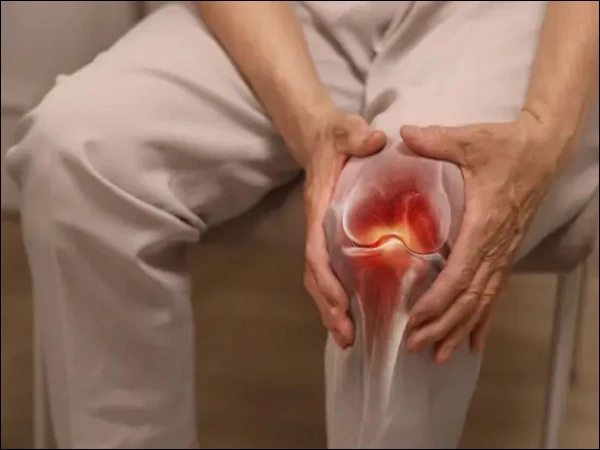
As temperatures drop during winter, complaints of joint pain and stiffness may become more common. People experiencing discomfort, particularly in their knees, fingers and hips, may find it difficult to get out of bed in the morning and carry out their daily activities.
According to medical experts, cold weather does not directly cause joint diseases. However, changes in temperature and air pressure, along with reduced physical activity, can make existing joint pain more noticeable.
Experts say spending more time sitting or staying indoors during winter can restrict joint movement and affect muscle strength. However, a few simple lifestyle changes can help manage discomfort and keep the body active.
Make Light Exercise Part of Your Daily Routine
Getting out of bed to exercise during cold weather can be difficult, but prolonged inactivity may increase joint stiffness. Therefore, maintaining light physical activity every day is important.
Morning stretching, chair yoga and gentle walking can be helpful habits. Gentle exercises such as Tai Chi can also improve balance and help keep joints mobile.
According to the US Centers for Disease Control and Prevention (CDC), staying physically active can help people with arthritis reduce pain and maintain their ability to perform everyday activities.
Keep Your Body Warm and Protected from Cold
Keeping the body sufficiently warm is also important for reducing joint pain and stiffness.
During winter, wear warm socks, gloves and weather-appropriate clothing, particularly if you experience discomfort in your hands, fingers or knees. Wearing several light layers of clothing instead of one thick layer can be more convenient, as they can be adjusted according to changing temperatures.
Warm blankets and maintaining a comfortable indoor temperature can also provide relief. Heat can relax the muscles surrounding the joints and reduce the feeling of stiffness, making it easier to walk, stand and sit.
Wearing appropriate warm clothing may also make people more comfortable going outdoors and getting some sunlight, which helps the body produce vitamin D.
Take Painkillers Only on Medical Advice
People who already suffer from arthritis or other chronic joint conditions should follow their doctor’s instructions rather than starting medication on their own when pain increases during winter.
Doctors may recommend pain-relieving medicines such as ibuprofen, naproxen or acetaminophen for certain patients. In some cases, creams containing diclofenac may also be prescribed.
However, these medicines are not equally safe or suitable for everyone. People with kidney, stomach or heart conditions should particularly consult a healthcare professional before using painkillers.
If pain occurs repeatedly or becomes more severe, it is important to identify its underlying cause rather than simply relying on medication.
Eat a Balanced Diet That May Help Reduce Inflammation
A balanced diet also plays an important role in maintaining joint health.
Fruits, vegetables, whole grains, pulses, nuts, olive oil and fish are among the foods that can support overall health and help regulate inflammation in the body.
The fibre, vitamins, minerals and healthy fats in these foods provide essential nutrients.
Such a balanced diet may be particularly beneficial for people with rheumatoid arthritis. However, it is important to remember that diet alone cannot cure joint diseases and should be considered a supportive measure alongside treatment prescribed by a doctor.
When Should You Consult a Doctor?
Joint pain and stiffness should not always be dismissed as an effect of cold weather.
Medical examination is advisable if the discomfort persists for several days, begins to affect daily activities, or is accompanied by joint swelling and redness.
Similarly, sudden severe pain, a warm and swollen joint, particularly when accompanied by fever, may indicate a serious condition such as an infection. Immediate medical attention is necessary in such cases.
Experts emphasise that staying physically active, wearing appropriate warm clothing, eating a balanced diet and consulting a doctor when necessary are important measures for managing joint discomfort during winter.
These precautions can help people maintain a more comfortable daily routine even during colder months.

Pakistan Has a Disease Treatment System, Not a Healthcare System, Says Health Minister
KARACHI: Federal Health Minister Syed Mustafa Kamal has said that Pakistan does not have a proper healthcare system but rather...


Pakistan’s Muhammad Jawad Wins Gold at World MMA and Pankration Championship
BAKU: Pakistan’s young fighter Muhammad Jawad has brought pride to the country by winning a gold medal in the Under-15...


Millions Face Severe Hunger and Lack of Basic Services in Northern Yemen: Norwegian Refugee Council Chief
SANAA: Millions of people in northern Yemen are facing severe hunger and a shortage of basic necessities, according to Jan...


High Blood Sugar in Middle Age May Affect Brain Health, Study Finds
A new study suggests that persistently high blood sugar levels may affect memory and brain function during middle age. A...


Karachi Building Collapses After Massive Explosion in Mehmoodabad, All Occupants Rescued Safely
KARACHI: A building collapsed following an explosion at a house in Karachi’s Mehmoodabad area. Rescue teams reached the scene and...


Submarine Cable Fault Repaired, Internet Services Restored Across Pakistan: PTA
ISLAMABAD: The Pakistan Telecommunication Authority (PTA) has confirmed that the fault in the SMW-5 submarine cable has been completely repaired...


Rs40 Million Bribery Scandal: SHO, Sub-Inspector Arrested Over Alleged Release of Drug Traffickers in Taxila
TAXILA: A major alleged corruption scandal has surfaced within the police department in Taxila, where two police officers posted at...


Iran Ready for Talks, Will Respond Forcefully If Attacked, Says Iranian Ambassador
ISLAMABAD: Iranian Ambassador to Pakistan Reza Amiri Moghadam has said that Iran is ready to hold negotiations with the United...

US and Iran Exchanging Messages Through Pakistan and Qatar, Says Iranian Ambassador
ISLAMABAD: Iranian Ambassador to Pakistan Reza Amiri Moghadam has said that messages are being exchanged between the United States and...

MQM-Pakistan Decides to Cancel Rally and Public Meeting in Karachi
KARACHI: Muttahida Qaumi Movement-Pakistan (MQM-P) has decided to cancel its rally and public meeting scheduled for tomorrow, November 29, in...
-
 Health7 months ago
Punjab Govt Opens Admissions for Lady Health Visitor Course
-

 Articles1 year ago
A Glimpse At Maj. Gen. Irfan Malik’s 02 Year Tenure
-
 Latest1 year ago
Punjab CM Maryam refuses to apologise, hits out at critics again
-
 Latest1 month ago
FDE holds Annual Awards Ceremony to Honor Intermediate Position Holders
-
 Latest6 months ago
South Air ready to launch regional flight operations, connecting regions of pakistan
-

 Latest12 months ago
Digital Pakistan and the Imperative of Implementing the National AI Policy
-

 Latest7 months ago
OPF Chairman Qamar Raza Naqvi Receives Warm Welcome from Pakistani Community in US
-

 Articles12 months ago
Golden Hour: A Dialogue of Light, River and Silence