
Health
Why Does the Risk of Heart Attack Increase During Winter?
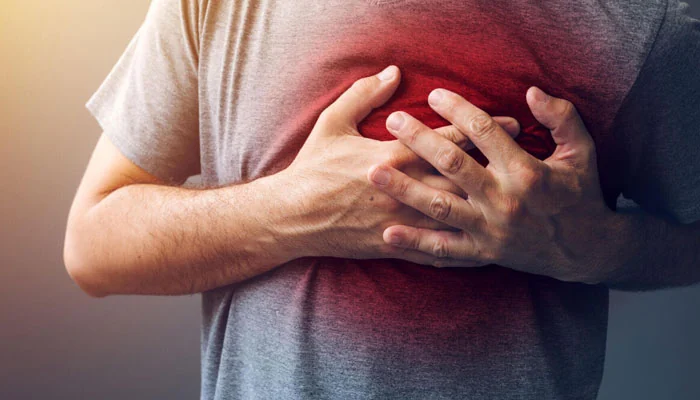
While cold weather is pleasant for many people, it can also pose serious health risks, particularly for those with heart conditions.
Medical experts have warned that falling temperatures can increase the risk of heart attacks by narrowing blood vessels, raising blood pressure and increasing the likelihood of blood clot formation.
According to medical experts, people with high blood pressure, diabetes, high cholesterol and existing heart conditions need to take extra precautions during winter.
Why Does Cold Weather Put Extra Pressure on the Heart?
During cold weather, the body narrows blood vessels near the skin to maintain its temperature. This causes blood pressure to rise, forcing the heart to work harder to pump blood.
Cold weather is also associated with increased platelet activity and thicker blood, which can contribute to blood clot formation. The situation can become more dangerous for people who already have fatty deposits in their coronary arteries.
Reduced physical activity, consumption of fatty and high-salt foods, weight gain and respiratory infections such as flu can also put additional pressure on the heart during winter.
How Much Does the Risk Increase With Every 1°C Drop in Temperature?
A study published in the British Medical Journal examined data from more than 84,000 heart attack patients in England and Wales.
According to the findings, every 1°C drop in temperature was associated with an approximately 2% increase in the risk of a heart attack over the following 28 days.
Important Warning Signs of a Heart Attack
Medical experts say that a heart attack does not always begin with severe chest pain. Sometimes, even mild discomfort can indicate a serious problem.
The following symptoms require immediate medical attention:
- Chest pain or pressure: Persistent tightness, heaviness or pressure in the chest, which may also come and go.
- Pain spreading to other areas: Pain extending from the chest to the arms, shoulders, neck, jaw or back.
- Difficulty breathing: Sudden shortness of breath, sometimes even without chest pain.
- Cold sweats and nausea: Unexplained sweating, nausea, vomiting or dizziness.
- Unusual fatigue: Sudden and severe weakness or tiredness, particularly when accompanied by other symptoms.
Women, older adults and people with diabetes may experience less noticeable chest pain, while shortness of breath, nausea and unusual fatigue may be more prominent symptoms.
Precautionary Measures to Reduce the Risk of Heart Attack
- Wear warm clothes and protect your body from cold temperatures.
- Monitor blood pressure and blood sugar regularly.
- Continue taking medications prescribed by your doctor.
- Maintain regular physical activity without overexerting yourself.
- Limit salt, fatty foods and processed food consumption.
- Avoid smoking and maintain adequate hydration.
- Consult your doctor about flu and other relevant vaccinations.
What Should You Do If Heart Attack Symptoms Appear?
Medical experts advise people not to dismiss chest pain or other heart attack symptoms as acidity or the effects of cold weather.
Seek emergency medical assistance immediately if such symptoms occur. Stop physical activity and avoid driving yourself to the hospital.
During a heart attack, the supply of blood and oxygen to the heart muscle is disrupted. Delayed treatment can cause permanent damage to the heart, while timely medical assistance can improve the chances of recovery.
Experts particularly advise people with diabetes, high blood pressure, high cholesterol or a family history of heart disease to undergo regular heart health check-ups, even if they feel healthy.
Health
Winter Joint Pain and Stiffness: Effective Ways to Manage the Symptoms
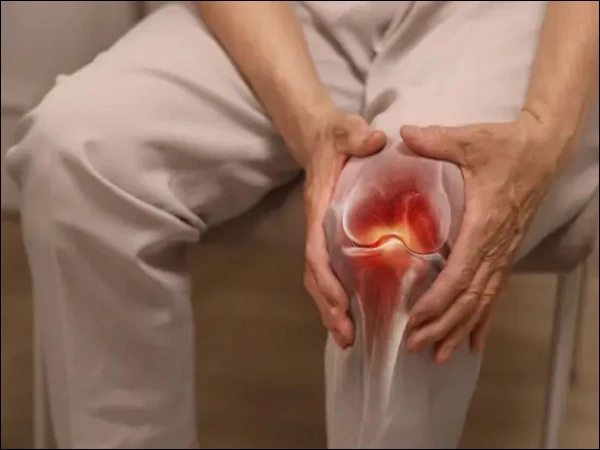
As temperatures drop during winter, complaints of joint pain and stiffness may become more common. People experiencing discomfort, particularly in their knees, fingers and hips, may find it difficult to get out of bed in the morning and carry out their daily activities.
According to medical experts, cold weather does not directly cause joint diseases. However, changes in temperature and air pressure, along with reduced physical activity, can make existing joint pain more noticeable.
Experts say spending more time sitting or staying indoors during winter can restrict joint movement and affect muscle strength. However, a few simple lifestyle changes can help manage discomfort and keep the body active.
Make Light Exercise Part of Your Daily Routine
Getting out of bed to exercise during cold weather can be difficult, but prolonged inactivity may increase joint stiffness. Therefore, maintaining light physical activity every day is important.
Morning stretching, chair yoga and gentle walking can be helpful habits. Gentle exercises such as Tai Chi can also improve balance and help keep joints mobile.
According to the US Centers for Disease Control and Prevention (CDC), staying physically active can help people with arthritis reduce pain and maintain their ability to perform everyday activities.
Keep Your Body Warm and Protected from Cold
Keeping the body sufficiently warm is also important for reducing joint pain and stiffness.
During winter, wear warm socks, gloves and weather-appropriate clothing, particularly if you experience discomfort in your hands, fingers or knees. Wearing several light layers of clothing instead of one thick layer can be more convenient, as they can be adjusted according to changing temperatures.
Warm blankets and maintaining a comfortable indoor temperature can also provide relief. Heat can relax the muscles surrounding the joints and reduce the feeling of stiffness, making it easier to walk, stand and sit.
Wearing appropriate warm clothing may also make people more comfortable going outdoors and getting some sunlight, which helps the body produce vitamin D.
Take Painkillers Only on Medical Advice
People who already suffer from arthritis or other chronic joint conditions should follow their doctor’s instructions rather than starting medication on their own when pain increases during winter.
Doctors may recommend pain-relieving medicines such as ibuprofen, naproxen or acetaminophen for certain patients. In some cases, creams containing diclofenac may also be prescribed.
However, these medicines are not equally safe or suitable for everyone. People with kidney, stomach or heart conditions should particularly consult a healthcare professional before using painkillers.
If pain occurs repeatedly or becomes more severe, it is important to identify its underlying cause rather than simply relying on medication.
Eat a Balanced Diet That May Help Reduce Inflammation
A balanced diet also plays an important role in maintaining joint health.
Fruits, vegetables, whole grains, pulses, nuts, olive oil and fish are among the foods that can support overall health and help regulate inflammation in the body.
The fibre, vitamins, minerals and healthy fats in these foods provide essential nutrients.
Such a balanced diet may be particularly beneficial for people with rheumatoid arthritis. However, it is important to remember that diet alone cannot cure joint diseases and should be considered a supportive measure alongside treatment prescribed by a doctor.
When Should You Consult a Doctor?
Joint pain and stiffness should not always be dismissed as an effect of cold weather.
Medical examination is advisable if the discomfort persists for several days, begins to affect daily activities, or is accompanied by joint swelling and redness.
Similarly, sudden severe pain, a warm and swollen joint, particularly when accompanied by fever, may indicate a serious condition such as an infection. Immediate medical attention is necessary in such cases.
Experts emphasise that staying physically active, wearing appropriate warm clothing, eating a balanced diet and consulting a doctor when necessary are important measures for managing joint discomfort during winter.
These precautions can help people maintain a more comfortable daily routine even during colder months.
Health
How Does Art Therapy Improve Mental Health? New Research Identifies Potential Benefits

A new study has explored how art therapy may help improve mental health, identifying five key mechanisms through which it could bring about psychological changes.
Published in the journal Nature Mental Health, the research highlights five interconnected factors that may contribute to the positive effects of art therapy.
According to the study, these include creative self-expression, the process of making art, expressing thoughts and emotions, using symbols and metaphors to communicate feelings, and building connections and relationships with others.
Researchers say art therapy is often confused with general artistic activities and creative hobbies used for relaxation. This confusion makes it difficult to assess its clinical role and evaluate the available evidence of its therapeutic benefits.
The proposed framework aims to distinguish professional art therapy from general arts-based activities. It could also help researchers understand how creative processes influence mental health outcomes.
The study’s authors recommended regularly assessing observable behaviours, emotional states and indicators of interpersonal relationships during art therapy sessions.
According to the researchers, this approach could improve the quality of future studies and encourage greater collaboration between mental health professionals and researchers.
Health
Watching TV for Hours May Increase Risk of Kidney Disease, Study Finds

People who spend long hours sitting in front of television may face a higher risk of developing kidney disease, according to a new study. Researchers also suggested that prolonged TV viewing may increase the risk of type 2 diabetes.
According to researchers, spending excessive time watching television every day is associated with a faster decline in kidney function over a period of more than a decade.
Uncontrolled diabetes and high blood pressure are among the most common causes of declining kidney function. However, the risk of kidney disease also increases significantly with age. Although kidney disease can be treated, it may become irreversible in its advanced stages.
Researchers from Australia’s Swinburne University of Technology and the UK’s University of Leicester and University of Cambridge have identified physical inactivity and prolonged sitting as additional risk factors for kidney disease.
The researchers examined the relationship between television viewing habits and declining kidney function among more than 6,200 Australians aged over 25.
During the 12-year study, participants’ kidney function was monitored. They were also asked how much time they spent watching television, videos or DVDs on typical weekdays and weekends.
Over the 12-year period, the participants’ average daily television viewing time increased from one hour and 46 minutes to one hour and 55 minutes.
The study found that people who watched television for the longest periods experienced a faster average decline in kidney function. The greatest decline was observed among individuals who both watched television for extended periods and had type 2 diabetes.
According to the findings, every additional hour of daily television viewing was associated with a 2 to 3 per cent faster annual decline in kidney function over a five-year period. People who watched television for four or more hours daily were found to have the highest risk of kidney disease.
The researchers said they hoped the findings would strengthen evidence about the harmful effects of prolonged sitting on kidney health, particularly among people with type 2 diabetes or those who are physically inactive.
They added that the study highlights the importance of following recommended physical activity guidelines.

Winter Joint Pain and Stiffness: Effective Ways to Manage the Symptoms
As temperatures drop during winter, complaints of joint pain and stiffness may become more common. People experiencing discomfort, particularly in...


Pakistan Announces New Petrol and Diesel Prices for Next Three Days
ISLAMABAD : The government has announced petroleum prices for the next three days and issued an official notification. According to...


Referendum May Be Presented in Joint Parliament Session, Says Barrister Aqeel Malik
ISLAMABAD: Minister of State for Law and Justice Barrister Aqeel Malik has said that the matter of holding a referendum...


Why Has the UK Asked 100,000 Retired Military Personnel to Be Ready for Possible War?
LONDON: The UK Ministry of Defence has written to around 100,000 retired personnel from the British Army, Royal Navy and...


Elon Musk Announces Two SpaceX Shares for Every Child in the US
WASHINGTON: The world’s richest person and founder of technology company SpaceX, Elon Musk, has announced that he will give every...


Why Does the Risk of Heart Attack Increase During Winter?
While cold weather is pleasant for many people, it can also pose serious health risks, particularly for those with heart...


Maulana Fazlur Rehman Today, PML-N and PPP Tomorrow, Says Ali Amin Gandapur
ISLAMABAD: Former Khyber Pakhtunkhwa Chief Minister Ali Amin Gandapur has said that what is happening to Maulana Fazlur Rehman today...


PTI Chairman Contacts Maulana Fazlur Rehman by Phone, Discusses Current Situation
ISLAMABAD: PTI Chairman Barrister Gohar Ali Khan held a telephone conversation with Maulana Fazlur Rehman to discuss the prevailing situation....


Jamaat-e-Islami Postpones November 29 Rally at Minar-e-Pakistan
LAHORE: Jamaat-e-Islami has postponed its public gathering scheduled to be held in Lahore on November 29 by one week. According...


Six Police Officers Injured in Exchange of Fire During Search Operation in Khyber
KHYBER: Six police officers were injured in an exchange of fire with suspected militants during a search operation in the...
-

 Health7 months ago
Punjab Govt Opens Admissions for Lady Health Visitor Course
-

 Articles1 year ago
A Glimpse At Maj. Gen. Irfan Malik’s 02 Year Tenure
-

 Latest1 year ago
Punjab CM Maryam refuses to apologise, hits out at critics again
-

 Latest4 weeks ago
FDE holds Annual Awards Ceremony to Honor Intermediate Position Holders
-

 Latest12 months ago
Digital Pakistan and the Imperative of Implementing the National AI Policy
-

 Latest6 months ago
South Air ready to launch regional flight operations, connecting regions of pakistan
-

 Latest7 months ago
OPF Chairman Qamar Raza Naqvi Receives Warm Welcome from Pakistani Community in US
-

 Articles12 months ago
Golden Hour: A Dialogue of Light, River and Silence