
Latest
President Zardari urges dialogue, development & water security to stabilize Balochistan
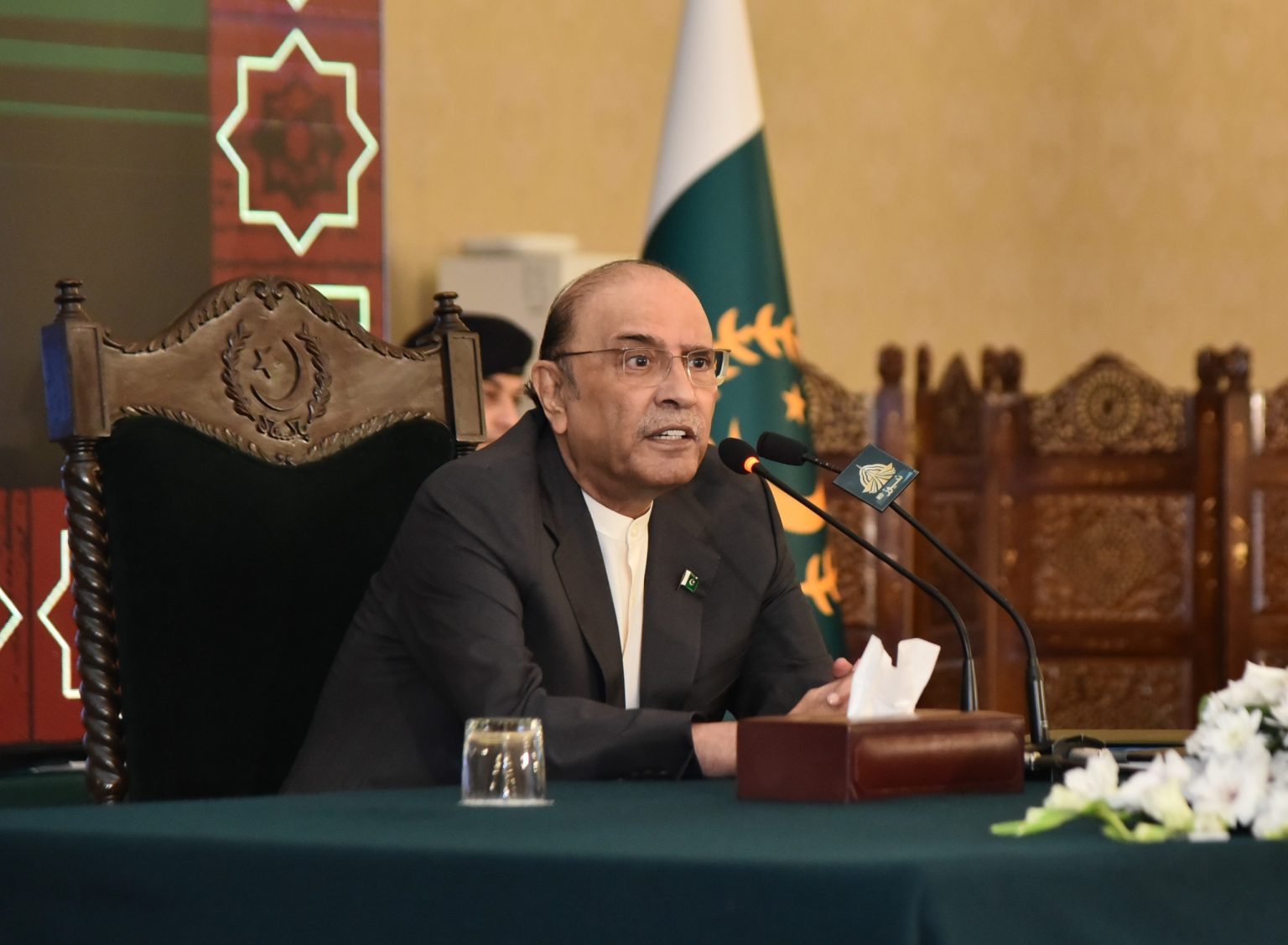
ISLAMABAD: President Asif Ali Zardari on Tuesday stressed the need for dialogue, improved governance, enhanced connectivity and water management to address challenges in Balochistan, and underlined that Pakistan could not progress without the province’s stability and development.
Speaking during an interaction with participants of the National Workshop Balochistan-19 here at the Presidency, the president said creating an atmosphere of “workability” in the province was essential so that people would not feel
compelled to migrate elsewhere in search of opportunities.
He noted that Balochistan was rich in mineral resources but required sustained long-term development initiatives rather than short-term measures, adding that connectivity had improved after the 18th Constitutional Amendment through the construction of several bridges over the Indus River linking Balochistan with other parts of the country.
The president, amid highlighting water as a critical issue, said canal lining projects were being undertaken to minimize seepage losses, stressing that water conservation was vital for agriculture as well as mining activities in the province.
He termed water security one of his top priorities and said efforts were under way to explore regional options, including water cooperation initiatives with Tajikistan, to support irrigation needs in Balochistan.
Referring to Gwadar Port, President Zardari said his vision was to ensure that dividends from the port’s development were shared with local tribes and communities, particularly those living along road corridors leading to Gwadar. He added that the port had the potential to become a major economic hub if stakeholders worked together to create a conducive investment environment.
The president underscored the importance of unity and internal reflection to address the province’s challenges, emphasizing that dialogue and democratic engagement remained the only viable path forward. “War is no solution to crises,” he said, urging all stakeholders to resolve differences through consultation and cooperation.
He said the people of Balochistan should benefit fully from the opportunities created under the China–Pakistan Economic Corridor (CPEC), describing it as a future trade route connecting the province to regional and global markets.
The president stressed that sustainable peace in Balochistan required improved resource utilization, investment-friendly conditions and greater focus on youth development, agriculture modernization and support for small landowners through targeted subsidies and specialized farming equipment.
The president also called for responsible handling of security challenges. He said attacks on foreign nationals, particularly Chinese teachers and workers, were regrettable and harmful to Pakistan’s interests. He also reiterated the need to counter insurgency through national cohesion and constructive engagement.
President Zardari said Pakistan remained committed to strengthening ties with regional partners and highlighted the importance of ports in Balochistan and Sindh for national economic growth, noting that other provinces would also benefit from access to maritime trade routes.
He reaffirmed that Pakistan’s unity and progress were closely linked with the stability of Balochistan, adding that the government would continue to provide resources and support for the province’s development and integration into the national mainstream.
The session was attended by former prime minister Raja Pervaiz Ashraf, parliamentarian Sardar Yar Muhammad Rind and Member of the National Assembly Khalid Magsi, while the proceedings of the workshop were coordinated by Brigadier Bilal Ghafoor, Commander Signals 12 Corps.
Latest
Health minister orders probe into Sindh MDCAT complaints
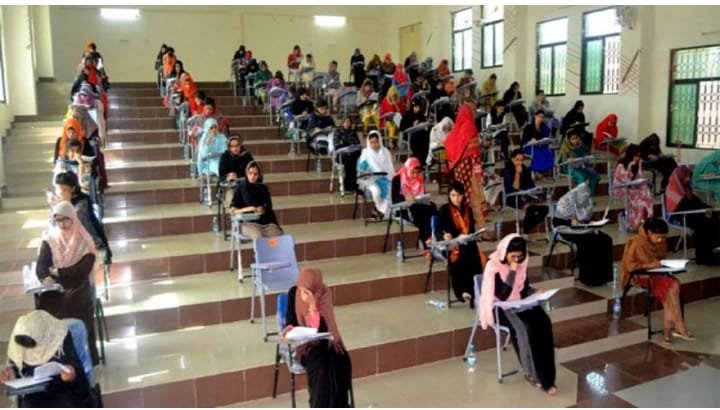
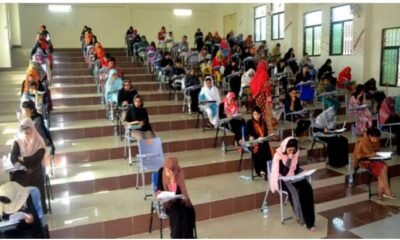
ISLAMABAD:Federal Minister for Health Syed Mustafa Kamal has taken notice of alleged irregularities in the Medical and Dental College Admission Test (MDCAT) held in Sindh and ordered a comprehensive inquiry into the complaints.
According to official sources, the minister directed a five-member committee, including the President of the Pakistan Medical and Dental Council (PMDC), to conduct a transparent investigation and submit its report within 15 days.
The committee has been tasked with examining the complaints and reviewing the circumstances surrounding the alleged irregularities during the examination, sources said.
The minister directed the committee to complete the inquiry within the stipulated timeframe and present its findings for further action in accordance with the applicable rules.
Latest
CDA chairman directs faster work on Expressway East project
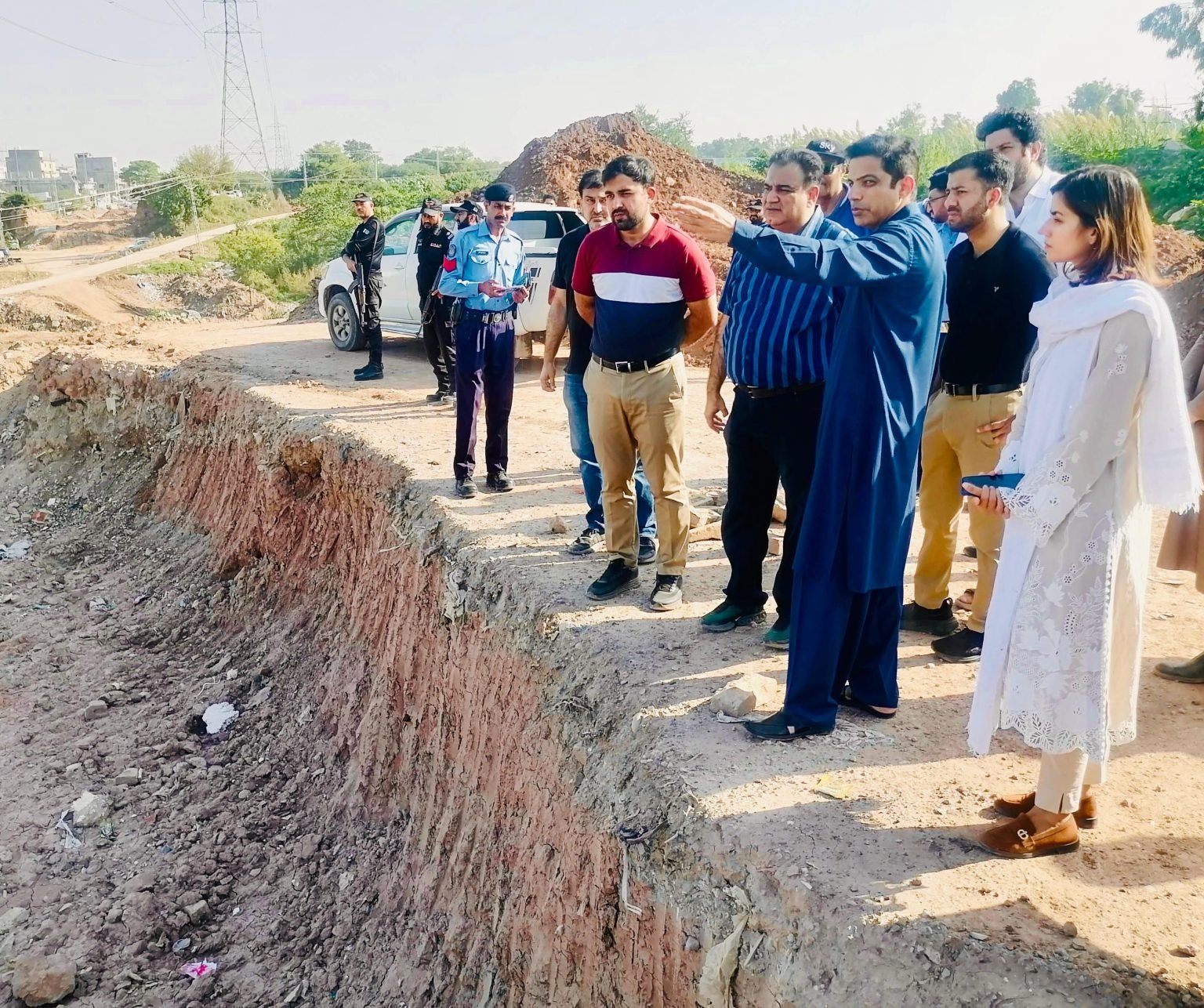
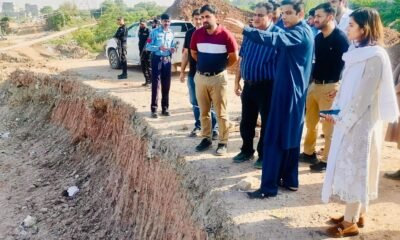
ISLAMABAD: Capital Development Authority (CDA) Chairman Sohail Ashraf has directed officials to accelerate work on the Islamabad Expressway Service Road East project while ensuring strict compliance with approved designs and construction standards.
During an inspection of the project on Saturday, the chairman reviewed progress and was briefed on ongoing works and the next phase of development.
He directed the project director and relevant departments to maintain continuous field monitoring and quality control and ensure effective traffic management to minimise inconvenience to commuters.
The chairman described the Expressway East project as an important infrastructure scheme for improving connectivity, traffic flow and road capacity in the capital. He also stressed that construction quality should not be compromised in efforts to meet the project timeline.
During the visit, he was also briefed on an ongoing enforcement operation against unauthorised and illegal construction along the Islamabad Expressway.
According to the CDA, 377 buildings have been identified for action, including 281 commercial structures. So far, 58 buildings have been sealed, while 124 buildings between Sohan and Khanna bridges have been marked for demolition.
The authority said Rs234.685 million had been recovered through land-use conversion, unauthorised construction and de-sealing charges. Around Rs3 billion remained recoverable under applicable regulations in connection with land-use conversion and violations relating to unauthorised construction, setbacks, floor area ratio and covered area.
The chairman directed the relevant departments to ensure strict enforcement of building-control and land-use regulations, particularly mandatory fire-safety requirements.
The enforcement operation is being conducted by the CDA’s Building Control Section and Enforcement Directorate in coordination with the district administration and Islamabad police.
Latest
GB ministers call on Governor Kundi
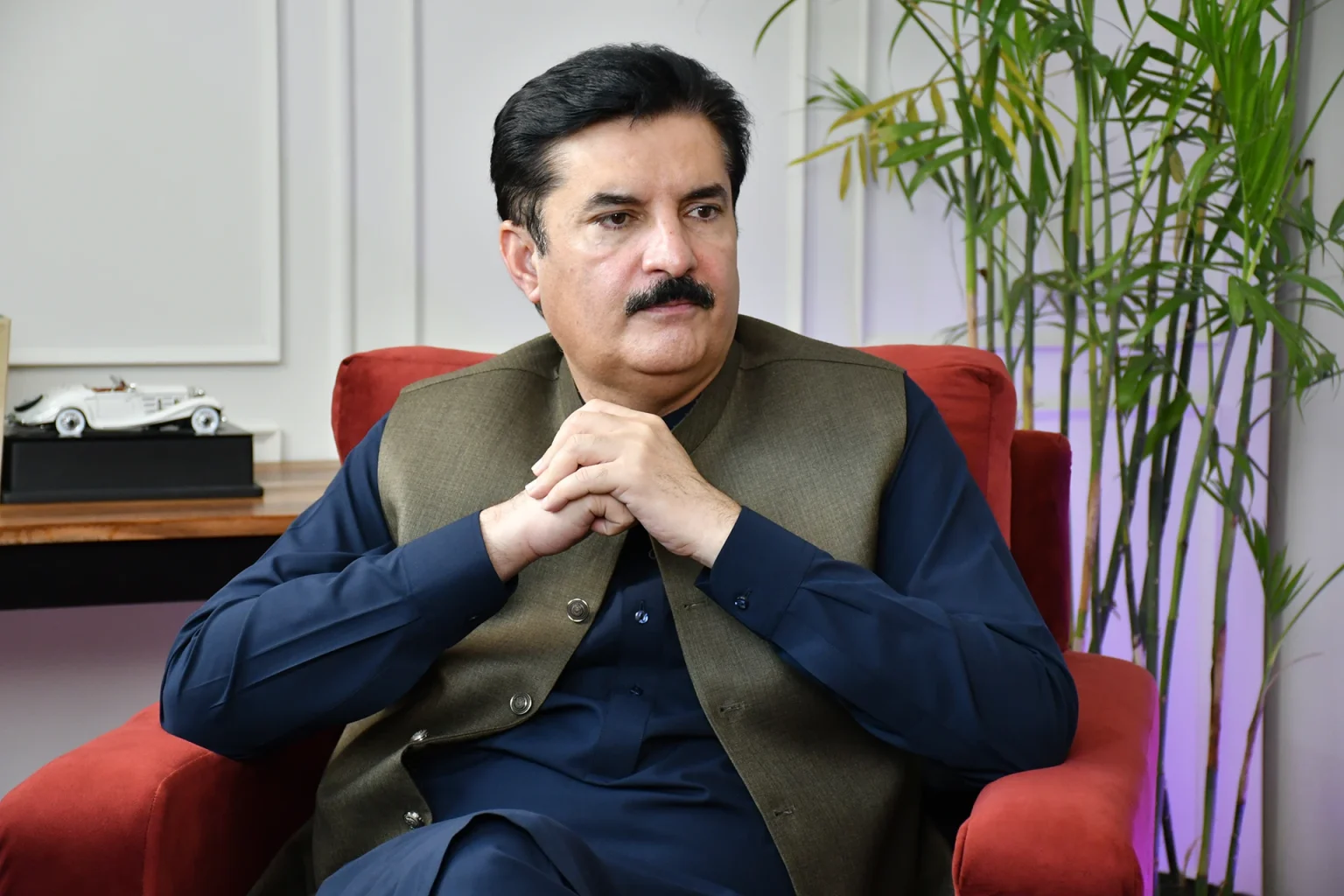
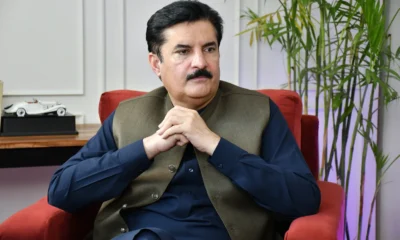
PESHAWAR: Governor Khyber Pakhtunkhwa Faisal Karim Kundi on Saturday held a meeting with a delegation of Gilgit-Baltistan ministers at the Governor’s House here and discussed the country’s political situation and other matters of mutual interest.
The delegation comprised Gilgit-Baltistan Minister for Local Government and Rural Development Zulfiqar Ali Murad, Minister for Health Iqbal Hassan and Minister for Education Aman Ali Ameer.
During the meeting, the two sides exchanged views on the prevailing political situation in the country and various issues of mutual interest. They also discussed the recent elections in Gilgit-Baltistan and the Pakistan Peoples Party’s success in the polls.
The visiting ministers were taken on a tour of the Governor’s House. Governor Kundi presented them with traditional shawls and caps.

Health minister orders probe into Sindh MDCAT complaints
ISLAMABAD:Federal Minister for Health Syed Mustafa Kamal has taken notice of alleged irregularities in the Medical and Dental College Admission...

CDA chairman directs faster work on Expressway East project
ISLAMABAD: Capital Development Authority (CDA) Chairman Sohail Ashraf has directed officials to accelerate work on the Islamabad Expressway Service Road...

GB ministers call on Governor Kundi
PESHAWAR: Governor Khyber Pakhtunkhwa Faisal Karim Kundi on Saturday held a meeting with a delegation of Gilgit-Baltistan ministers at the...

DPM/FM, British HC discuss Pak-UK bilateral ties
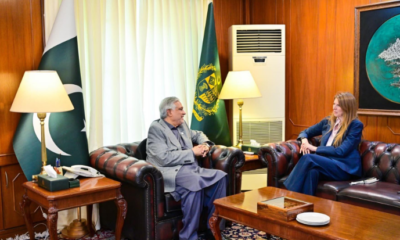
ISLAMABAD, Oct 03 (APP):British High Commissioner Jane Marriott, on Saturday, called on Deputy Prime Minister/Foreign Minister Senator Mohammad Ishaq Dar...

Govt, PPP, opposition hold first round of talks at Parliament House
ISLAMABAD: The first round of talks between the government, Pakistan Peoples Party (PPP) and opposition concluded at Parliament House here...

CCC reiterates resolve to maintain internal stability, uphold rule of law
RAWALPINDI: The Corps Commanders’ Conference (CCC) while underscoring the importance of internal stability, on Friday resolved that any attempt to...

IMCG F-6/2 Holds Investiture Ceremony of Newly Elected College Council
ISLAMABAD: The investiture ceremony of the newly elected College Council 2026-27 was held at Islamabad Model College for Girls (IMCG),...

PM orders expansion of Aasaan Khidmat Centers across country
ISLAMABAD: Prime Minister Shehbaz Sharif on Thursday reiterating commitment to providing citizens with fast, transparent, and high-quality services at their...

Armed Forces fully prepared to protect Pakistan’s geographical borders, national security: DG ISPR
RAWALPINDI: Director General (DG) Inter-Services Public Relations (ISPR), Lt Gen Ahmed Sharif Chaudhry, while reiterating that there would be no...

PM reviews progress on Fuel Relief Scheme
ISLAMABAD: Prime Minister Muhammad Shehbaz Sharif Thursday chaired a review meeting regarding the progress of the Prime Minister’s Fuel Relief...
-
 Health6 months ago
Punjab Govt Opens Admissions for Lady Health Visitor Course
-
 Articles12 months ago
A Glimpse At Maj. Gen. Irfan Malik’s 02 Year Tenure
-

 Latest1 year ago
Punjab CM Maryam refuses to apologise, hits out at critics again
-

 Latest10 months ago
Digital Pakistan and the Imperative of Implementing the National AI Policy
-
 Latest5 months ago
Syed Zeeshan Ali Naqvi Elected as President CJP, Raja Gohar Iqbal as Secretary General
-

 Articles10 months ago
Golden Hour: A Dialogue of Light, River and Silence
-
 Latest5 months ago
HEC launches fully online, paperless degree attestation system
-
 Latest5 months ago
OPF Chairman Qamar Raza Naqvi Receives Warm Welcome from Pakistani Community in US